Microplastics leak invisible chemical clouds into water: Study
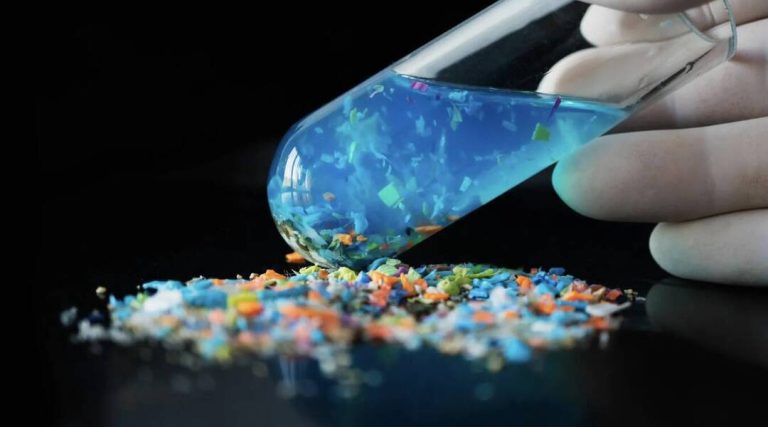
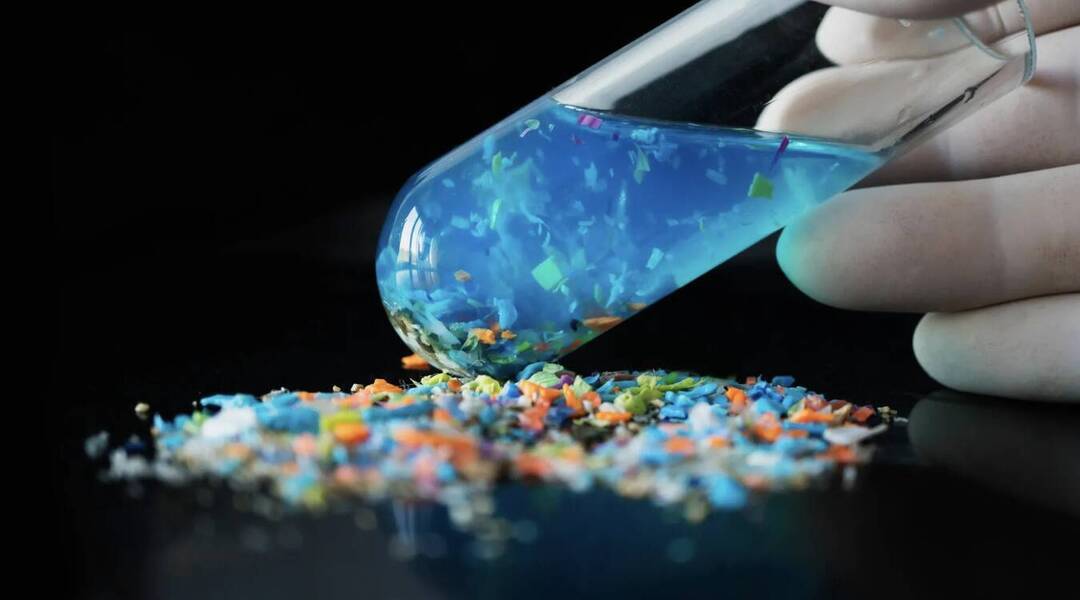
The world’s oceans, rivers, and lakes are facing a growing threat from microplastics, which are tiny plastic particles that are less than 5 millimeters in size. These microplastics have been shown to harm the environment and wildlife, and now a new study has revealed that they also release invisible clouds of chemicals into the water. The study, which examined four common types of plastic, found that each type releases its own unique mixture of chemicals, with plastics labeled as biodegradable releasing the most.
The study, which was conducted by a team of researchers, found that when microplastics are exposed to sunlight, they release dissolved organic matter (DOM) into the water. This DOM is made up of a unique mixture of chemicals that are specific to each type of plastic. The researchers found that the DOM released by microplastics is more biologically active than natural organic matter, which means that it can have a greater impact on the environment and wildlife.
The researchers examined four common types of plastic, including polyethylene, polypropylene, polyvinyl chloride, and polylactic acid (PLA). PLA is often labeled as biodegradable, but the study found that it releases the most DOM when exposed to sunlight. This is concerning, as PLA is often used in products that are designed to be environmentally friendly.
The study’s findings have significant implications for the environment and wildlife. The release of DOM from microplastics can alter the chemistry of the water, which can have a range of effects on aquatic ecosystems. For example, the DOM can react with other chemicals in the water to form new compounds that can be toxic to wildlife. The DOM can also affect the way that nutrients are cycled through the ecosystem, which can impact the growth and survival of plants and animals.
The study’s findings also highlight the need for more research into the impacts of microplastics on the environment. While the study provides new insights into the release of DOM from microplastics, there is still much to be learned about the effects of microplastics on aquatic ecosystems. For example, more research is needed to understand how the DOM released by microplastics interacts with other chemicals in the water, and how it affects the growth and survival of different species.
The study’s findings also have implications for policymakers and regulators. The use of microplastics is widespread, and they can be found in a range of products, from cosmetics and clothing to packaging and plastics. The study’s findings suggest that the use of biodegradable plastics, such as PLA, may not be as environmentally friendly as previously thought. This highlights the need for more stringent regulations on the use of microplastics, and for the development of new technologies that can reduce the amount of microplastics that enter the environment.
In conclusion, the study’s findings provide new insights into the impacts of microplastics on the environment. The release of DOM from microplastics is a significant concern, as it can alter the chemistry of the water and have a range of effects on aquatic ecosystems. The study’s findings highlight the need for more research into the impacts of microplastics, and for more stringent regulations on their use. By working together, we can reduce the amount of microplastics that enter the environment, and protect the health of our oceans, rivers, and lakes.
The study’s findings are a wake-up call for all of us, and highlight the need for action to reduce the amount of microplastics that enter the environment. We can all play a role in reducing the amount of microplastics that we use, by choosing products that are free from microplastics, and by supporting companies that are working to reduce their use of microplastics. We can also support policymakers and regulators who are working to develop new regulations on the use of microplastics.
Overall, the study’s findings are a significant contribution to our understanding of the impacts of microplastics on the environment. They highlight the need for more research, and for more stringent regulations on the use of microplastics. By working together, we can reduce the amount of microplastics that enter the environment, and protect the health of our oceans, rivers, and lakes.
For more information on this study, please visit: https://www.sciencedaily.com/releases/2025/12/251224032408.htm
News source: https://www.sciencedaily.com/releases/2025/12/251224032408.htm
About the Author