Microplastics leak invisible chemical clouds into water: Study
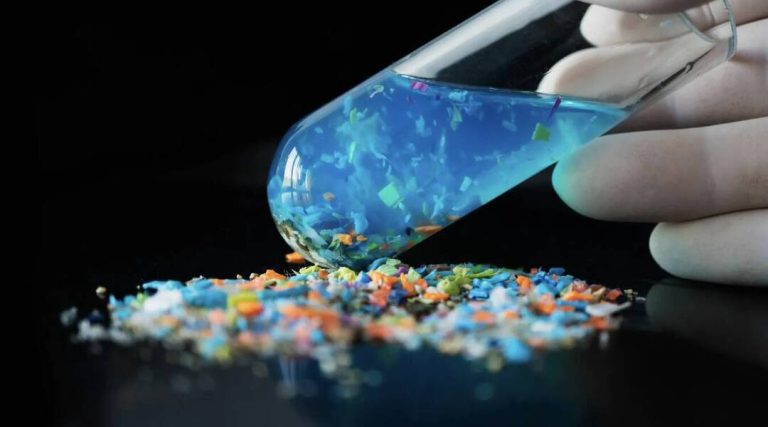
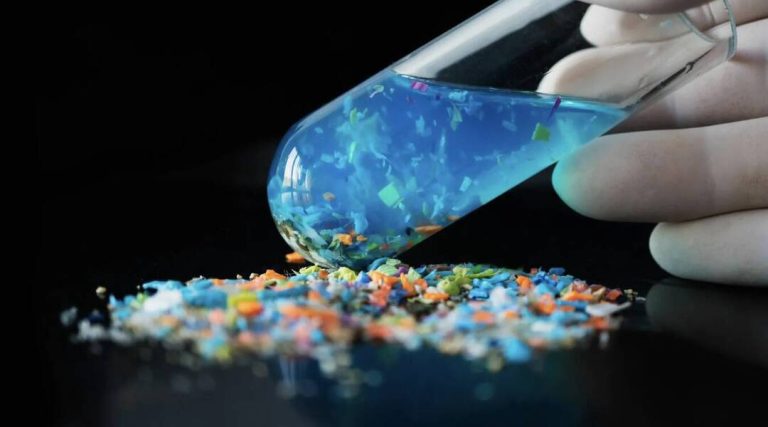
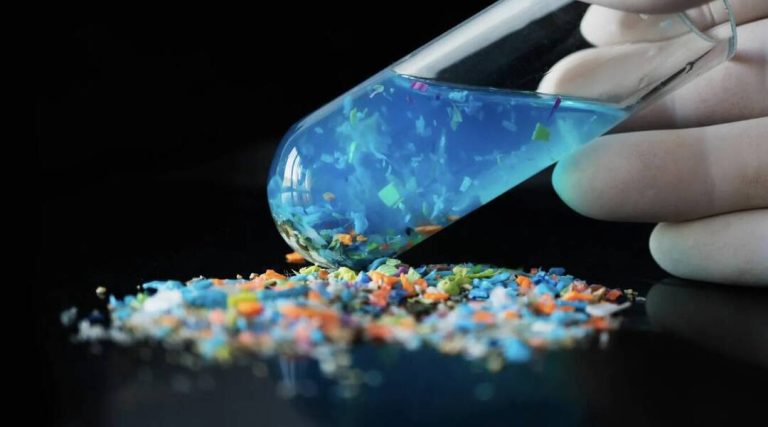
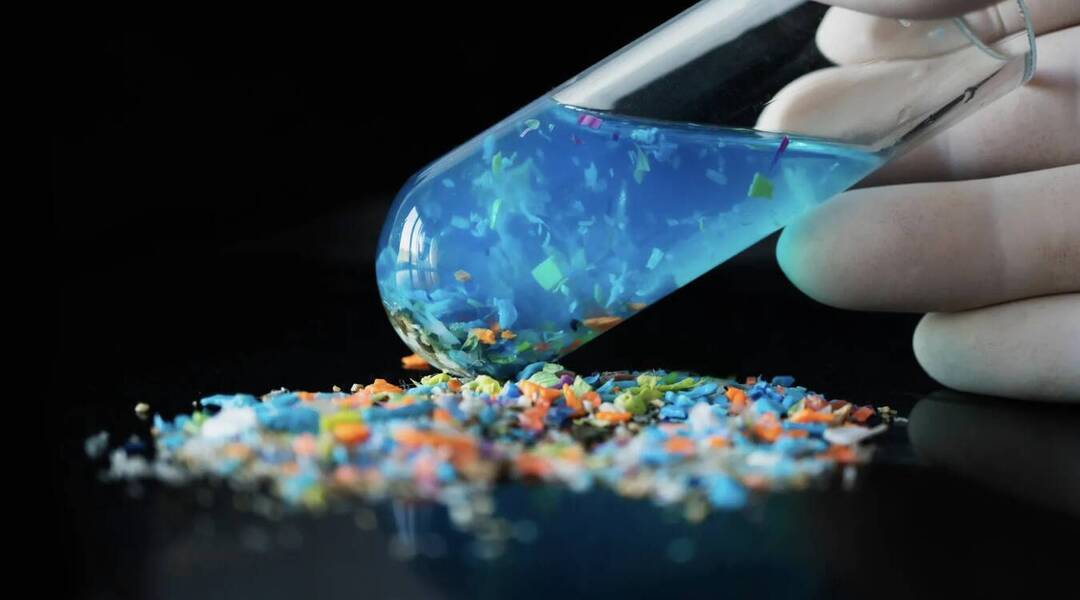
The world’s water bodies, including rivers, lakes, and oceans, are facing a growing threat from microplastics. These tiny plastic particles, which are less than 5 millimeters in size, have been found to be ubiquitous in aquatic environments, with devastating consequences for the health of our planet. A recent study has shed new light on the impact of microplastics on water quality, revealing that they release invisible clouds of chemicals into the water, driven by sunlight. This groundbreaking research has significant implications for our understanding of the effects of microplastics on aquatic ecosystems and human health.
The study, which examined four common plastic types, found that each releases its own unique chemical mixture when exposed to sunlight. This process, known as photodegradation, occurs when the plastic particles absorb sunlight, causing them to break down and release a cocktail of chemicals into the surrounding water. The researchers were surprised to discover that plastics labelled as biodegradable released the most chemicals, highlighting the need for a reevaluation of the environmental impact of these supposedly eco-friendly plastics.
One of the key findings of the study was that the dissolved organic matter (DOM) released by microplastics is more biologically active than natural organic matter. This means that the chemicals released by microplastics have a greater potential to interact with and affect aquatic organisms, including plants, animals, and microorganisms. The implications of this discovery are far-reaching, as it suggests that microplastics may be playing a significant role in altering the delicate balance of aquatic ecosystems.
The researchers used a combination of laboratory experiments and field measurements to investigate the release of chemicals from microplastics. They exposed the plastic particles to different levels of sunlight and measured the resulting chemical releases. The team also collected water samples from various aquatic environments and analyzed the chemical composition of the DOM present in the samples.
The results of the study showed that the chemical clouds released by microplastics are complex and varied, consisting of a wide range of organic compounds, including aldehydes, ketones, and carboxylic acids. These chemicals can have a range of effects on aquatic organisms, from altering their growth and development to disrupting their reproductive cycles. The study also found that the chemical releases from microplastics can persist in the water for extended periods, potentially leading to long-term changes in the aquatic ecosystem.
The discovery that microplastics release invisible clouds of chemicals into water has significant implications for human health. Microplastics have been found in drinking water sources around the world, and the chemicals they release could potentially be ingested by humans, either directly or through the consumption of contaminated seafood. The study highlights the need for further research into the human health impacts of microplastics and the chemicals they release.
The study’s findings also have important implications for the management of aquatic ecosystems. The release of chemicals from microplastics could be contributing to the decline of aquatic species and the degradation of water quality. The researchers suggest that reducing the amount of microplastics in aquatic environments could be an effective way to mitigate these impacts and protect the health of our planet.
In conclusion, the study provides new insights into the impact of microplastics on aquatic ecosystems and human health. The release of invisible chemical clouds from microplastics, driven by sunlight, is a previously unknown mechanism by which these tiny plastic particles can affect the environment. The study’s findings highlight the need for further research into the effects of microplastics and the development of effective strategies to reduce their presence in aquatic environments.
As the world grapples with the challenges posed by microplastics, it is essential that we continue to support scientific research into this critical issue. By improving our understanding of the impacts of microplastics, we can develop effective solutions to mitigate their effects and protect the health of our planet.
News Source: https://www.sciencedaily.com/releases/2025/12/251224032408.htm
About the Author