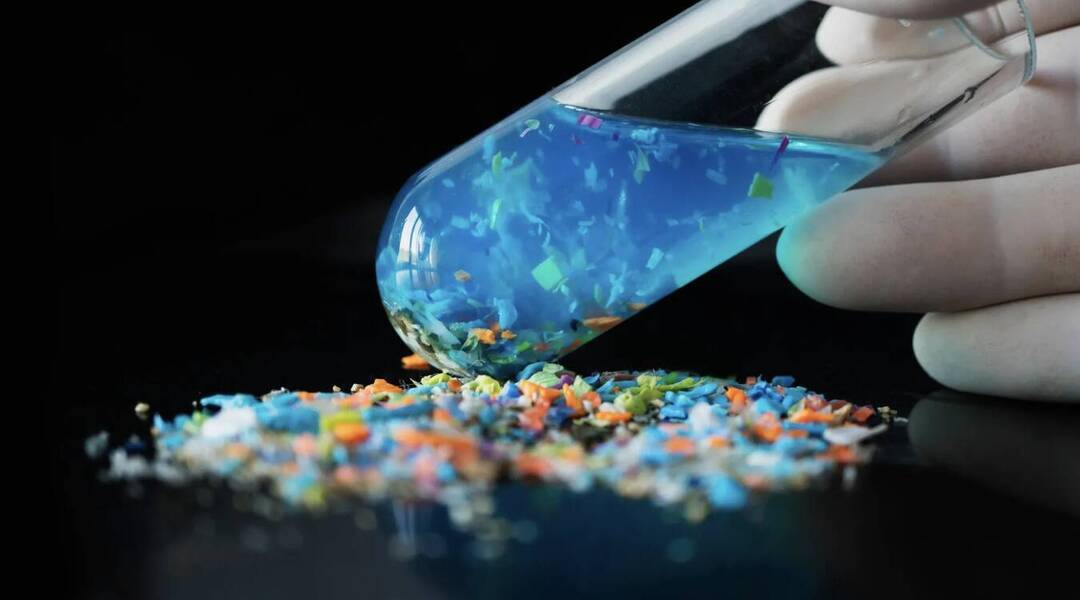
Microplastics leak invisible chemical clouds into water: Study
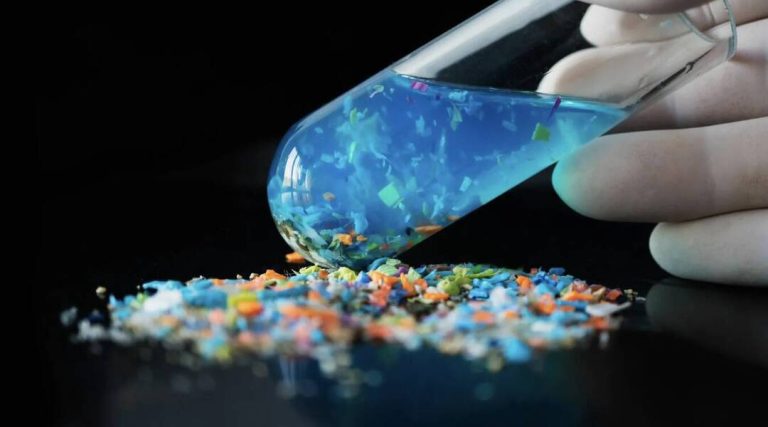
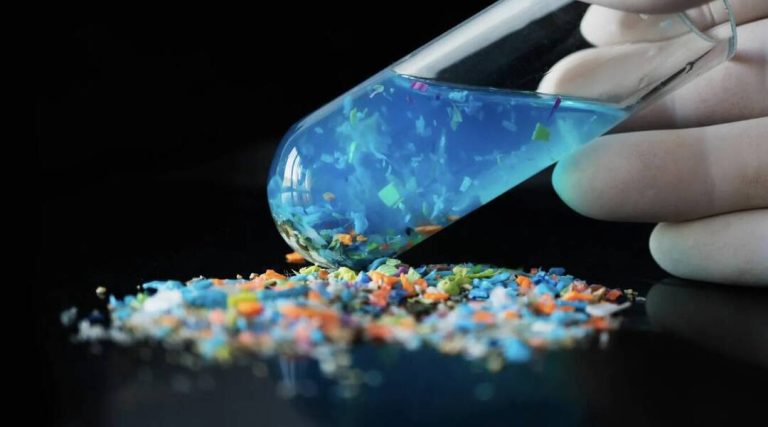
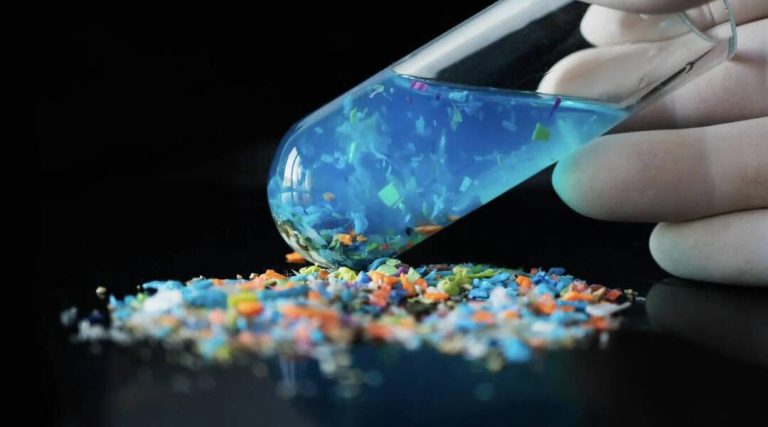
The world’s water bodies, including rivers, lakes, and oceans, are facing a significant threat from microplastics. These tiny plastic particles, which are less than 5 millimeters in size, have been found to release invisible clouds of chemicals into the water, driven by sunlight. A recent study has shed light on this phenomenon, revealing the extent to which microplastics are contaminating our water sources.
The study, which examined four common plastic types, found that each releases its own unique chemical mixture into the water. The plastics labeled as biodegradable were found to release the most chemicals, which is a concerning discovery. The dissolved organic matter (DOM) released by microplastics was also found to be more biologically active than natural organic matter, which can have significant implications for aquatic life.
Microplastics have been a growing concern in recent years, with studies showing that they are present in almost every water body around the world. They can come from a variety of sources, including plastic bags, bottles, and microbeads in personal care products. When these plastics break down into smaller pieces, they can be ingested by animals and even humans, potentially causing harm.
The study’s findings suggest that microplastics are not just a physical problem, but also a chemical one. The invisible clouds of chemicals released by microplastics can affect the entire aquatic ecosystem, from the smallest plankton to the largest fish. The chemicals can also be absorbed by humans who drink water from contaminated sources, which can have serious health implications.
The researchers behind the study used a combination of laboratory experiments and field measurements to investigate the release of chemicals from microplastics. They exposed the plastics to sunlight and measured the chemicals released into the water. The results showed that the chemicals released by microplastics were different from those released by natural organic matter, such as plant material.
The study’s findings have significant implications for the management of microplastics in water bodies. Currently, many efforts focus on removing microplastics from the water, but the study suggests that this may not be enough. The chemicals released by microplastics can persist in the water even after the plastic particles themselves have been removed.
To address this problem, the researchers recommend a multi-faceted approach. This includes reducing the amount of plastic that enters the water in the first place, through measures such as improved waste management and the use of biodegradable plastics. It also includes developing new technologies to remove microplastics and their associated chemicals from the water.
The study’s findings also highlight the need for further research into the effects of microplastics on aquatic ecosystems. While the study provides valuable insights into the chemical clouds released by microplastics, more work is needed to understand the full extent of their impact.
In conclusion, the study’s findings are a stark reminder of the significant threat that microplastics pose to our water bodies. The release of invisible chemical clouds into the water is a complex problem that requires a comprehensive solution. By reducing plastic waste, developing new technologies, and conducting further research, we can work towards mitigating the effects of microplastics and protecting our aquatic ecosystems.
As the world grapples with the challenges posed by microplastics, it is essential to stay informed about the latest research and developments. This study is a significant contribution to our understanding of the problem, and its findings will likely inform policy and management decisions in the years to come.
News Source: https://www.sciencedaily.com/releases/2025/12/251224032408.htm
About the Author