Microplastics leak invisible chemical clouds into water: Study
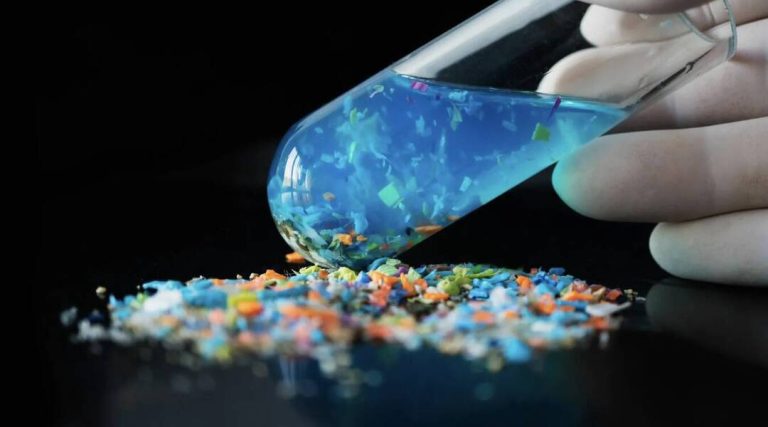
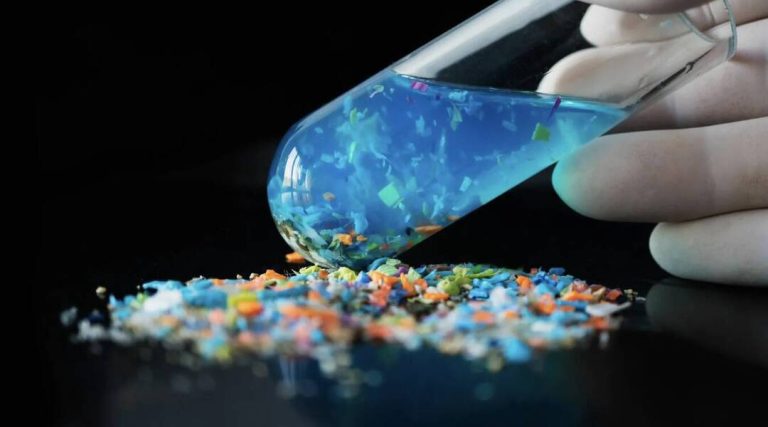
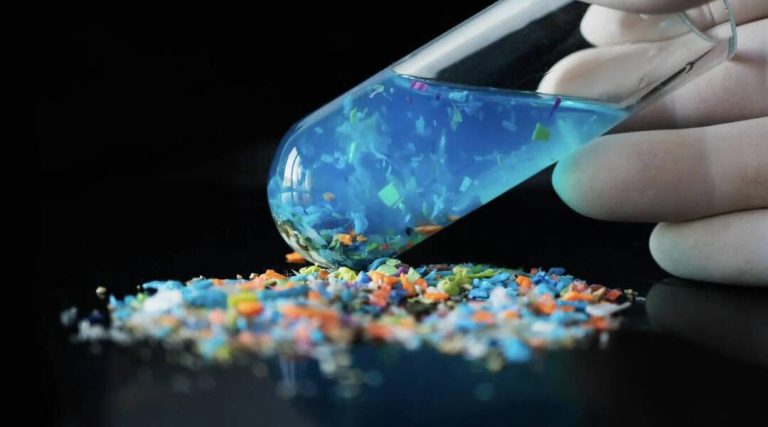
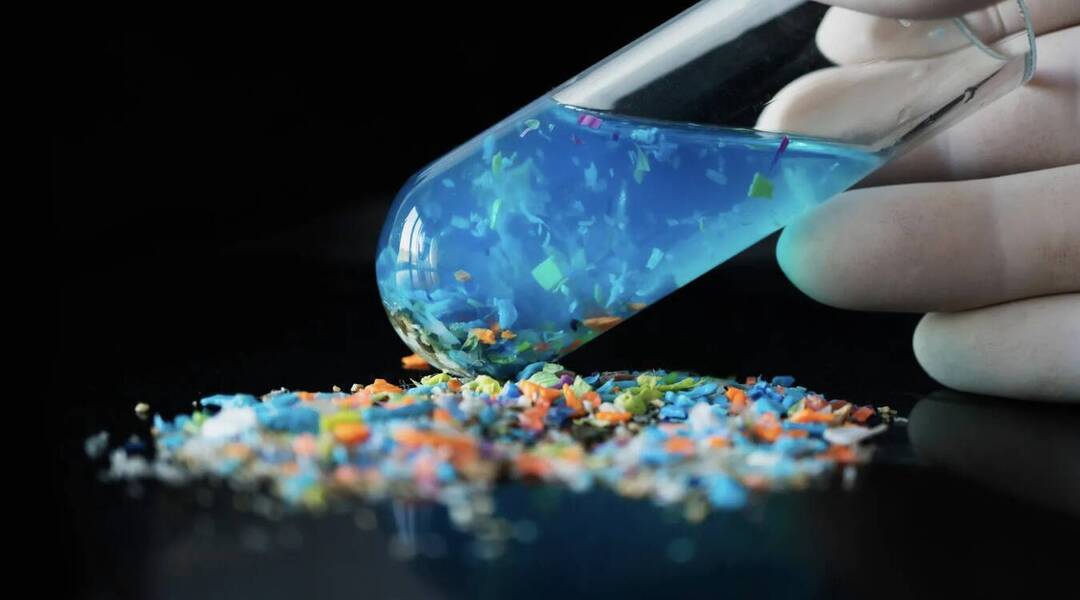
The world’s water bodies, from rivers and lakes to oceans, are facing a growing threat from microplastics. These tiny plastic particles, which are less than 5 millimeters in size, have been found to harm aquatic life and even contaminate the food chain. However, a recent study has revealed a new and alarming aspect of microplastics in water. According to the research, microplastics in rivers, lakes, and oceans release invisible clouds of chemicals into water, driven by sunlight. This phenomenon has significant implications for the health of our water bodies and the creatures that inhabit them.
The study, which examined four common plastic types, found that each releases its own unique chemical mixture when exposed to sunlight. The researchers were surprised to discover that plastics labelled as biodegradable released the most chemicals, highlighting the need for a reassessment of the term “biodegradable” and its implications for environmental safety. The study’s findings suggest that the dissolved organic matter (DOM) released by microplastics is more biologically active than natural organic matter, which can have far-reaching consequences for aquatic ecosystems.
To understand the impact of microplastics on water bodies, it’s essential to delve into the world of plastics and their composition. Plastics are made from a variety of materials, including polyethylene, polypropylene, polyvinyl chloride (PVC), and polystyrene. Each of these materials has its own unique properties and characteristics, which affect how they interact with the environment. When plastics are exposed to sunlight, they undergo a process called photodegradation, which breaks down the plastic into smaller particles and releases chemicals into the surrounding water.
The study examined four common plastic types: polyethylene, polypropylene, PVC, and polystyrene. The researchers found that each plastic type released a unique mixture of chemicals when exposed to sunlight. The chemicals released included volatile organic compounds (VOCs), semi-volatile organic compounds (SVOCs), and other dissolved organic matter. The study also found that the amount and type of chemicals released varied depending on the plastic type, with biodegradable plastics releasing the most chemicals.
The release of invisible chemical clouds from microplastics has significant implications for aquatic ecosystems. The chemicals released can harm aquatic life, from tiny plankton to large fish, and even contaminate the food chain. The study’s findings suggest that the DOM released by microplastics is more biologically active than natural organic matter, which can stimulate the growth of harmful algal blooms and alter the food web. Furthermore, the chemicals released by microplastics can also affect human health, as they can accumulate in the tissues of aquatic organisms and eventually make their way into the human food chain.
The study’s findings also raise questions about the effectiveness of biodegradable plastics. While biodegradable plastics are designed to break down more quickly than traditional plastics, the study’s findings suggest that they may actually release more chemicals into the environment. This highlights the need for a reassessment of the term “biodegradable” and its implications for environmental safety. The study’s authors suggest that biodegradable plastics may not be as environmentally friendly as previously thought and that more research is needed to understand their impact on the environment.
The release of invisible chemical clouds from microplastics is a complex issue that requires a multifaceted approach to solve. The study’s findings highlight the need for a reduction in plastic use and waste, as well as the development of more environmentally friendly plastics. Governments, industries, and individuals must work together to reduce plastic pollution and mitigate the harm caused by microplastics. This can be achieved through a combination of strategies, including reducing plastic use, increasing recycling rates, and implementing extended producer responsibility.
In conclusion, the study’s findings highlight the need for a greater understanding of the impact of microplastics on aquatic ecosystems. The release of invisible chemical clouds from microplastics is a complex issue that requires a multifaceted approach to solve. The study’s findings suggest that biodegradable plastics may not be as environmentally friendly as previously thought and that more research is needed to understand their impact on the environment. As the world grapples with the challenges of plastic pollution, it’s essential to stay informed and up-to-date on the latest research and developments.
For more information on this study, please visit: https://www.sciencedaily.com/releases/2025/12/251224032408.htm
About the Author