Microplastics leak invisible chemical clouds into water: Study
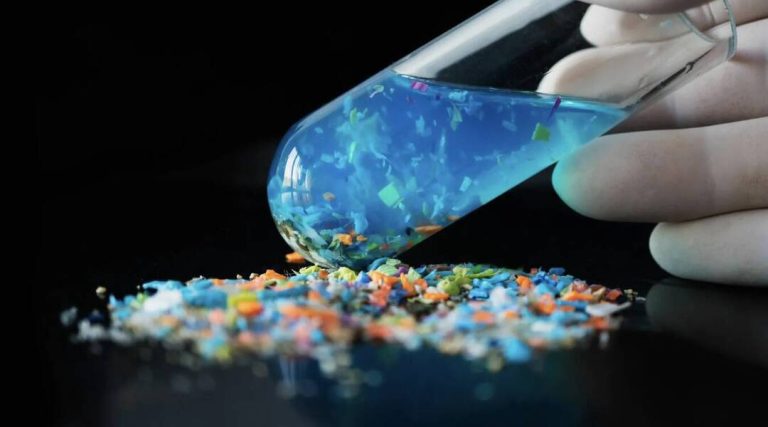
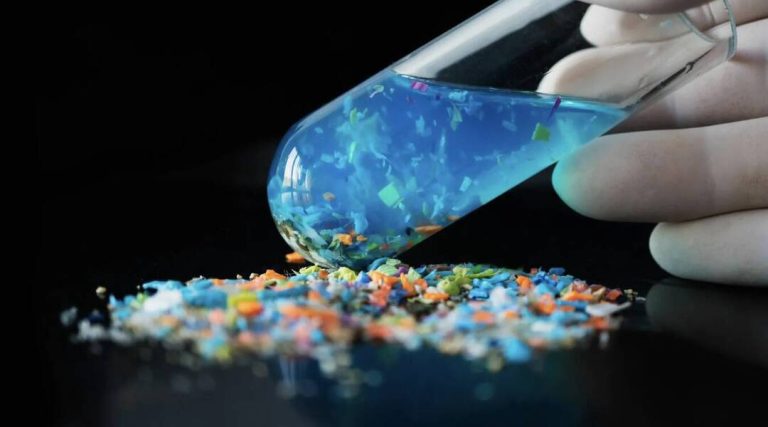
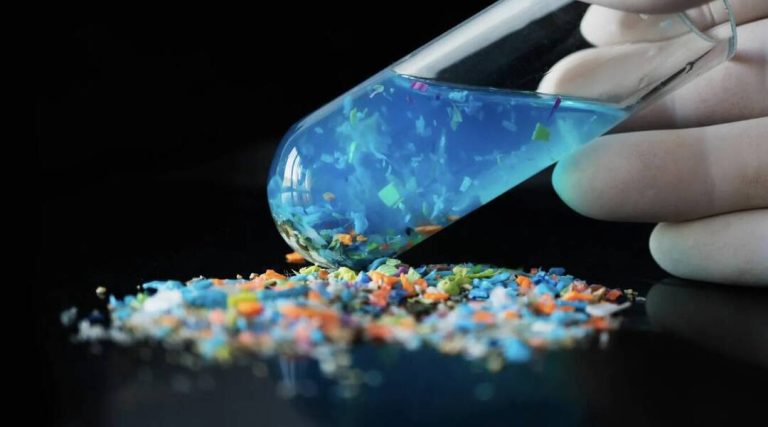
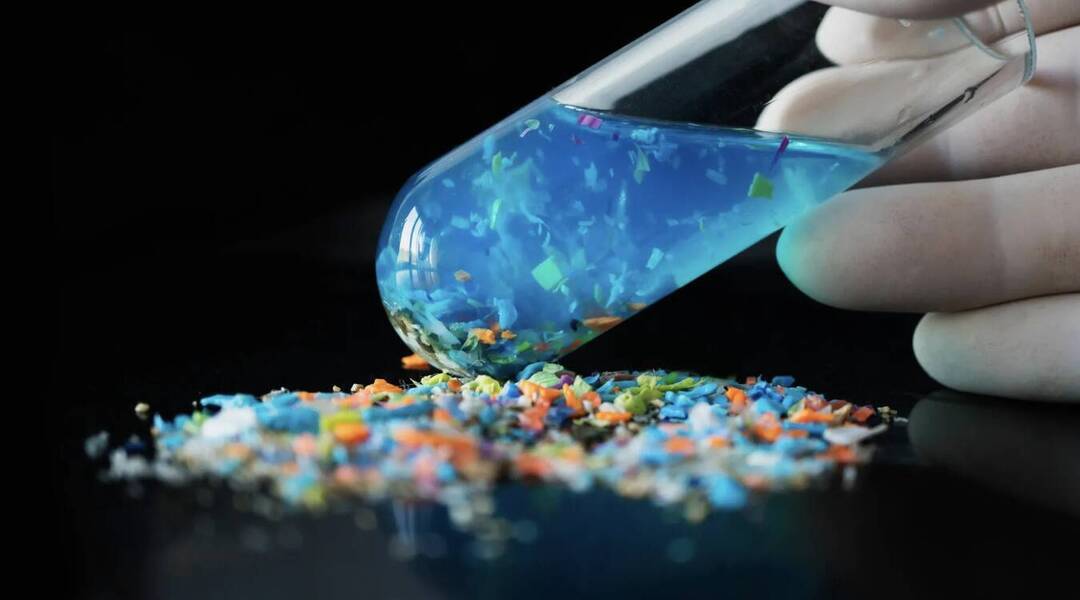
The issue of microplastics in our environment has been a growing concern in recent years. These tiny plastic particles, which are less than 5 millimeters in size, have been found in oceans, lakes, and rivers around the world, and have been shown to have a significant impact on the health of our planet. Now, a new study has revealed that microplastics are not just physical pollutants, but also release invisible clouds of chemicals into the water, driven by sunlight.
The study, which examined four common types of plastic, found that each type releases its own unique chemical mixture when exposed to sunlight. The researchers were surprised to find that plastics labeled as biodegradable released the most chemicals, and that the dissolved organic matter (DOM) released by these plastics was more biologically active than natural organic matter.
The study’s findings have significant implications for our understanding of the impact of microplastics on the environment. Microplastics have been shown to be ingested by a wide range of animals, from small fish to large mammals, and have been found to cause physical harm and toxicity in these animals. However, the release of invisible chemical clouds by microplastics adds a new layer of complexity to the issue, and highlights the need for further research into the effects of these chemicals on the environment.
The study’s authors used a combination of laboratory experiments and field measurements to examine the release of chemicals from microplastics. They found that the chemicals released by microplastics were similar to those found in natural organic matter, but were more biologically active. This suggests that the chemicals released by microplastics could have a significant impact on the health of aquatic ecosystems, and could potentially affect the growth and development of plants and animals.
One of the most significant findings of the study was that plastics labeled as biodegradable released the most chemicals. This is surprising, as biodegradable plastics are often marketed as a more environmentally friendly alternative to traditional plastics. However, the study’s authors suggest that the biodegradable plastics may be breaking down into smaller pieces, which are then releasing chemicals into the water.
The study’s findings have significant implications for the management of microplastics in the environment. Currently, many governments and organizations are focused on reducing the amount of plastic waste that enters the environment, through initiatives such as recycling programs and beach cleanups. However, the study’s findings suggest that these efforts may not be enough to mitigate the impact of microplastics, and that more needs to be done to address the issue of chemical release from these plastics.
In addition to the release of chemicals, microplastics have also been shown to have a physical impact on the environment. They can be ingested by animals, causing physical harm and toxicity, and can also affect the growth and development of plants. Microplastics have also been found to affect the quality of water, making it less suitable for human consumption.
The study’s authors suggest that further research is needed to fully understand the impact of microplastics on the environment. They recommend that governments and organizations take a more comprehensive approach to addressing the issue, including reducing the amount of plastic waste that enters the environment, and developing new technologies to remove microplastics from the water.
In conclusion, the study’s findings highlight the complex and multifaceted nature of the microplastics issue. The release of invisible chemical clouds by microplastics adds a new layer of complexity to the issue, and highlights the need for further research into the effects of these chemicals on the environment. As we move forward, it is essential that we take a comprehensive approach to addressing the issue of microplastics, including reducing the amount of plastic waste that enters the environment, and developing new technologies to remove microplastics from the water.
Source:
https://www.sciencedaily.com/releases/2025/12/251224032408.htm
About the Author