Microplastics leak invisible chemical clouds into water: Study
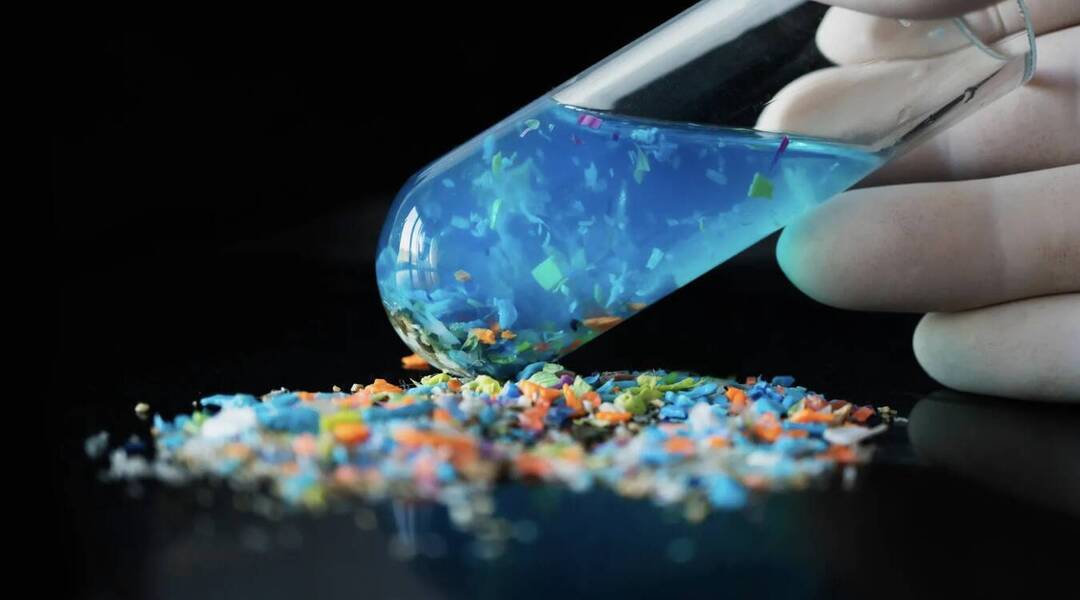
The world’s water bodies, from rivers and lakes to oceans, are facing a myriad of threats, including pollution from microplastics. These tiny plastic particles, which are less than 5 millimeters in size, have been found to harm aquatic life and even contaminate the food chain. However, a recent study has shed new light on the dangers posed by microplastics, revealing that they release invisible clouds of chemicals into the water, driven by sunlight. This phenomenon has significant implications for the health of our water bodies and the creatures that inhabit them.
The study, which examined four common plastic types, found that each releases its own unique chemical mixture when exposed to sunlight. This is particularly alarming, as it suggests that the problem of microplastic pollution is more complex and far-reaching than previously thought. Furthermore, the study discovered that plastics labelled as biodegradable release the most chemicals, highlighting the need for a reevaluation of the way we approach plastic production and disposal.
The researchers focused on the dissolved organic matter (DOM) released by microplastics, which is the mixture of chemicals that are dissolved in water. They found that the DOM from microplastics is more biologically active than natural organic matter, meaning that it has a greater impact on the environment and the organisms that live in it. This is concerning, as it suggests that microplastics are not only harming aquatic life through physical means, such as entanglement and ingestion, but also through the release of toxic chemicals.
The study’s findings are based on experiments that simulated the conditions found in natural water bodies. The researchers exposed microplastics to sunlight and measured the chemicals that were released. They then compared these chemicals to those found in natural organic matter, such as decaying plant material. The results showed that the microplastics released a unique mixture of chemicals, including volatile organic compounds (VOCs) and other pollutants.
One of the most significant implications of this study is that it highlights the need for a more comprehensive approach to addressing microplastic pollution. Simply removing microplastics from the water is not enough, as the chemicals they release can persist in the environment for a long time. Instead, we need to focus on preventing microplastics from entering the water in the first place, through measures such as reducing plastic waste, improving waste management, and increasing the use of biodegradable alternatives.
The study also underscores the importance of considering the impact of microplastics on the environment as a whole. Microplastics are not just a problem for aquatic life; they also affect human health and the economy. For example, microplastics have been found in drinking water and food, highlighting the need for more research into the human health impacts of microplastic pollution. Additionally, microplastics can damage marine ecosystems, which can have significant economic implications for industries such as fishing and tourism.
The fact that biodegradable plastics release the most chemicals is particularly concerning, as it suggests that these plastics may not be as environmentally friendly as previously thought. Biodegradable plastics are often marketed as a more sustainable alternative to traditional plastics, but the study’s findings suggest that they may actually be contributing to the problem of microplastic pollution. This highlights the need for more research into the environmental impacts of biodegradable plastics and for the development of more effective alternatives.
In conclusion, the study’s findings are a stark reminder of the need to take action to address microplastic pollution. The release of invisible chemical clouds into the water by microplastics is a complex problem that requires a comprehensive solution. By reducing plastic waste, improving waste management, and increasing the use of biodegradable alternatives, we can help to mitigate the impacts of microplastic pollution and protect the health of our water bodies and the creatures that inhabit them.
Source:
https://www.sciencedaily.com/releases/2025/12/251224032408.htm
About the Author