Largest Solar Storm in Over 20 Years Hits Earth
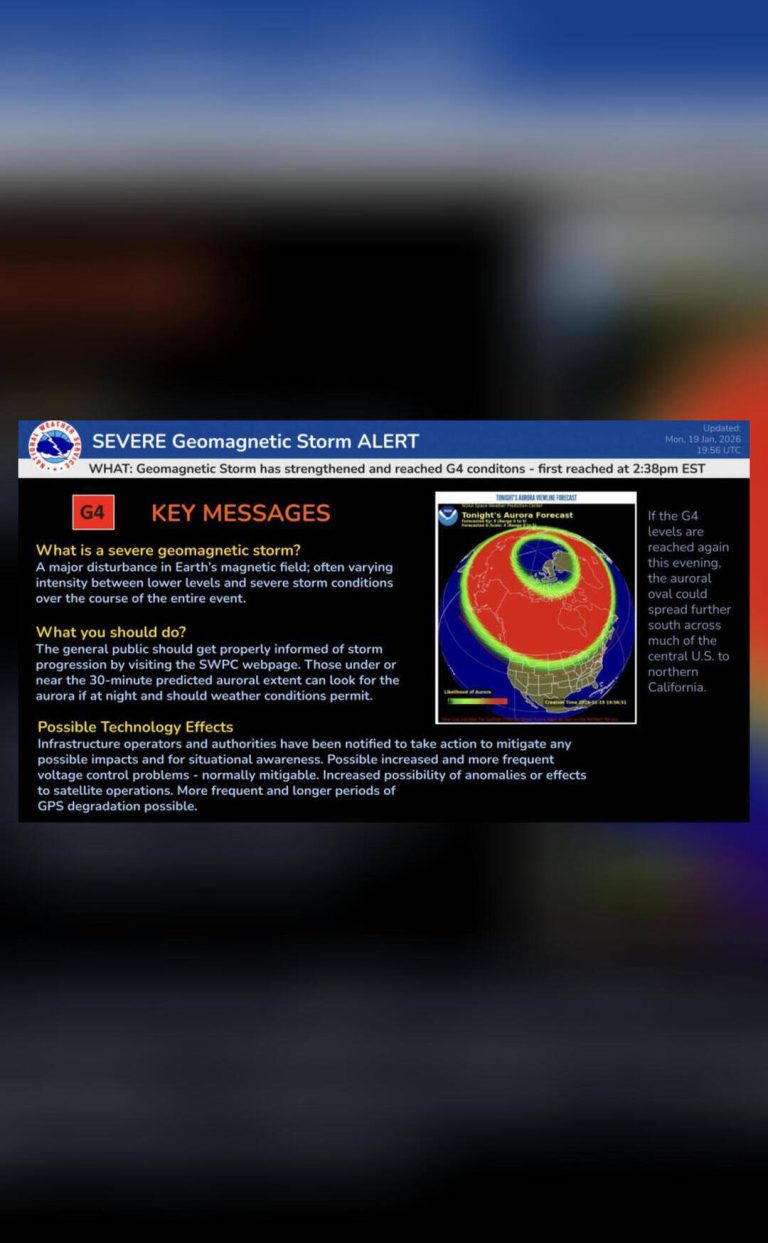
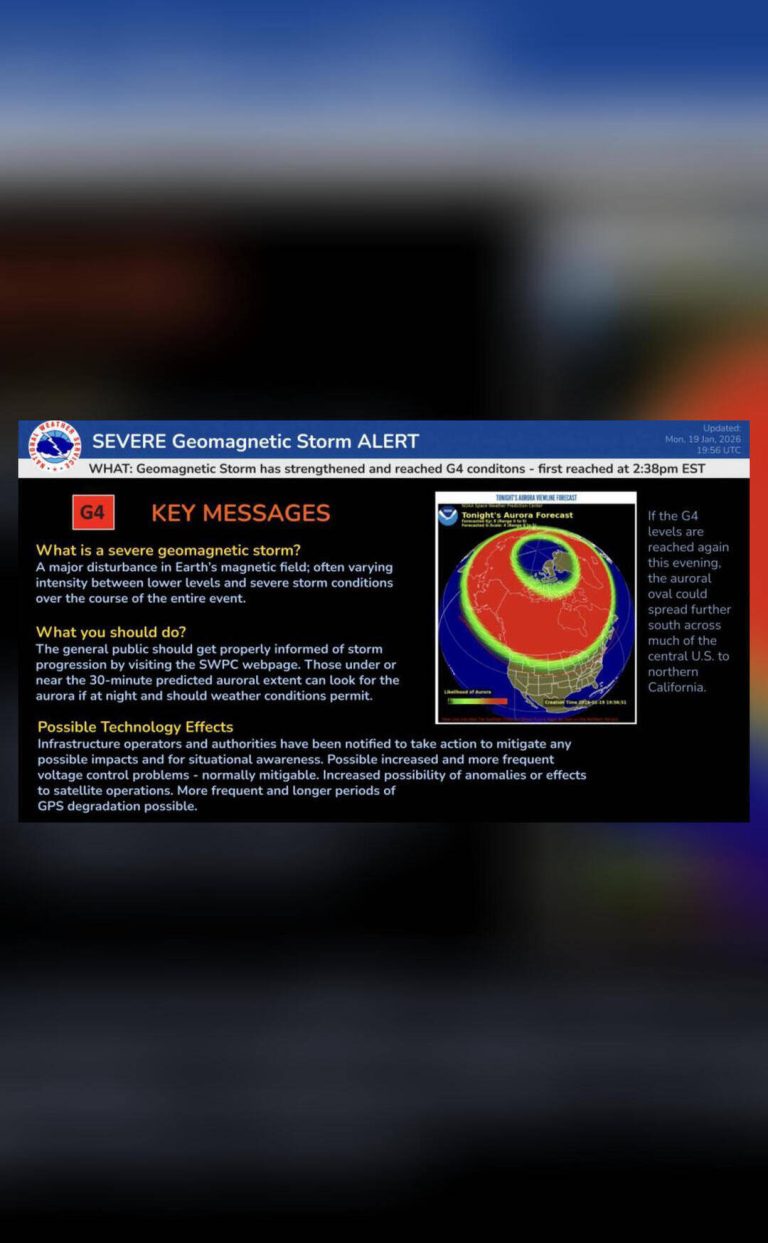
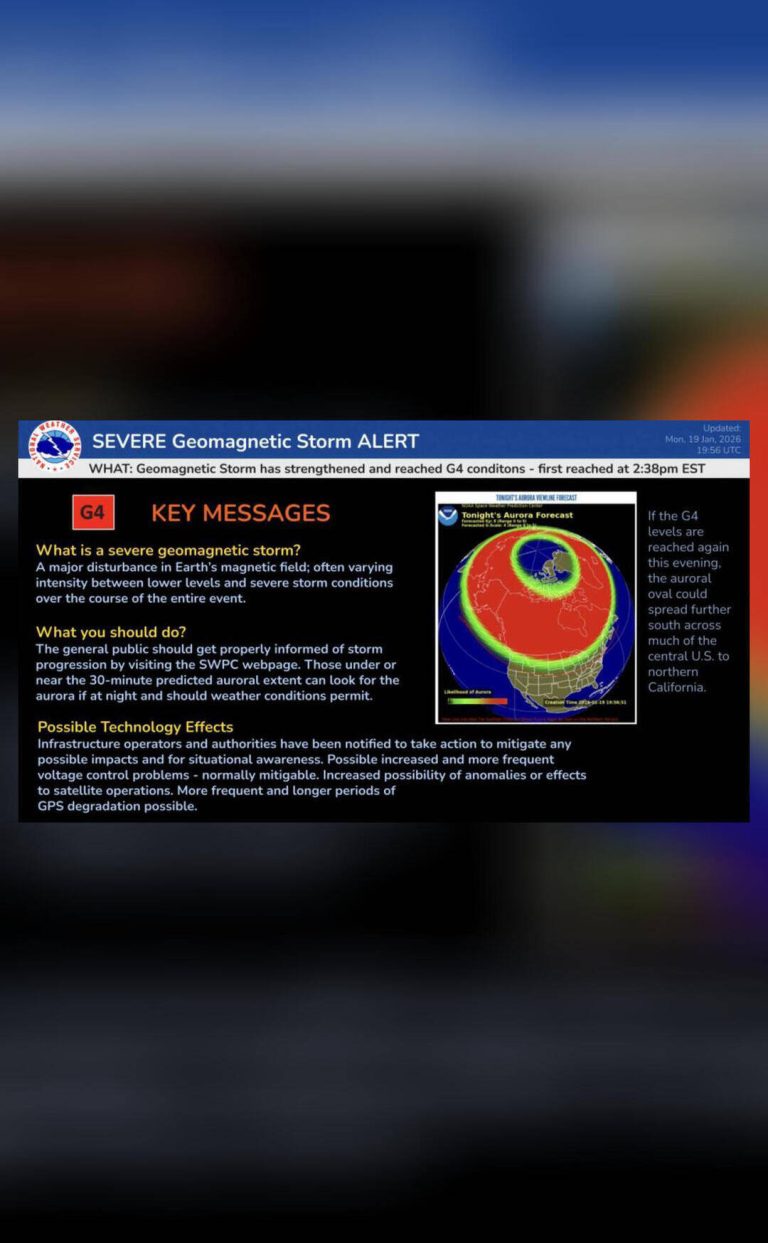
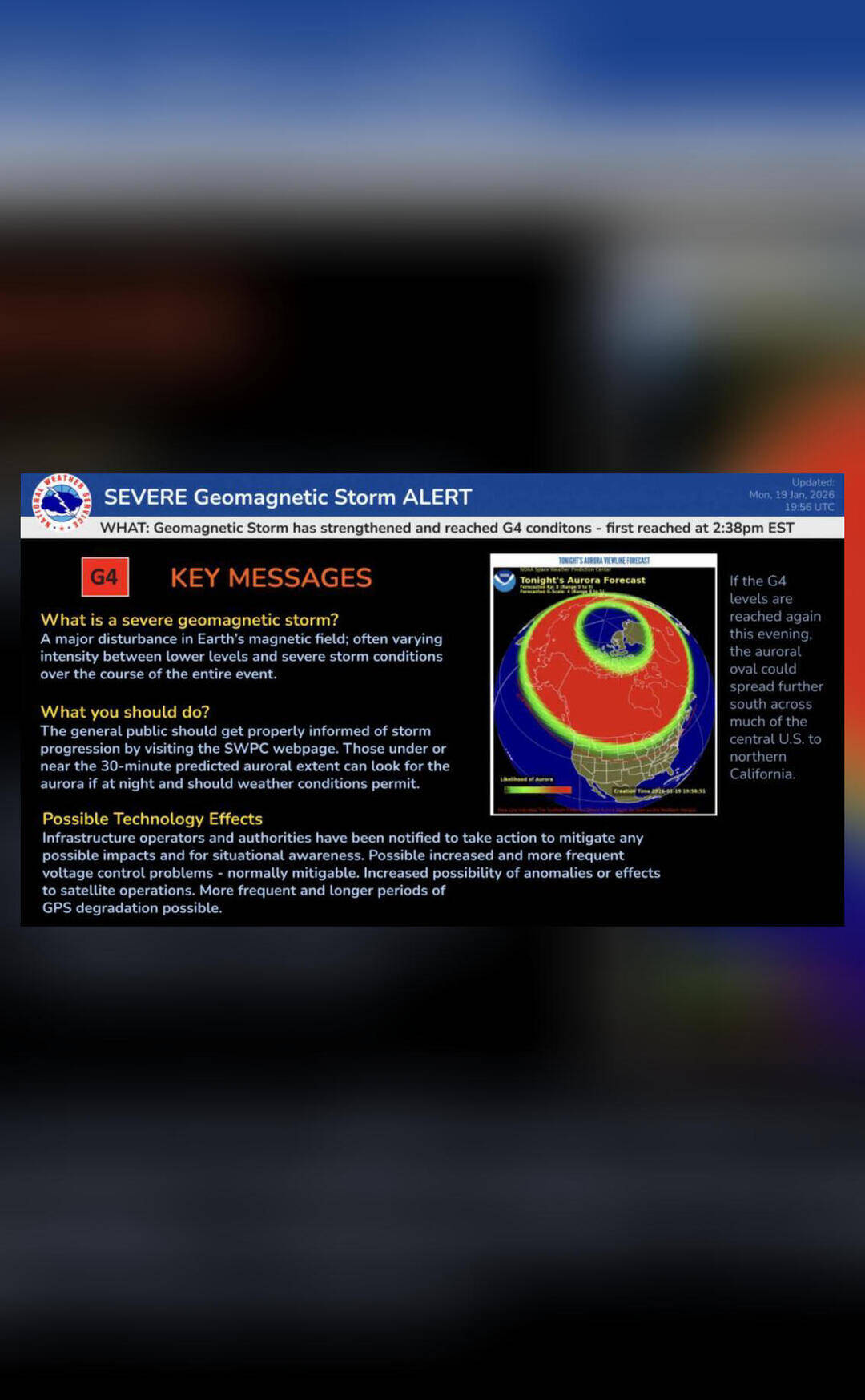
A powerful solar storm hit the Earth on Monday evening and early Tuesday morning, creating dazzling auroral displays at several locations across the globe. This storm, which is the largest in over 20 years, has not only mesmerized sky gazers with its breathtaking beauty but also raised concerns about its potential impact on satellite-based communications, GPS accuracy, and radiation exposure risks for air travelers.
The solar storm, which was categorized as a G5-level geomagnetic storm, was caused by a massive burst of energy released from the sun’s surface. This energy, in the form of charged particles, traveled through space and collided with the Earth’s magnetic field, triggering a spectacular display of the aurora borealis (northern lights) and aurora australis (southern lights). The storm’s impact was felt across the globe, with reports of vivid auroral displays coming in from countries as far apart as the United States, Canada, Norway, and Australia.
The solar storm’s effects were not limited to the visual spectacle of the aurora. It also had significant implications for satellite-based communications and GPS accuracy. The storm’s charged particles can interfere with satellite signals, causing disruptions to communication systems and potentially leading to errors in GPS navigation. This could have significant consequences for industries that rely heavily on satellite-based communications, such as aviation, maritime, and finance.
In addition to the potential disruptions to satellite-based communications, the solar storm also poses a risk to air travelers. Solar radiation storms can cause increased radiation exposure risks for passengers on flights that are traveling polar routes. This is because the Earth’s magnetic field is weaker at the poles, allowing more cosmic radiation to penetrate the atmosphere. As a result, airlines may need to take precautions to minimize the risks to their passengers, such as rerouting flights or providing additional shielding.
The solar storm has also sparked concerns about the potential impact on the Earth’s power grid. Geomagnetic storms can induce electrical currents in power transmission lines, potentially causing power outages and disruptions to the grid. However, it is worth noting that the likelihood of a widespread power outage is low, and power grid operators are generally well-prepared to handle such events.
The scientific community is closely monitoring the solar storm, with researchers from NASA and other space agencies working to understand the storm’s dynamics and predict its potential impact. The storm is also providing a unique opportunity for scientists to study the Earth’s magnetic field and its response to solar activity.
As the solar storm continues to unfold, it is clear that its impact will be felt across the globe. From the breathtaking beauty of the aurora to the potential disruptions to satellite-based communications, this event is a reminder of the awe-inspiring power of the sun and the importance of continued research and monitoring of space weather.
In conclusion, the largest solar storm in over 20 years has hit the Earth, bringing with it a mix of breathtaking beauty and potential disruptions to our technological systems. As we continue to monitor the storm’s impact, it is essential to remember the importance of space weather research and the need for continued investment in our understanding of the sun and its effects on our planet.
News Source: https://x.com/RT_com/status/2013348883477233817
About the Author