Largest Solar Storm in Over 20 Years Hits Earth
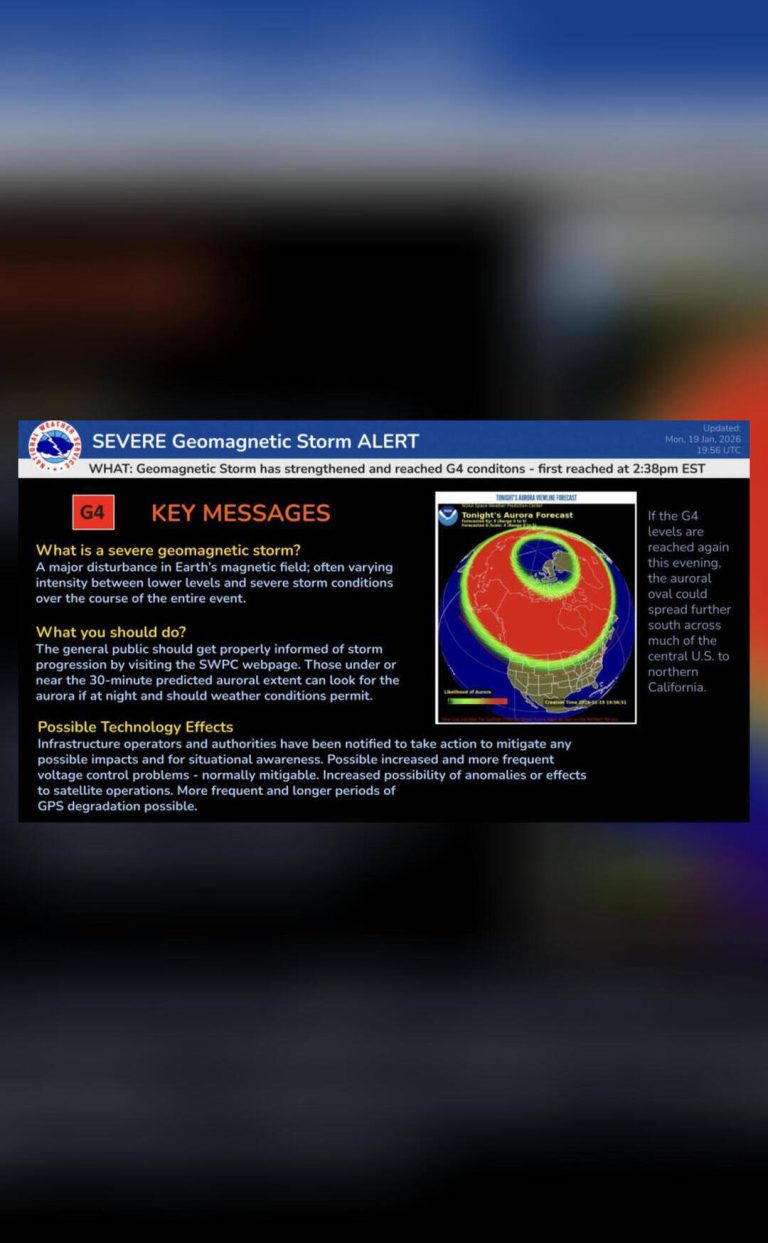
A powerful solar storm hit the Earth on Monday evening and early Tuesday morning, creating dazzling auroral displays at several locations across the globe. This spectacular phenomenon was the result of a massive solar flare that erupted from the surface of the sun, sending a huge wave of charged particles towards our planet. The largest solar storm in over 20 years, this event has not only mesmerized sky gazers but also raised concerns about its potential impact on our technological infrastructure.
As the solar storm reached the Earth’s magnetic field, it caused a geomagnetic storm that triggered breathtaking displays of the aurora borealis, also known as the northern lights, in the northern hemisphere. Similarly, the aurora australis, or southern lights, were visible in the southern hemisphere. The vibrant colors and patterns of the aurora were a treat for sky enthusiasts, who flocked to social media to share their experiences and photos of the phenomenon.
However, the solar storm is not just a visual spectacle; it also has the potential to disrupt our daily lives. The geomagnetic storm can interfere with satellite-based communications, causing errors and disruptions in GPS navigation, radio communications, and even power grids. This is because the solar storm can cause charged particles to penetrate the Earth’s magnetic field, leading to increased radiation levels and electrical currents in the atmosphere.
One of the primary concerns is the impact on satellite-based communications. The solar storm can cause satellites to malfunction or experience errors, leading to disruptions in communication services such as phone calls, internet connectivity, and even television broadcasts. This can have significant consequences for emergency services, aviation, and other critical infrastructure that rely on satellite communications.
Another area of concern is GPS accuracy. The solar storm can cause signal delays and errors in GPS navigation systems, which can lead to problems for aircraft, ships, and other vehicles that rely on GPS for navigation. This can be particularly problematic for flights that are traveling polar routes, as the solar storm can cause increased radiation exposure risks for passengers.
In addition to these concerns, solar radiation storms can also pose health risks for people in space and for passengers on flights that are traveling polar routes. The increased radiation levels can cause harm to both humans and electronic systems, highlighting the need for adequate protection and precautions.
The solar storm has also raised concerns about the potential impact on power grids. The geomagnetic storm can cause electrical currents to flow through power transmission lines, leading to increased risk of power outages and equipment damage. This can have significant consequences for communities that rely on electricity for essential services such as healthcare, transportation, and communication.
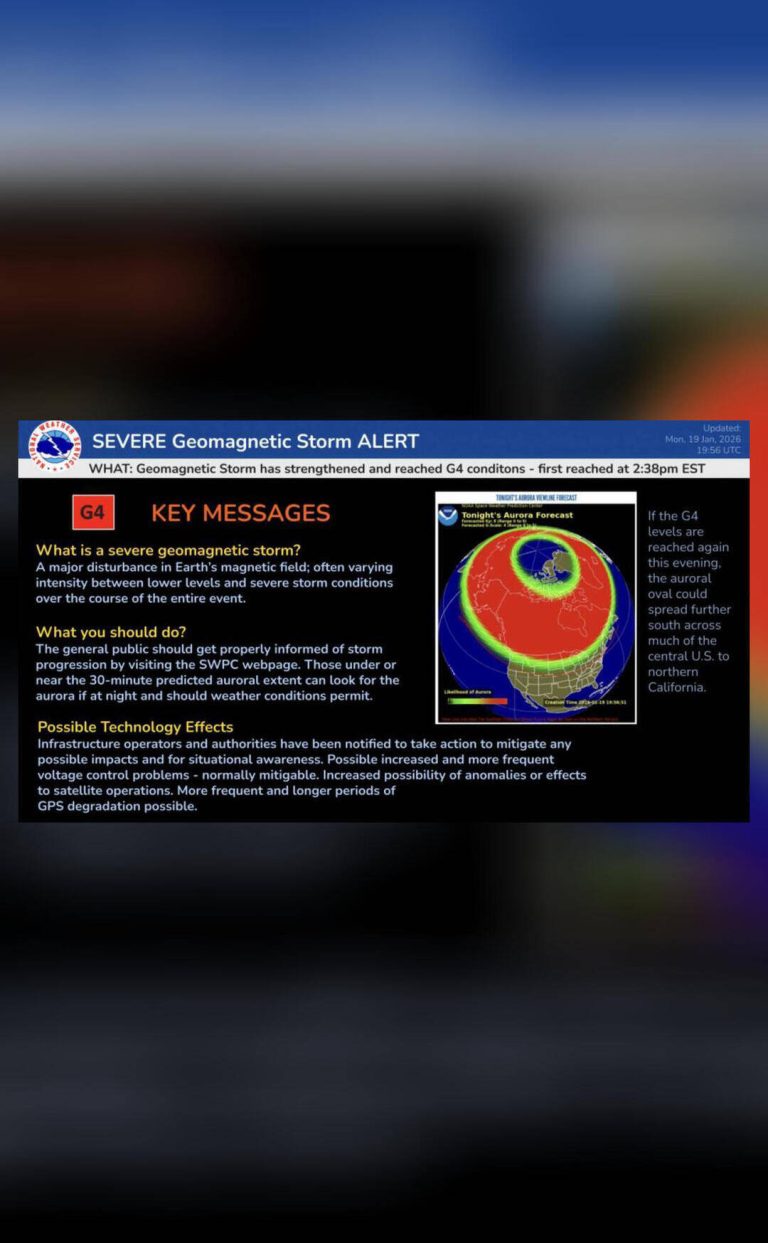
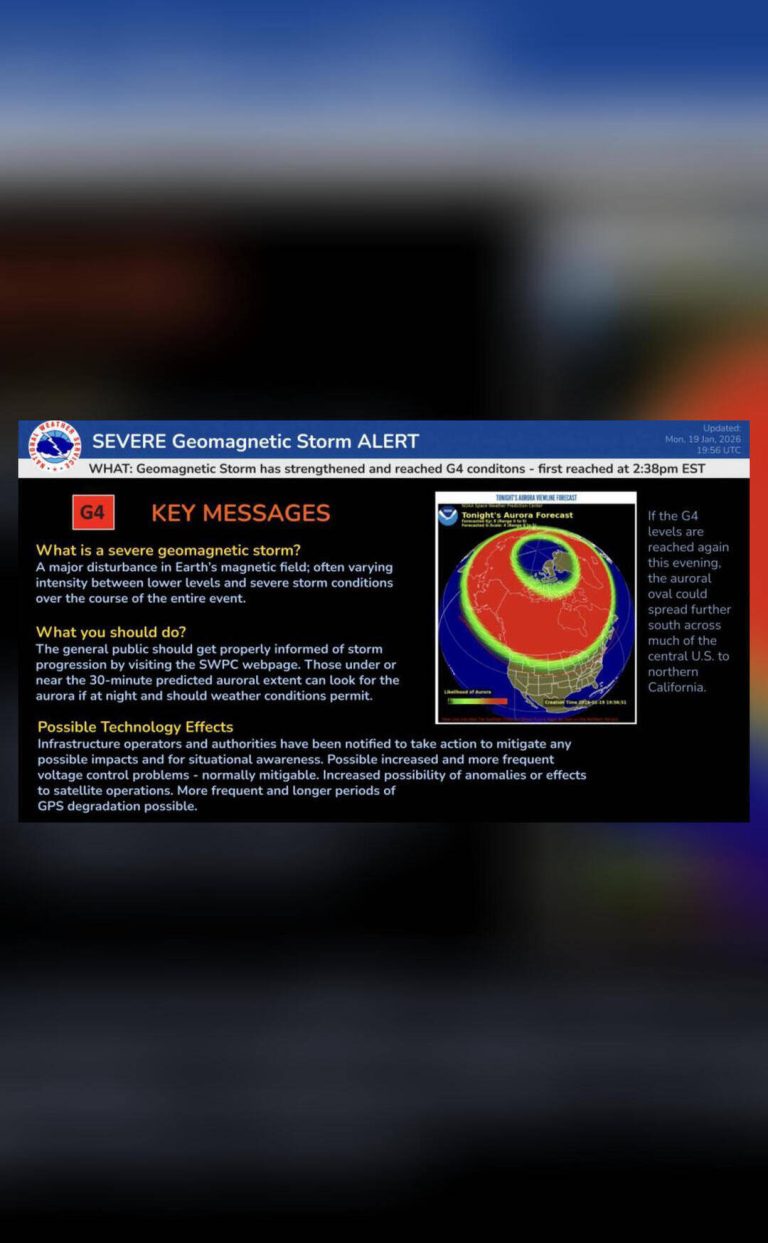
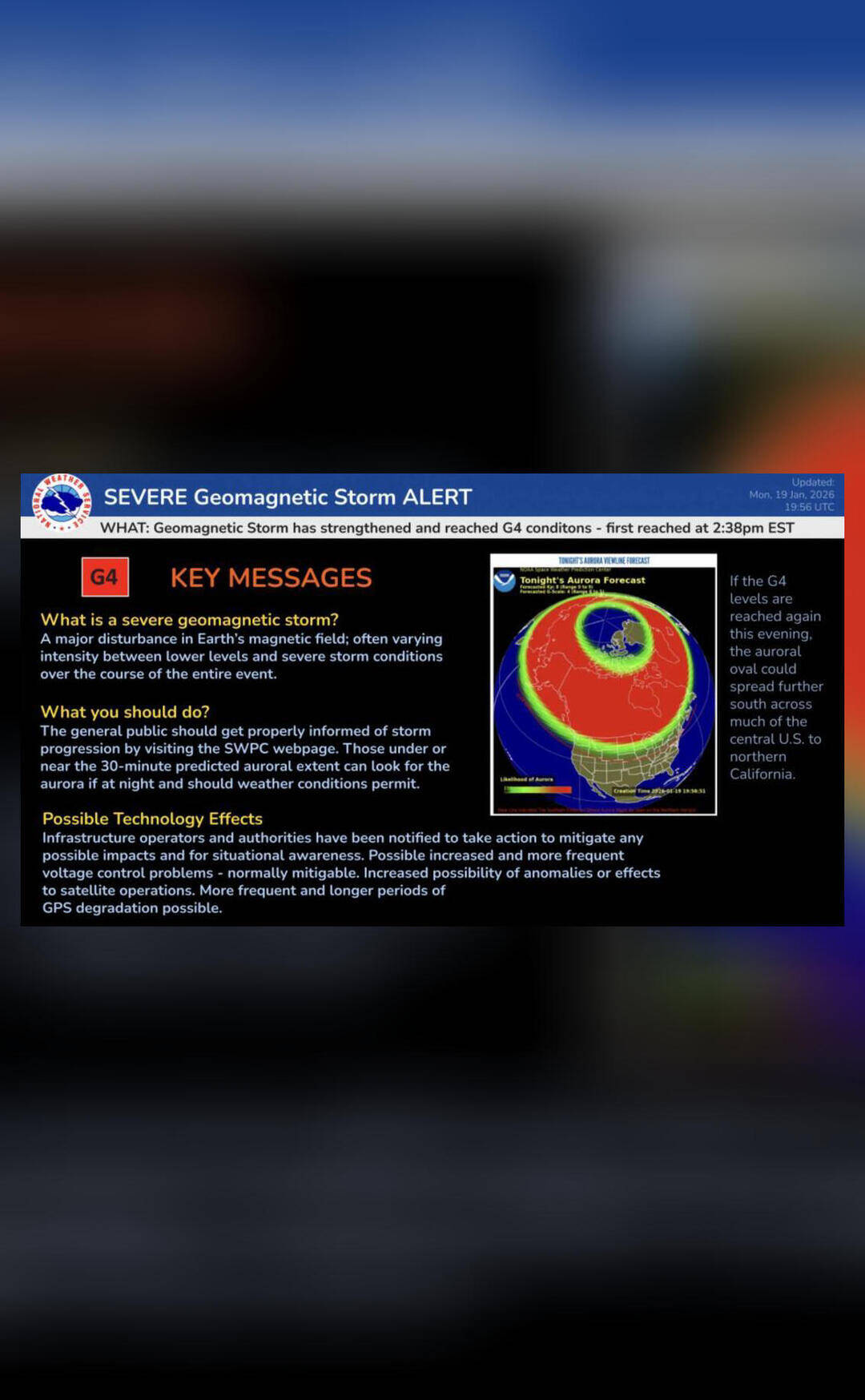
As the solar storm continues to affect the Earth, scientists and space weather experts are closely monitoring the situation to provide updates and warnings. The National Oceanic and Atmospheric Administration (NOAA) has issued a warning about the potential impacts of the solar storm, including disruptions to communication and navigation systems.
In conclusion, the largest solar storm in over 20 years has hit the Earth, causing dazzling auroral displays and raising concerns about its potential impact on our technological infrastructure. While the solar storm is a spectacular phenomenon, it also highlights the need for increased awareness and preparedness for space weather events. As we continue to rely on technology and satellite-based communications, it is essential to understand the risks and consequences of solar storms and to take necessary precautions to mitigate their impacts.
Source: https://x.com/RT_com/status/2013348883477233817
About the Author