Largest Solar Storm in Over 20 Years Hits Earth
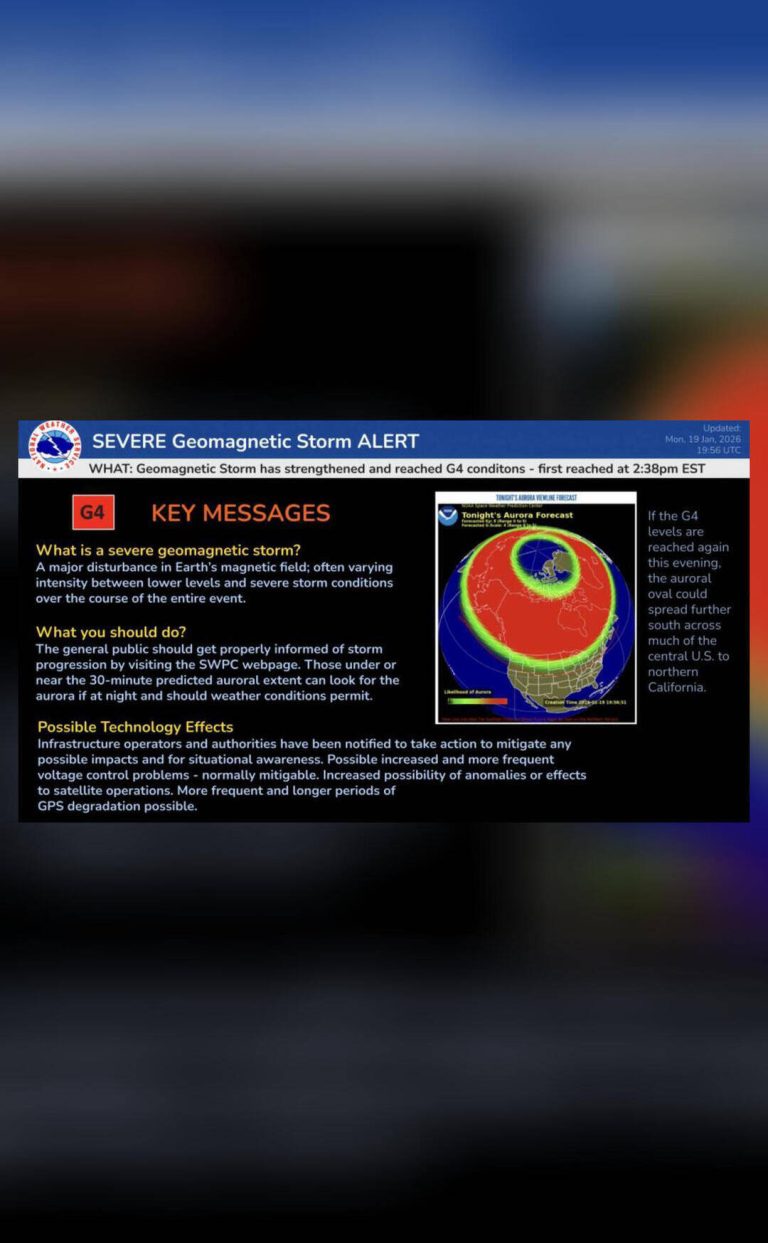
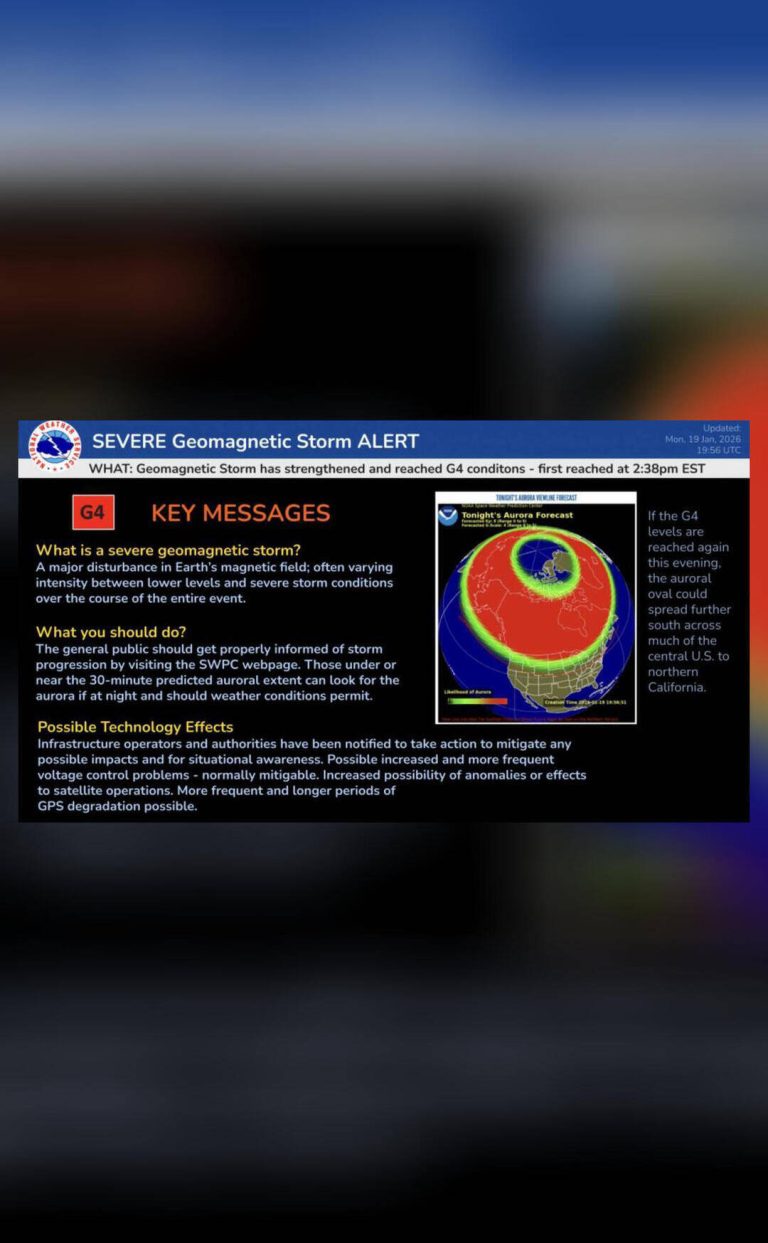
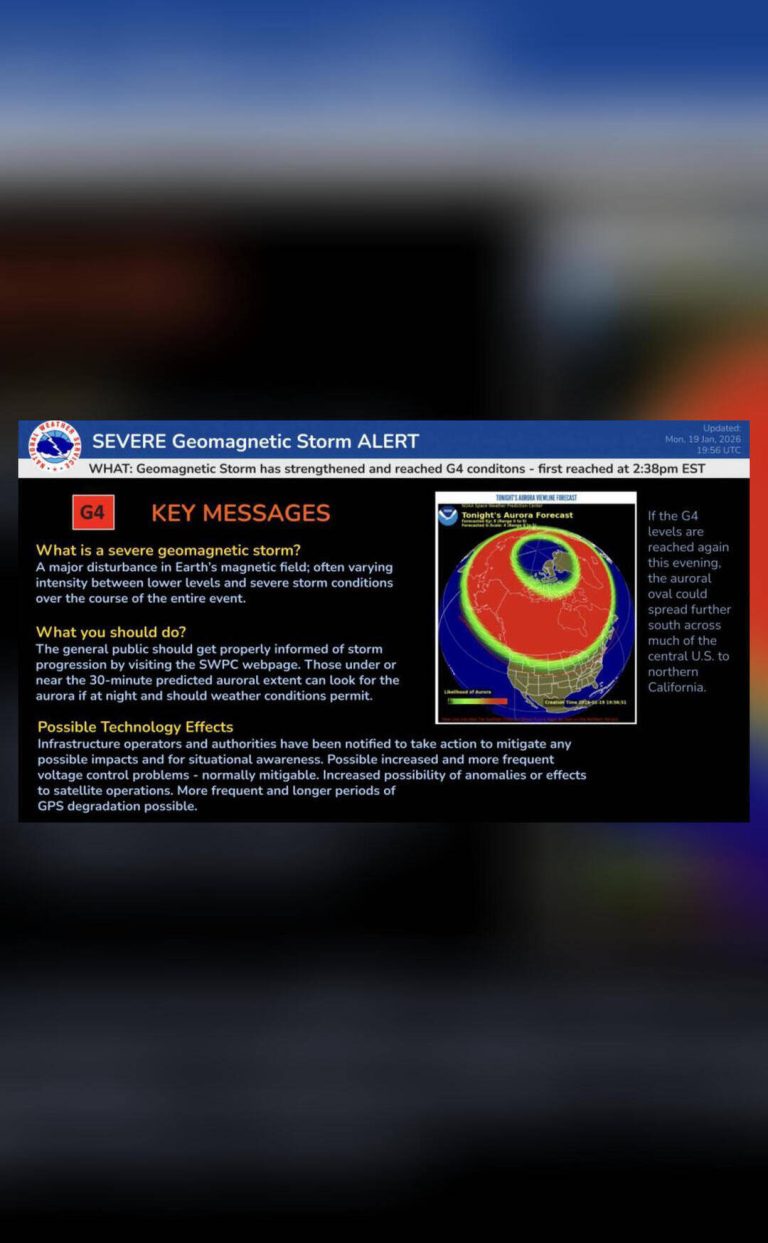
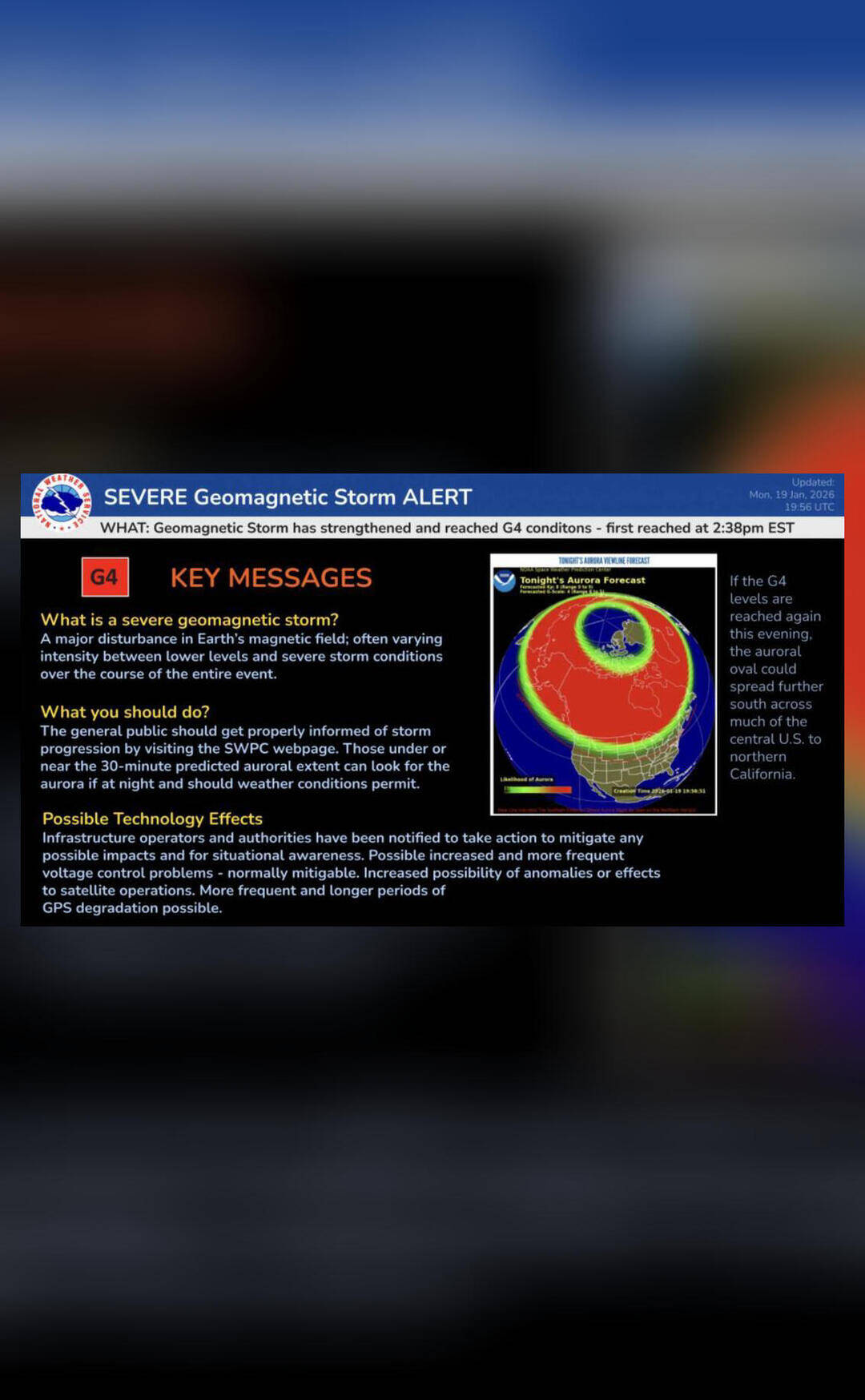
A powerful solar storm hit the Earth on Monday evening and early Tuesday morning, creating dazzling auroral displays at several locations across the globe. This phenomenon, which is the largest solar storm in over 20 years, has not only mesmerized sky gazers but also raised concerns about its potential impact on satellite-based communications and GPS accuracy. The storm’s effects are being felt worldwide, with possible disruptions to modern technologies that rely on space-based systems.
The solar storm, which is a coronal mass ejection (CME) from the sun, is a massive burst of plasma and magnetic field that is released from the sun’s corona. This burst of energy travels through space and can interact with the Earth’s magnetic field, causing a geomagnetic storm. The storm’s impact on the Earth’s magnetic field can lead to spectacular auroral displays, which are typically visible at high latitudes. However, this particular storm is so powerful that it has made the aurora visible at lower latitudes, treating people to a rare and breathtaking sight.
The auroral displays, which are also known as the Northern or Southern Lights, are a result of the solar storm’s interaction with the Earth’s atmosphere. The solar wind, which is a stream of charged particles emitted by the sun, collides with the Earth’s magnetic field, causing the atoms and molecules in the atmosphere to become excited. As these atoms and molecules return to their ground state, they release energy in the form of light, creating the spectacular displays of colored lights that we see in the sky.
While the auroral displays are a treat for sky gazers, the solar storm’s impact on satellite-based communications and GPS accuracy is a cause for concern. The storm’s radiation can interfere with satellite signals, causing errors in GPS navigation and potentially disrupting communication systems. This can have significant implications for various industries, including aviation, maritime, and finance, which rely heavily on satellite-based technologies.
Moreover, the solar radiation storms can also cause increased radiation exposure risks for passengers on flights that are traveling polar routes. The Earth’s magnetic field provides protection against solar radiation, but at high altitudes and near the poles, the magnetic field is weaker, leaving passengers and crew members more vulnerable to radiation exposure. Airlines and aviation authorities are taking precautions to minimize the risks, but the situation is being closely monitored.
The solar storm’s impact on the Earth’s magnetic field can also have other effects, such as power grid fluctuations and increased risk of electrical blackouts. The storm’s magnetic field can induce currents in power grids, potentially causing equipment damage and power outages. While the likelihood of widespread power outages is low, utility companies and grid operators are on high alert, taking steps to mitigate any potential disruptions.
The solar storm’s arrival has also sparked interest in space weather forecasting, which is a relatively new field of research. Space weather forecasting involves predicting the impact of solar and geomagnetic storms on the Earth’s magnetic field and atmosphere. By monitoring the sun’s activity and the Earth’s magnetic field, scientists can provide early warnings of potential disruptions to satellite-based systems and other technologies.
In conclusion, the largest solar storm in over 20 years has hit the Earth, causing spectacular auroral displays and raising concerns about its potential impact on satellite-based communications and GPS accuracy. While the storm’s effects are being felt worldwide, scientists and experts are working together to mitigate any potential disruptions and ensure the continued reliability of modern technologies. As we continue to rely more heavily on space-based systems, the importance of space weather forecasting and preparedness will only continue to grow.
News Source: https://x.com/RT_com/status/2013348883477233817
About the Author