Largest Solar Storm in Over 20 Years Hits Earth
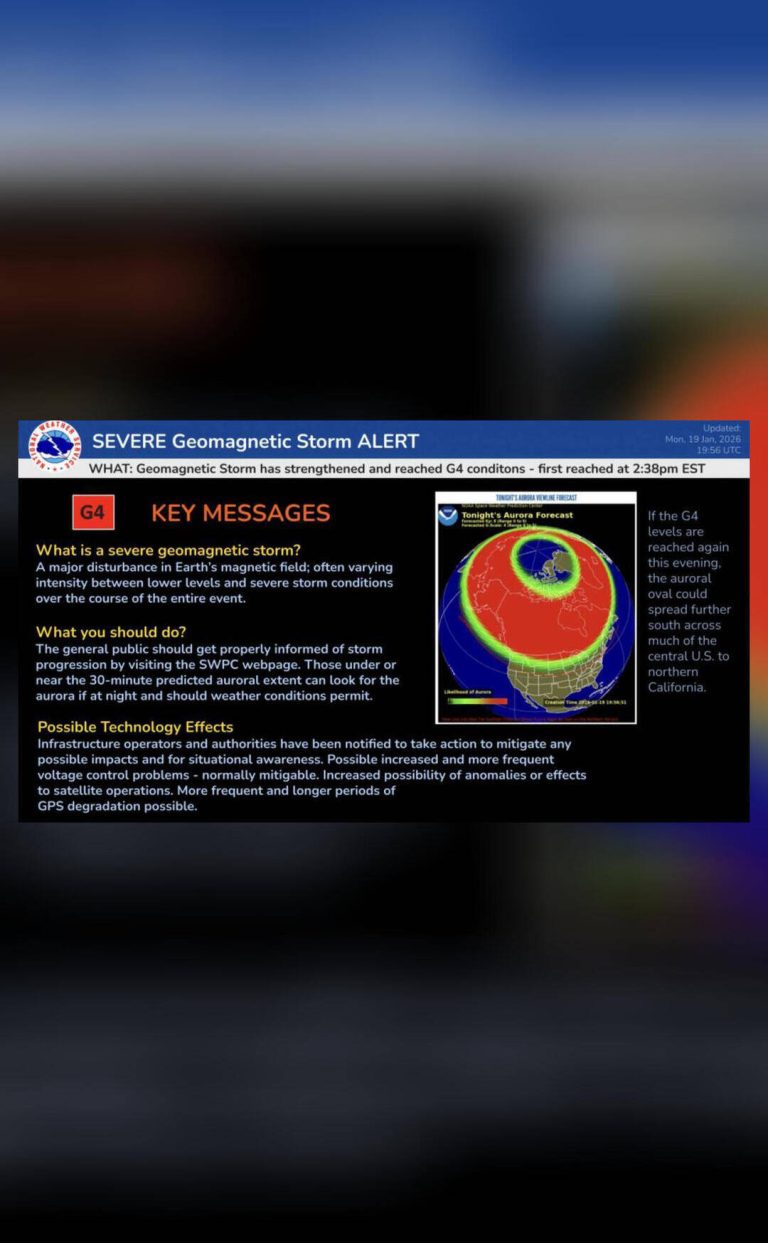
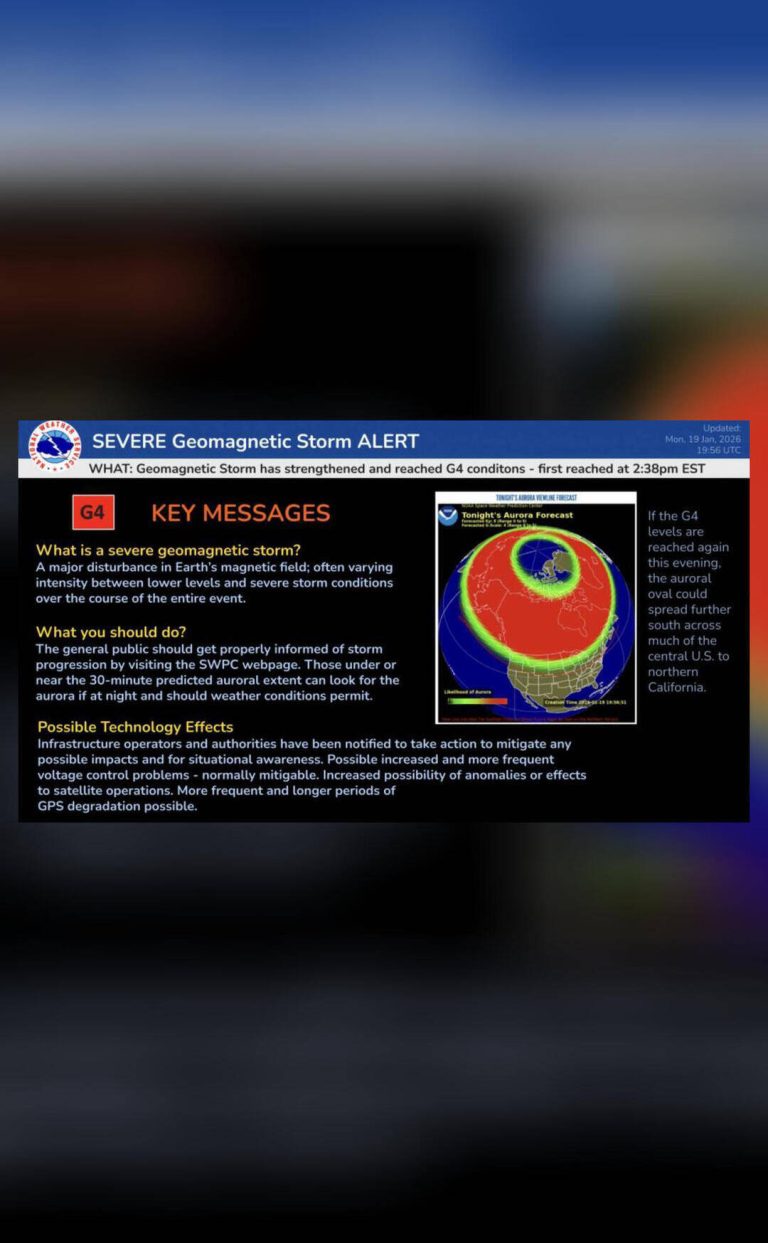
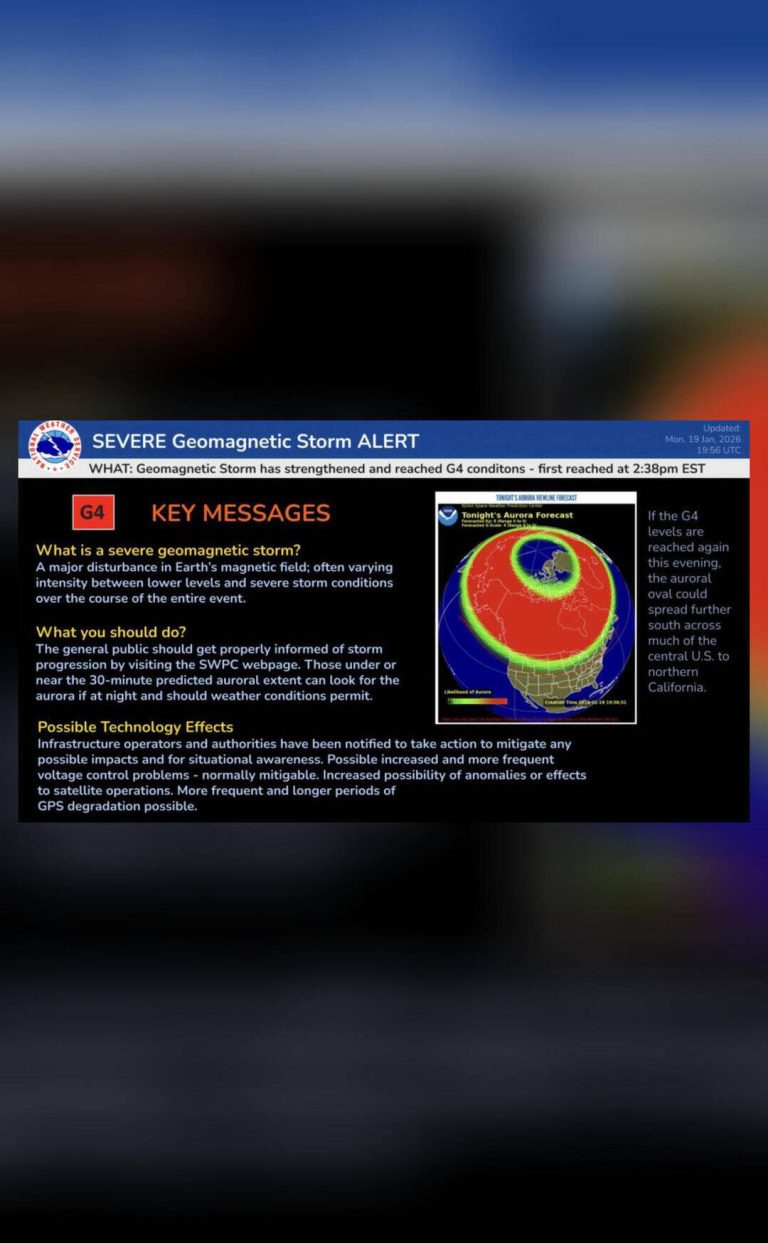
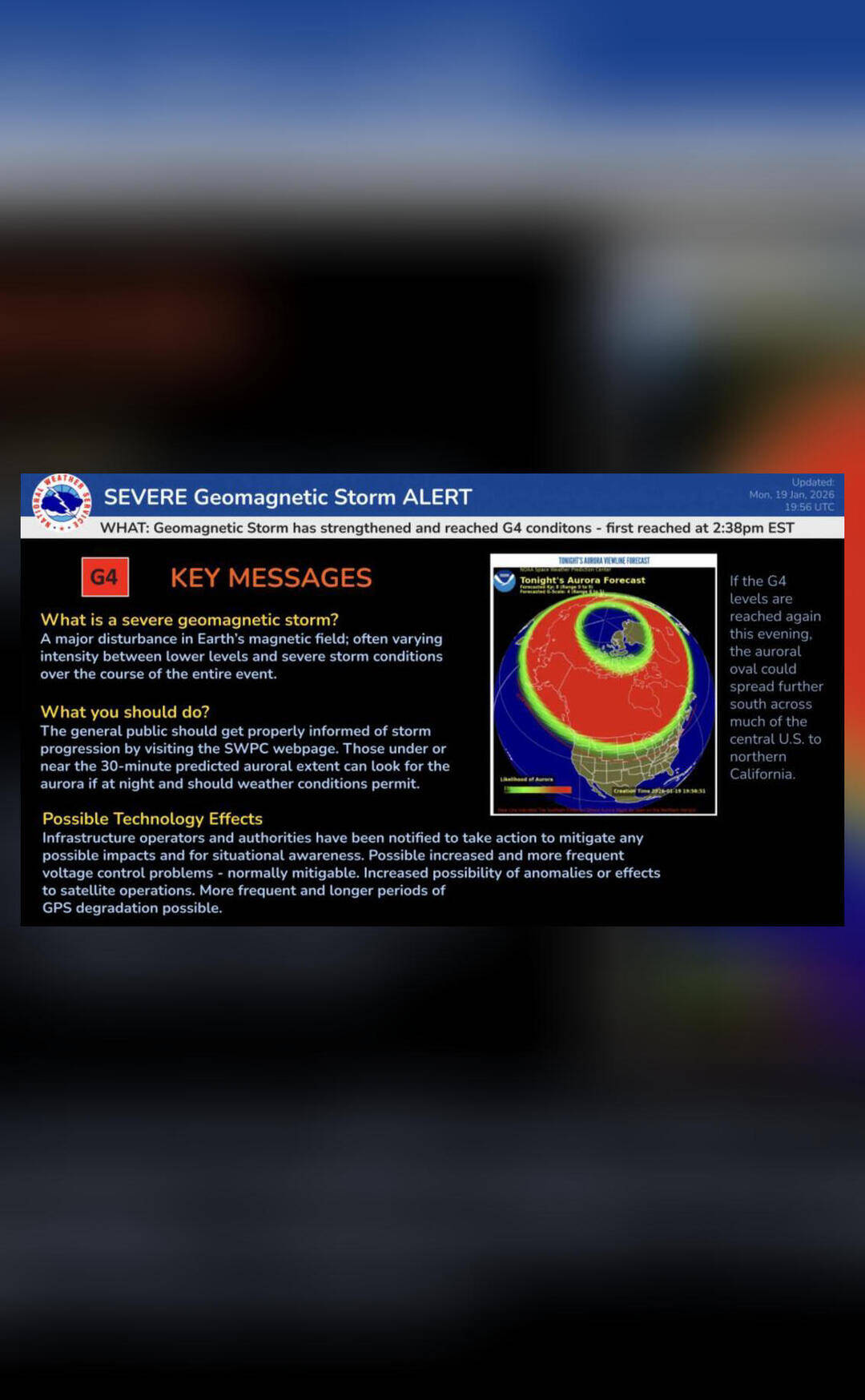
A powerful solar storm hit the Earth on Monday evening and early Tuesday morning, creating dazzling auroral displays at several locations across the globe. The largest solar storm in over 20 years, it is expected to have a significant impact on our planet’s magnetic field, potentially disrupting satellite-based communications and GPS accuracy. This phenomenon is a reminder of the awe-inspiring power of the sun and the importance of monitoring space weather.
The solar storm, which was classified as a G5-level geomagnetic storm, is the strongest to hit the Earth in over two decades. It was triggered by a massive coronal mass ejection (CME) from the sun, which released a huge amount of energy and plasma into space. This energy was then absorbed by the Earth’s magnetic field, causing it to oscillate and resulting in the spectacular auroral displays.
Aurorae, also known as the northern or southern lights, are a natural phenomenon that occurs when charged particles from the sun interact with the Earth’s magnetic field and atmosphere. The resulting displays can be breathtaking, with vibrant colors and patterns dancing across the sky. During the recent solar storm, aurorae were visible at lower latitudes than usual, allowing people in areas that do not normally experience this phenomenon to witness its beauty.
However, the solar storm is not just a spectacle; it also has the potential to cause disruptions to our technological systems. Satellite-based communications, such as GPS and satellite TV, may be affected, as the increased radiation from the sun can interfere with signal reception. This could lead to errors in navigation and communication, which could have significant consequences for industries such as aviation and maritime.
In addition to disrupting satellite communications, the solar storm could also pose a risk to passengers on flights that travel polar routes. Solar radiation storms can cause increased radiation exposure risks, particularly for people flying at high altitudes. This is because the Earth’s magnetic field provides less protection against radiation at higher latitudes, and the increased radiation from the sun can penetrate the atmosphere and aircraft.
The impact of the solar storm on GPS accuracy is also a concern. GPS relies on a network of satellites orbiting the Earth, which provide location information to receivers on the ground. However, during a solar storm, the increased radiation can cause signal delays and errors, leading to inaccuracies in GPS readings. This could have significant consequences for industries such as transportation, logistics, and emergency services, which rely heavily on GPS technology.
The solar storm also highlights the importance of monitoring space weather. Space weather refers to the dynamic and variable conditions in the space environment, including solar and geomagnetic activity. Monitoring space weather allows us to predict and prepare for potential disruptions to our technological systems, as well as to mitigate the risks associated with radiation exposure.
In recent years, there has been an increasing focus on space weather monitoring, with the development of new technologies and models to predict and track solar activity. The National Oceanic and Atmospheric Administration (NOAA) and the National Weather Service (NWS) provide regular updates on space weather conditions, including forecasts and warnings for potential disruptions.
In conclusion, the largest solar storm in over 20 years has hit the Earth, creating dazzling auroral displays and potentially disrupting satellite-based communications and GPS accuracy. While the storm is a reminder of the awe-inspiring power of the sun, it also highlights the importance of monitoring space weather and preparing for potential disruptions to our technological systems. As we continue to rely more heavily on technology, it is essential that we prioritize space weather monitoring and develop strategies to mitigate the risks associated with solar activity.
Source: https://x.com/RT_com/status/2013348883477233817
About the Author