Largest Solar Storm in Over 20 Years Hits Earth
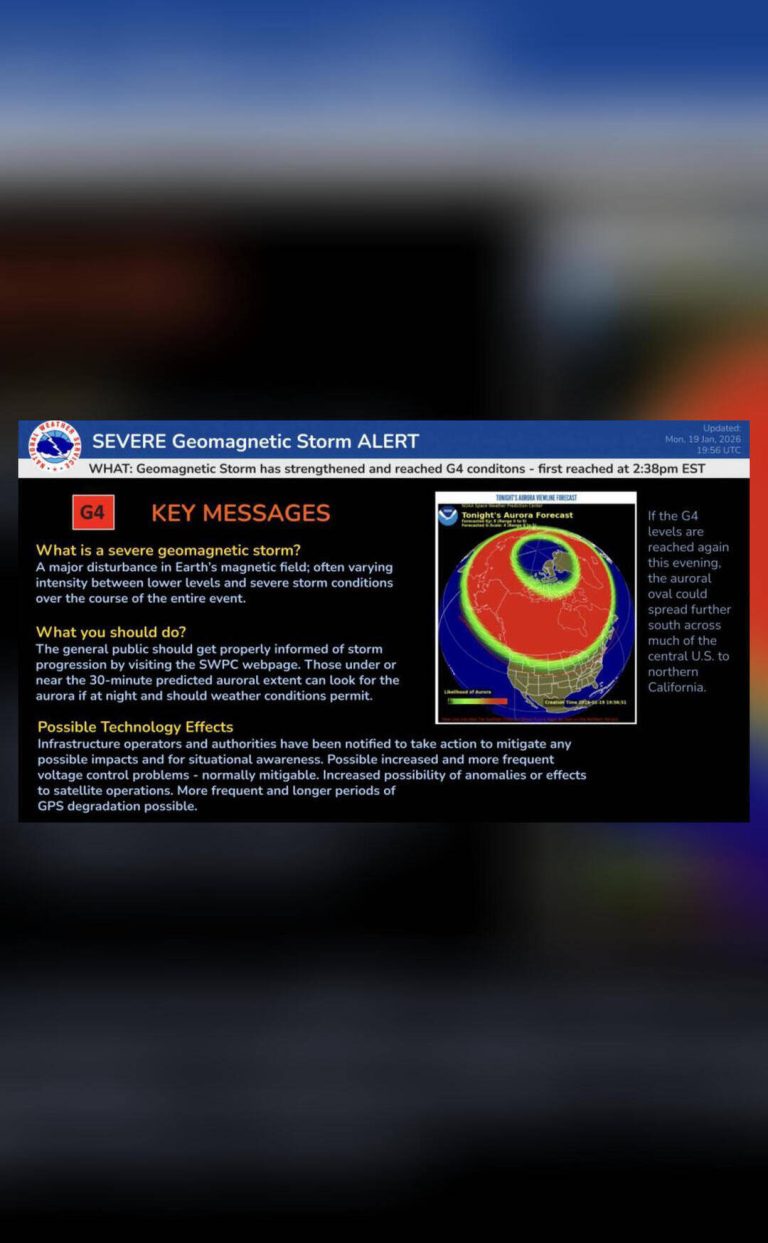
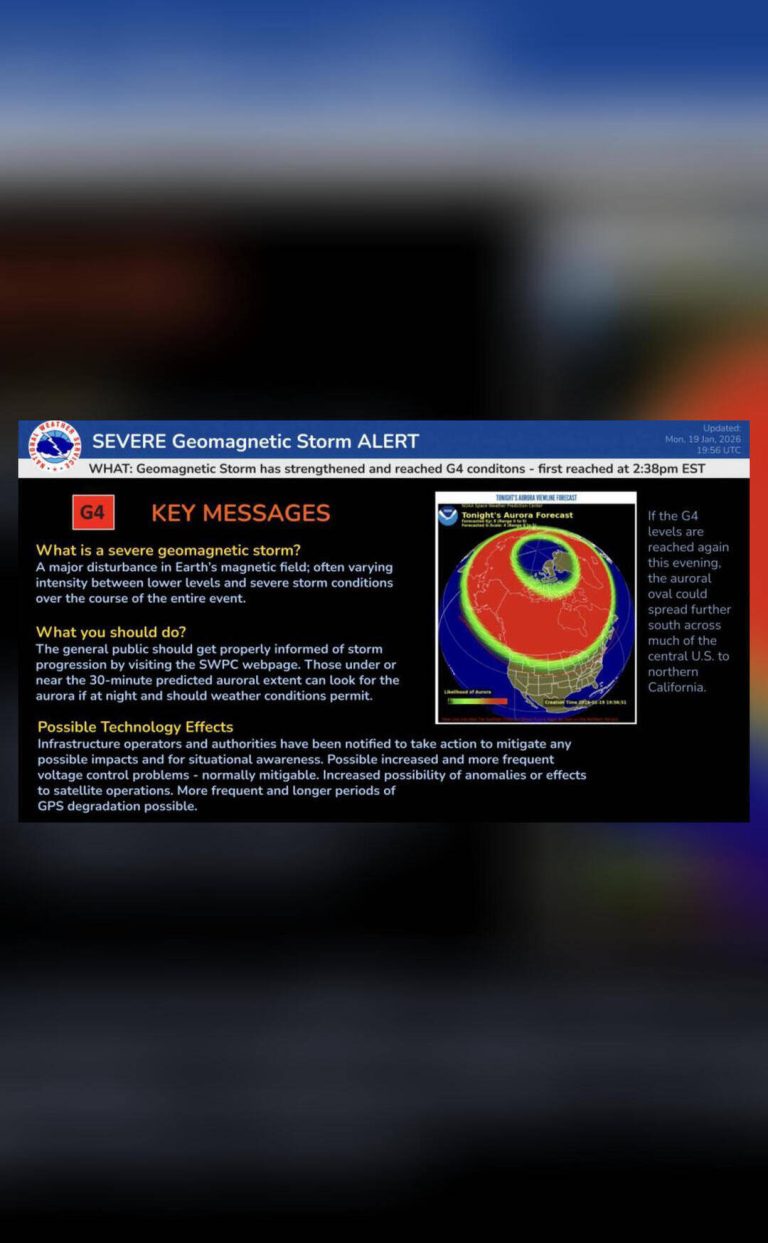
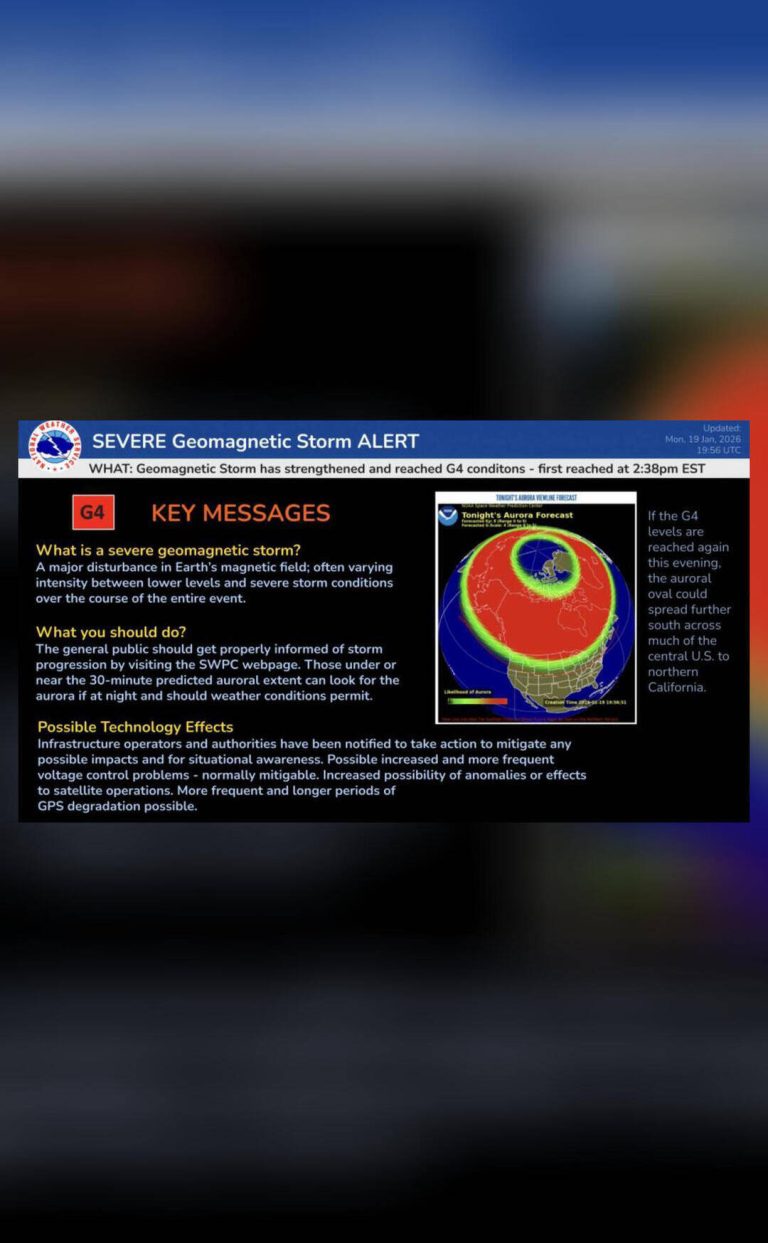
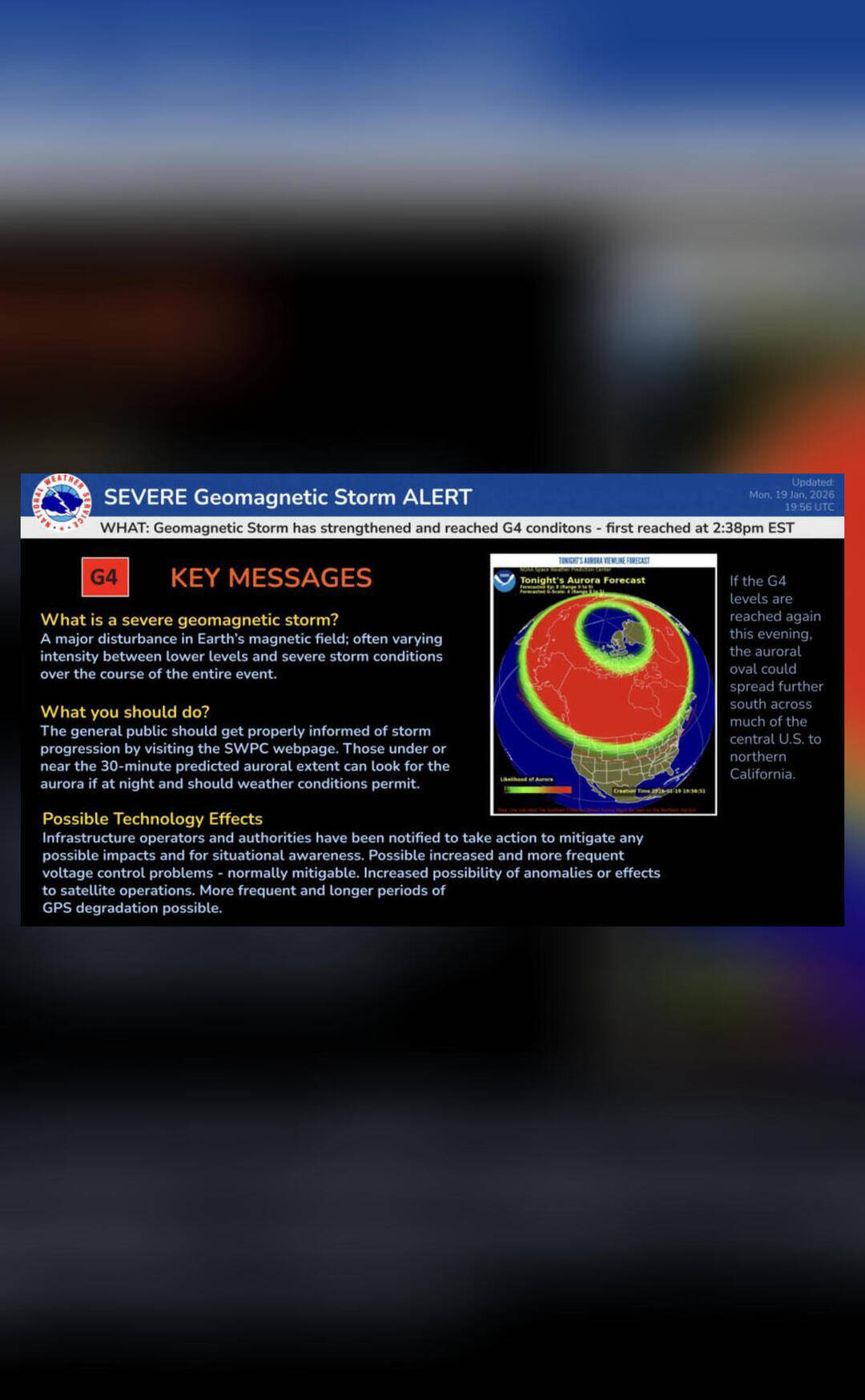
A powerful solar storm hit the Earth on Monday evening and early Tuesday morning, creating dazzling auroral displays at several locations across the globe. This phenomenon, which is the largest solar storm in over 20 years, has the potential to disrupt satellite-based communications and GPS accuracy, posing significant challenges to our technological infrastructure. In this blog post, we will delve into the details of the solar storm, its effects on our planet, and the potential risks associated with it.
The solar storm, which was caused by a massive burst of energy released from the sun, has been categorized as a G5-level geomagnetic storm, the highest level on the NOAA’s space weather prediction center’s scale. This level of storm is known to cause significant disruptions to communication systems, power grids, and other technological infrastructure. The storm’s impact was felt across the globe, with reports of stunning auroral displays in the northernmost parts of the United States, Canada, and Europe.
The auroral displays, which were visible in the sky, were a result of the solar storm’s interaction with the Earth’s magnetic field. The charged particles from the sun interacted with the Earth’s atmosphere, causing the atoms and molecules to excited, resulting in the spectacular display of colored lights. The display was a treat for sky gazers and photographers, who took to social media to share their experiences and photos of the breathtaking phenomenon.
However, the solar storm’s impact goes beyond the aesthetic displays in the sky. The storm has the potential to disrupt satellite-based communications, including GPS, satellite television, and radio communications. The increased radiation from the sun can cause satellite signals to degrade, resulting in loss of signal or inaccurate readings. This can have significant implications for industries that rely heavily on satellite-based communications, such as aviation, maritime, and logistics.
The solar storm also poses risks to passengers on flights that are traveling polar routes. Solar radiation storms can cause increased radiation exposure risks for passengers and crew on these flights, as the Earth’s magnetic field provides less protection at higher altitudes. Airlines have been advised to take necessary precautions to minimize the risks, including flying at lower altitudes and providing passengers with information on the potential risks.
The solar storm’s impact on power grids is also a concern. The increased electromagnetic energy from the sun can cause power grids to malfunction, resulting in power outages and disruptions to critical infrastructure. Utility companies have been put on high alert, with many taking proactive measures to mitigate the risks and ensure a stable power supply.
The solar storm is a reminder of the awe-inspiring power of the sun and the potential risks associated with space weather. As our reliance on technology increases, it is essential that we take necessary precautions to mitigate the risks associated with space weather events. This includes investing in research and development of technologies that can help us better predict and prepare for these events.
In conclusion, the largest solar storm in over 20 years has hit the Earth, causing dazzling auroral displays and posing significant risks to our technological infrastructure. As we continue to rely on technology to navigate our daily lives, it is essential that we take necessary precautions to mitigate the risks associated with space weather events. By investing in research and development and taking proactive measures to prepare for these events, we can minimize the disruptions and ensure a stable and secure technological infrastructure.
Source: https://x.com/RT_com/status/2013348883477233817
About the Author