Largest Solar Storm in Over 20 Years Hits Earth
A powerful solar storm hit the Earth on Monday evening and early Tuesday morning, creating dazzling auroral displays at several locations across the globe. This geomagnetic storm, which is the largest to affect our planet in over 20 years, is not only a breathtaking spectacle but also has the potential to disrupt satellite-based communications and GPS accuracy. As a result, it has sparked widespread interest and concern among scientists, policymakers, and the general public.
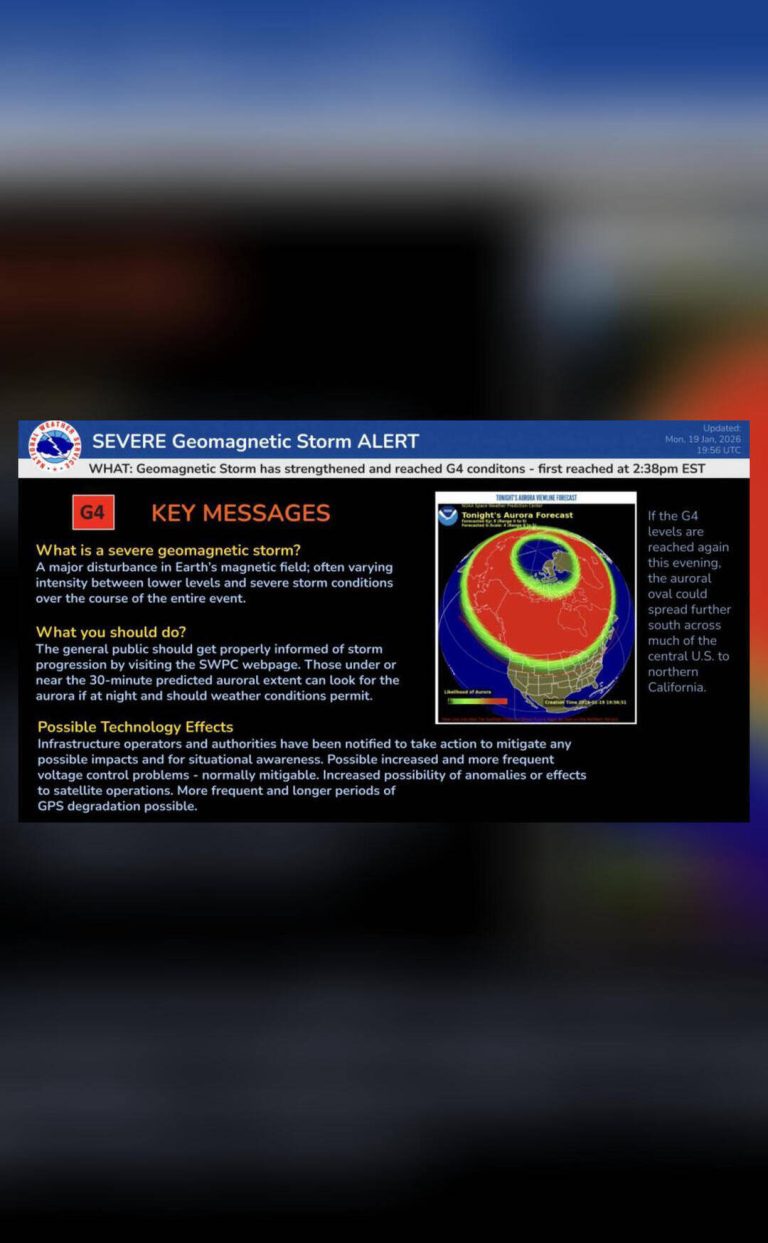
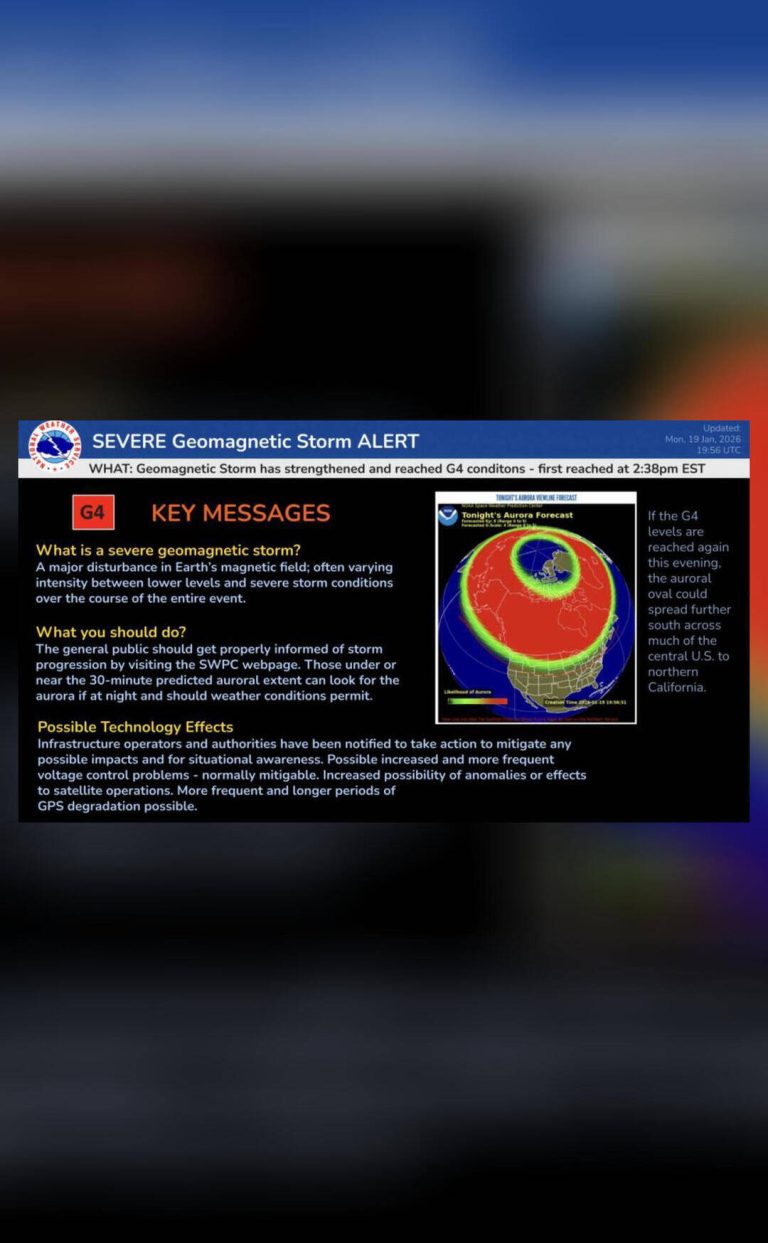
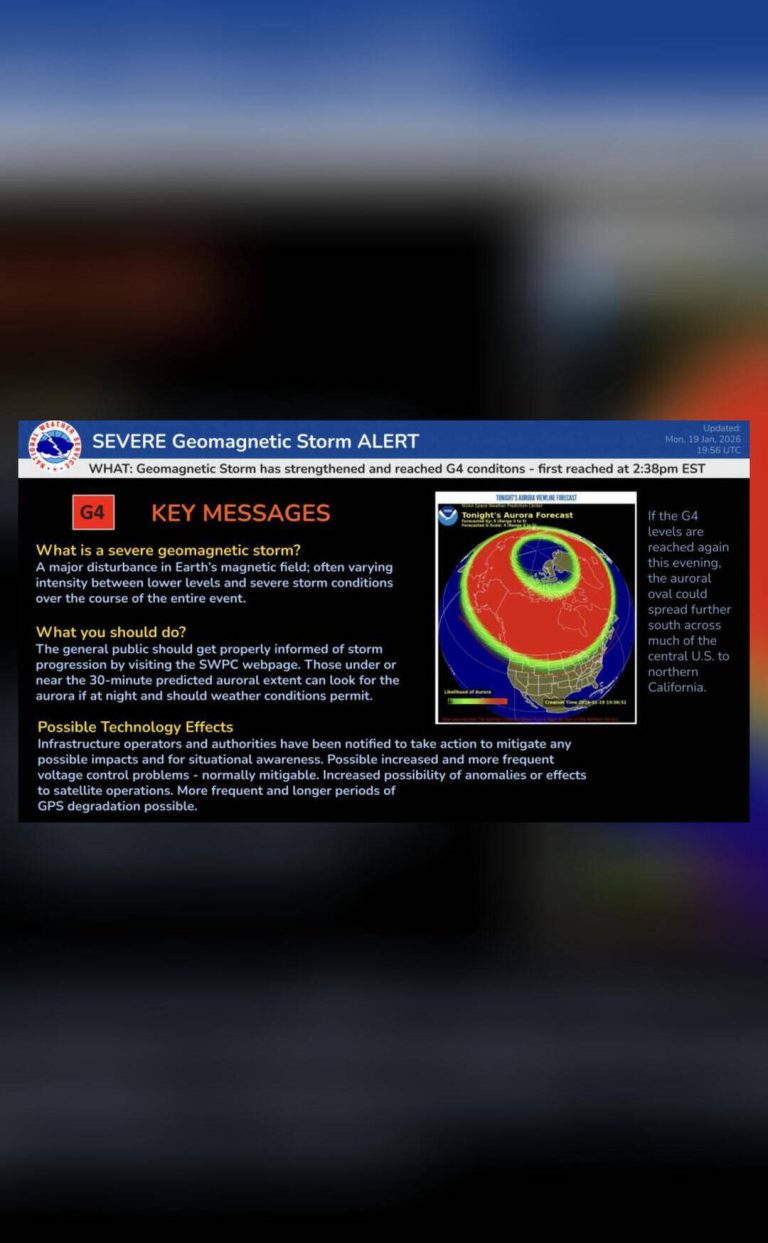
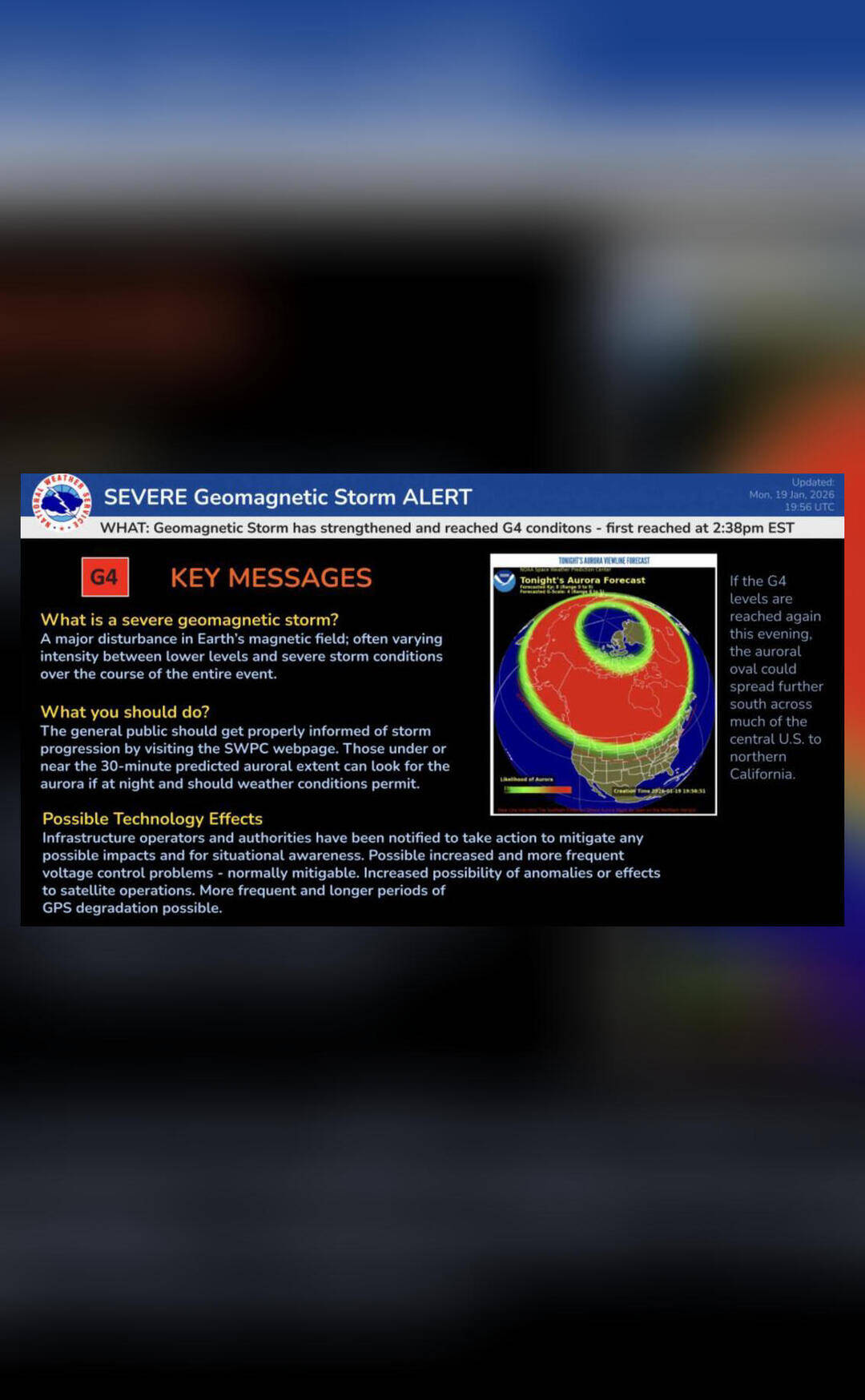
The solar storm, which is a coronal mass ejection (CME) from the sun, was detected by NASA’s Deep Space Climate Observatory (DSCOVR) and the National Weather Service’s Space Weather Prediction Center (SWPC). According to the SWPC, the storm is a G5-level geomagnetic storm, which is the highest level on the NOAA scale. This means that it has the potential to cause significant disruptions to communication systems, power grids, and other technologies that rely on satellite-based navigation.
One of the most striking effects of the solar storm is the spectacular auroral displays that it has created. The aurora borealis, also known as the northern lights, has been visible in the northernmost parts of the United States, Canada, and Europe, while the aurora australis, or southern lights, has been visible in the southernmost parts of Australia, New Zealand, and South America. These displays have been reported by thousands of people on social media, with many sharing stunning photos and videos of the colorful lights dancing across the night sky.
However, the solar storm is not just a beautiful sight to behold; it also has the potential to cause significant disruptions to our daily lives. One of the main concerns is the impact on satellite-based communications, including GPS, satellite TV, and radio communications. The solar storm can cause signal delays and disruptions, which can affect the accuracy of GPS navigation systems and other communication technologies. This can be particularly problematic for industries such as aviation, maritime, and transportation, which rely heavily on satellite-based navigation.
Another concern is the increased radiation exposure risks for passengers on flights that are traveling polar routes. Solar radiation storms can cause increased radiation levels at high altitudes, which can pose a risk to both passengers and crew members. Airlines have been advised to take precautions to minimize exposure, such as flying at lower altitudes or taking alternate routes.
The solar storm has also sparked concerns about the potential impact on power grids and other critical infrastructure. While the likelihood of a widespread power outage is low, the solar storm can cause voltage fluctuations and other electrical disturbances that can affect the stability of the grid. Utilities and grid operators have been put on high alert to monitor the situation and take precautions to prevent any disruptions.
The scientific community has been closely monitoring the solar storm, with researchers from NASA, the National Oceanic and Atmospheric Administration (NOAA), and other organizations working together to track its progress and predict its impact. The storm is expected to continue affecting the Earth’s magnetic field over the next few days, with the possibility of additional auroral displays and disruptions to communication systems.
In conclusion, the largest solar storm in over 20 years has hit the Earth, causing breathtaking auroral displays and potentially disrupting satellite-based communications and GPS accuracy. While the storm is a significant event, it is also a reminder of the awe-inspiring power of the sun and the importance of monitoring and preparing for space weather events. As scientists and policymakers continue to monitor the situation, it is essential to stay informed and take precautions to minimize the impact of the solar storm on our daily lives.
Source: https://x.com/RT_com/status/2013348883477233817
About the Author