ISRO begins countdown for 1st launch of 2026 with PSLV-C62 mission
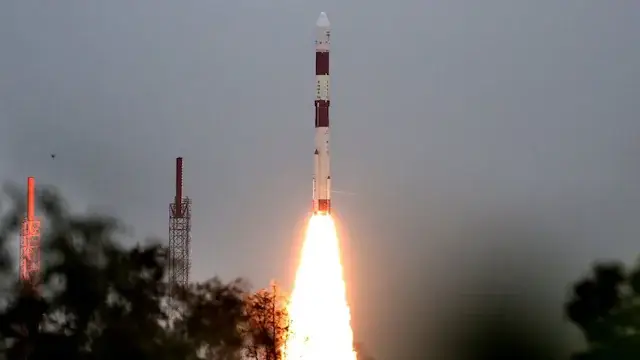
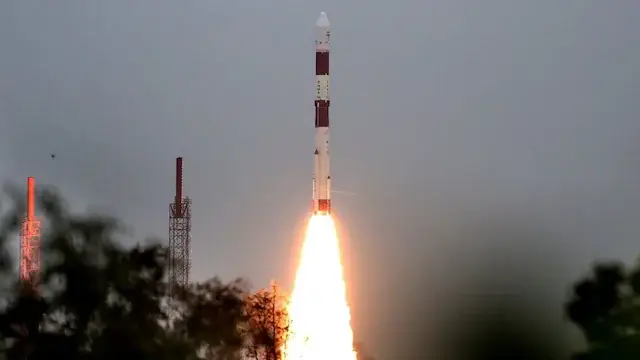
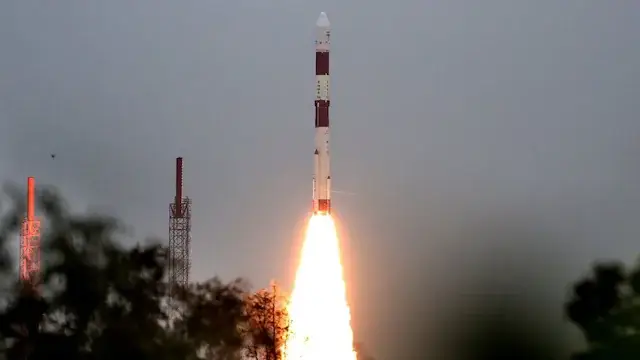
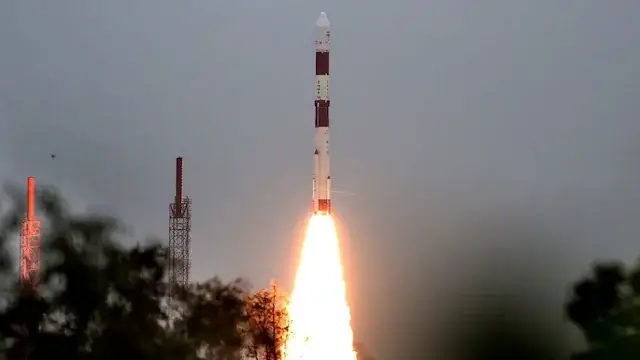
The Indian Space Research Organisation (ISRO) has commenced a 22-hour countdown at 12.48 pm for its first launch mission of 2026, ‘PSLV-C62/EOS-N1’. This highly anticipated mission marks the beginning of a new year of space exploration for India, and it’s expected to be a significant one. The PSLV rocket will place the EOS-N1 Earth observation satellite and 15 co-passenger satellites into orbit, demonstrating ISRO’s capabilities in launching multiple satellites in a single mission.
The PSLV (Polar Satellite Launch Vehicle) is ISRO’s workhorse launch vehicle, which has completed 63 flights, including notable missions like Chandrayaan-1. It holds the record for launching 104 satellites in a single mission, showcasing its reliability and versatility. The PSLV has been instrumental in launching various satellites for Earth observation, navigation, and communication, making it a crucial part of India’s space program.
The EOS-N1 Earth observation satellite is the primary payload of the PSLV-C62 mission. It is designed to provide high-resolution images of the Earth’s surface, which will be used for various applications such as land use mapping, crop monitoring, and disaster management. The satellite is equipped with advanced sensors and cameras that will enable it to capture detailed images of the Earth’s surface, even in cloudy or hazy conditions.
In addition to the EOS-N1 satellite, the PSLV-C62 mission will also launch 15 co-passenger satellites. These satellites belong to various countries, including the United States, Japan, and Australia, and will be used for a range of purposes, including technology demonstration, Earth observation, and communication. The co-passenger satellites will be launched into orbit along with the EOS-N1 satellite, demonstrating ISRO’s capabilities in launching multiple satellites in a single mission.
The PSLV-C62 mission is significant not only because it marks the first launch of 2026 but also because it demonstrates India’s growing capabilities in space technology. The mission is a testament to the hard work and dedication of the ISRO team, which has been working tirelessly to develop and launch new satellites and rockets.
ISRO has been at the forefront of space technology in recent years, with several notable missions, including the Chandrayaan-1 and Mangalyaan missions. The Chandrayaan-1 mission, which was launched in 2008, was India’s first lunar mission, and it marked a significant milestone in the country’s space program. The Mangalyaan mission, which was launched in 2013, was India’s first interplanetary mission, and it demonstrated the country’s capabilities in launching spacecraft to other planets.
The PSLV-C62 mission is expected to be a successful one, given the track record of the PSLV rocket and the experience of the ISRO team. The mission will be closely watched by space enthusiasts and experts around the world, who will be eager to see the outcome of the launch.
In conclusion, the ISRO has begun the countdown for its first launch mission of 2026, the PSLV-C62/EOS-N1 mission. The mission marks the beginning of a new year of space exploration for India and demonstrates the country’s growing capabilities in space technology. The PSLV rocket will place the EOS-N1 Earth observation satellite and 15 co-passenger satellites into orbit, showcasing ISRO’s capabilities in launching multiple satellites in a single mission.
News Source: https://x.com/PTI_News/status/2010285538843173209
About the Author