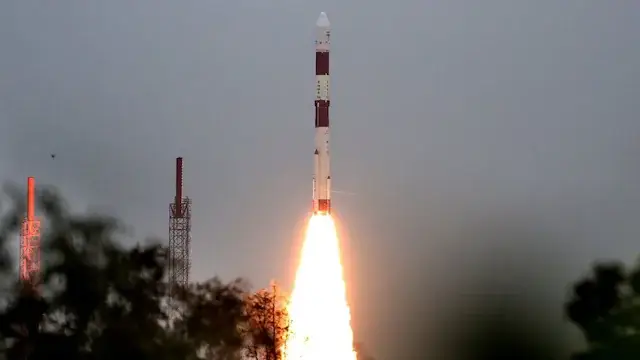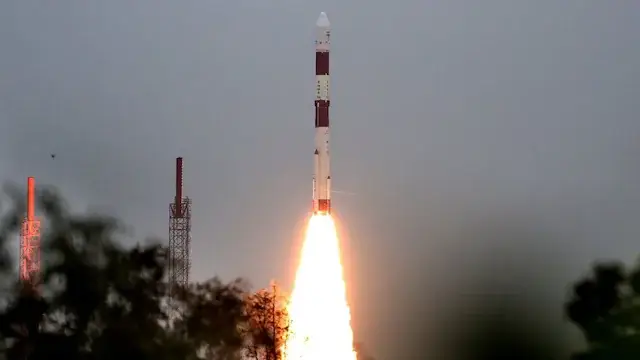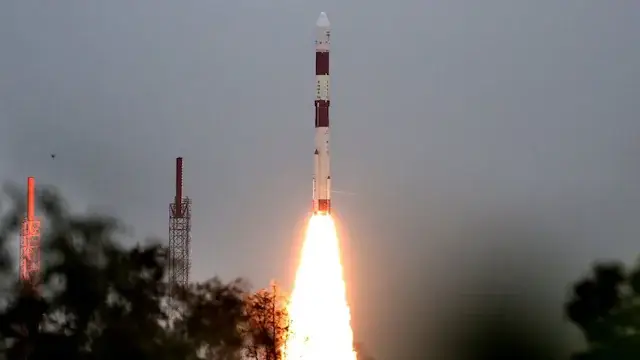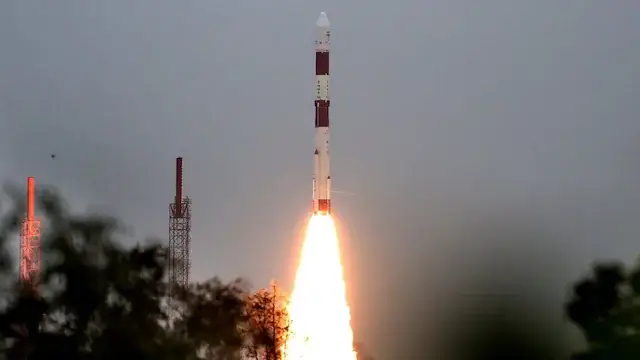
ISRO begins countdown for 1st launch of 2026 with PSLV-C62 mission
The Indian Space Research Organisation (ISRO) has commenced the countdown for its first launch mission of 2026, marking the beginning of a new year in space exploration for the country. The 22-hour countdown began at 12.48 pm for the PSLV-C62 mission, which will see the launch of the EOS-N1 Earth observation satellite and 15 co-passenger satellites into orbit. This mission is a significant milestone for ISRO, as it showcases the organisation’s continued commitment to advancing India’s space programme.
The PSLV-C62 mission will utilise ISRO’s workhorse launch vehicle, the Polar Satellite Launch Vehicle (PSLV), which has established itself as a reliable and efficient launch system. With a proven track record of 63 flights, the PSLV has been instrumental in launching numerous satellites into orbit, including notable missions like Chandrayaan-1, India’s first lunar mission. The PSLV holds the record for launching 104 satellites in a single mission, demonstrating its capabilities as a versatile and dependable launch vehicle.
The primary payload of the PSLV-C62 mission is the EOS-N1 Earth observation satellite, which is designed to provide high-resolution images of the Earth’s surface. The satellite will be equipped with advanced sensors and cameras, enabling it to capture detailed images of the Earth’s surface, which will be used for various applications such as land use mapping, crop monitoring, and disaster management. The EOS-N1 satellite will play a crucial role in supporting India’s national development goals, particularly in the areas of agriculture, urban planning, and environmental monitoring.
In addition to the EOS-N1 satellite, the PSLV-C62 mission will also carry 15 co-passenger satellites into orbit. These satellites are from various countries, including the United States, Israel, and the United Kingdom, and will be used for a range of purposes, including technology demonstration, Earth observation, and communication. The co-passenger satellites will be launched into a sun-synchronous orbit, which will enable them to maintain a consistent orbit and provide continuous coverage of the Earth’s surface.
The PSLV-C62 mission is a significant milestone for ISRO, as it marks the organisation’s first launch of 2026. The mission demonstrates ISRO’s continued commitment to advancing India’s space programme, which has been a key priority for the government. The success of the PSLV-C62 mission will pave the way for future launches, including the upcoming GSLV-Mk III mission, which will carry the GSAT-20 satellite into orbit.
The GSLV-Mk III is a heavy-lift launch vehicle, which is capable of carrying payloads of up to 4,000 kg into geosynchronous transfer orbit. The GSAT-20 satellite is a high-throughput communication satellite, which will provide broadband services to rural and remote areas of India. The GSAT-20 satellite is a key component of the Indian government’s Digital India initiative, which aims to provide universal access to broadband services across the country.
The PSLV-C62 mission is also significant, as it marks the continued collaboration between ISRO and international space agencies. The co-passenger satellites on board the PSLV-C62 mission are from various countries, demonstrating the global nature of space exploration and the importance of international cooperation. The mission highlights the growing trend of international collaboration in space exploration, which is driven by the need for shared resources, expertise, and risk management.
In recent years, ISRO has emerged as a major player in the global space industry, with a reputation for reliability, efficiency, and cost-effectiveness. The organisation has launched numerous satellites into orbit, including commercial satellites, navigation satellites, and scientific satellites. ISRO’s capabilities in space exploration have also been recognised by international space agencies, which have partnered with the organisation on various missions.
The success of the PSLV-C62 mission will be a significant achievement for ISRO, as it demonstrates the organisation’s continued commitment to advancing India’s space programme. The mission will also pave the way for future launches, including the upcoming GSLV-Mk III mission, which will carry the GSAT-20 satellite into orbit. As India continues to advance its space programme, it is likely that ISRO will play an increasingly important role in the global space industry, with a focus on collaboration, innovation, and exploration.
In conclusion, the PSLV-C62 mission marks the beginning of a new year in space exploration for India, with a focus on advancing the country’s space programme. The mission demonstrates ISRO’s continued commitment to launching satellites into orbit, using its reliable and efficient PSLV launch vehicle. The success of the PSLV-C62 mission will pave the way for future launches, including the upcoming GSLV-Mk III mission, which will carry the GSAT-20 satellite into orbit. As India continues to advance its space programme, it is likely that ISRO will emerge as a major player in the global space industry, with a reputation for reliability, efficiency, and cost-effectiveness.
News Source: https://x.com/PTI_News/status/2010285538843173209
About the Author