ISRO begins countdown for 1st launch of 2026 with PSLV-C62 mission
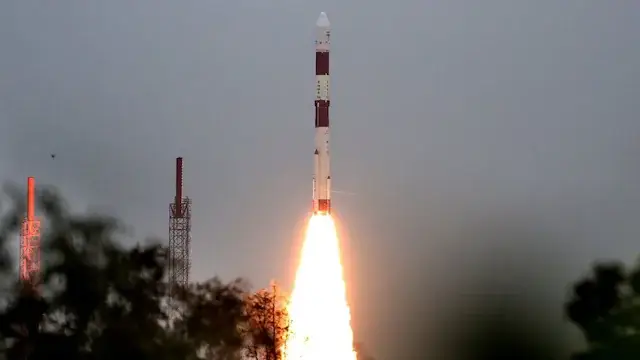
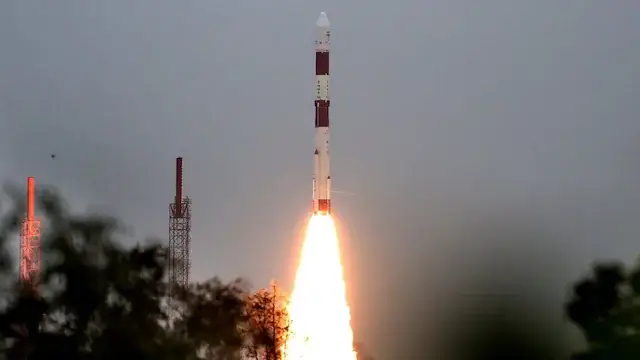
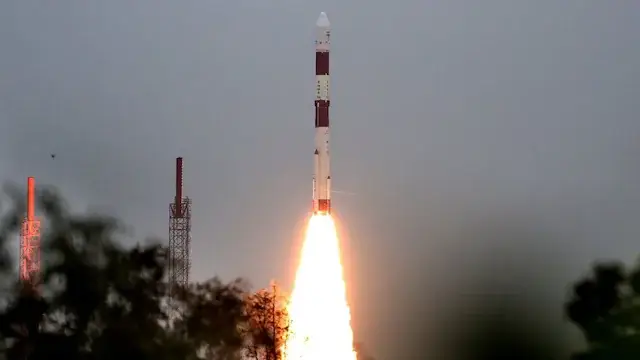
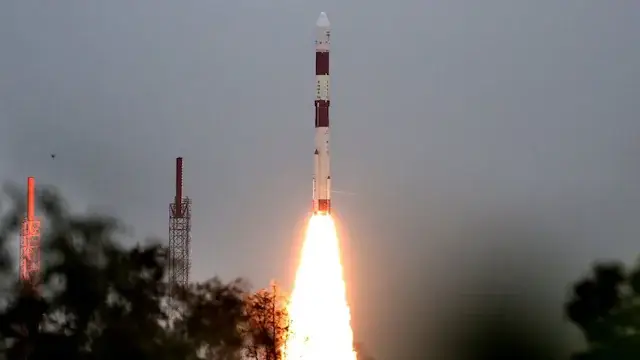
The Indian Space Research Organisation (ISRO) has commenced a 22-hour countdown at 12.48 pm for its first launch mission of 2026, ‘PSLV-C62/EOS-N1’. This mission marks the beginning of a new year for ISRO, with the PSLV rocket set to place the EOS-N1 Earth observation satellite and 15 co-passenger satellites into orbit. The PSLV, or Polar Satellite Launch Vehicle, is ISRO’s workhorse launch vehicle, which has completed 63 flights, including notable missions like Chandrayaan-1. It holds the record for launching 104 satellites in a single mission, a testament to its reliability and versatility.
The PSLV-C62 mission is a significant one, as it will carry the EOS-N1 Earth observation satellite, which is designed to provide high-resolution images of the Earth’s surface. The satellite will be used for a variety of applications, including agriculture, forestry, and disaster management. In addition to the EOS-N1 satellite, the PSLV rocket will also carry 15 co-passenger satellites, which will be launched into orbit along with the primary payload. These co-passenger satellites are from various countries, including the United States, Israel, and the United Kingdom, and will be used for a range of purposes, including technology demonstration, Earth observation, and communication.
The PSLV rocket is a highly reliable launch vehicle, with a success rate of over 95%. It has been used for a wide range of missions, including the launch of India’s first lunar mission, Chandrayaan-1, in 2008. The PSLV has also been used to launch several other notable missions, including the Mars Orbiter Mission, also known as Mangalyaan, in 2013. The PSLV’s ability to launch multiple satellites into orbit in a single mission has made it a popular choice for satellite operators around the world.
The EOS-N1 Earth observation satellite is a significant payload for the PSLV-C62 mission. The satellite is designed to provide high-resolution images of the Earth’s surface, with a resolution of up to 10 meters. The satellite will be used for a variety of applications, including agriculture, forestry, and disaster management. The satellite’s high-resolution images will allow scientists to study the Earth’s surface in detail, and will provide valuable information for a range of applications, including crop monitoring, deforestation tracking, and disaster response.
In addition to the EOS-N1 satellite, the PSLV rocket will also carry 15 co-passenger satellites into orbit. These satellites are from various countries, including the United States, Israel, and the United Kingdom, and will be used for a range of purposes, including technology demonstration, Earth observation, and communication. The co-passenger satellites are a significant part of the PSLV-C62 mission, and will provide valuable opportunities for scientists and engineers to test new technologies and conduct scientific experiments.
The PSLV-C62 mission is a significant milestone for ISRO, as it marks the beginning of a new year for the organization. ISRO has a busy schedule of launches planned for 2026, including several high-profile missions, such as the Aditya-L1 solar mission and the Gaganyaan human spaceflight mission. The PSLV-C62 mission is an important step towards these missions, and will provide valuable experience and data for ISRO’s engineers and scientists.
The countdown for the PSLV-C62 mission has begun, and the rocket is set to launch at 12.48 pm on January 12, 2026. The launch will be broadcast live on ISRO’s website and social media channels, and will provide a unique opportunity for the public to witness the launch of a satellite into orbit. The PSLV-C62 mission is an exciting and significant event, and marks the beginning of a new year for ISRO.
In conclusion, the PSLV-C62 mission is a significant milestone for ISRO, and marks the beginning of a new year for the organization. The mission will carry the EOS-N1 Earth observation satellite and 15 co-passenger satellites into orbit, and will provide valuable opportunities for scientists and engineers to test new technologies and conduct scientific experiments. The PSLV rocket is a highly reliable launch vehicle, with a success rate of over 95%, and has been used for a wide range of missions, including the launch of India’s first lunar mission, Chandrayaan-1. The PSLV-C62 mission is an exciting and significant event, and will provide valuable experience and data for ISRO’s engineers and scientists.
News Source: https://x.com/PTI_News/status/2010285538843173209
About the Author