ISRO begins countdown for 1st launch of 2026 with PSLV-C62 mission
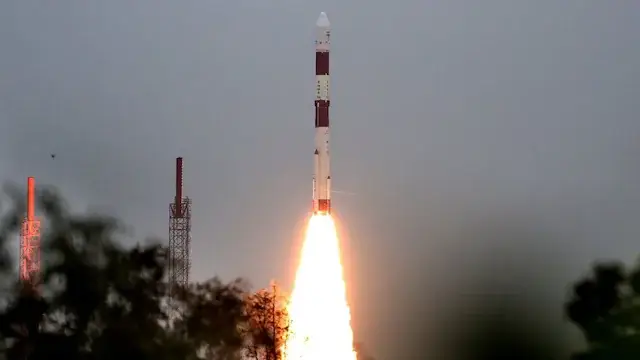
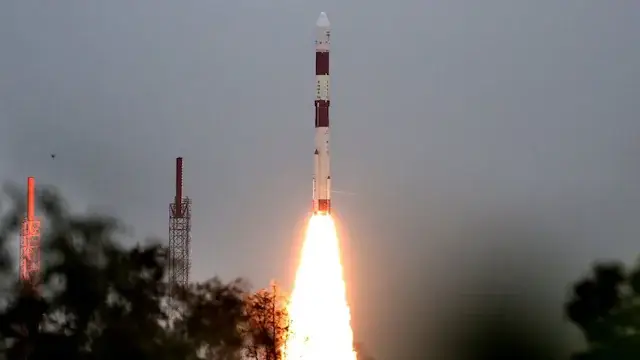
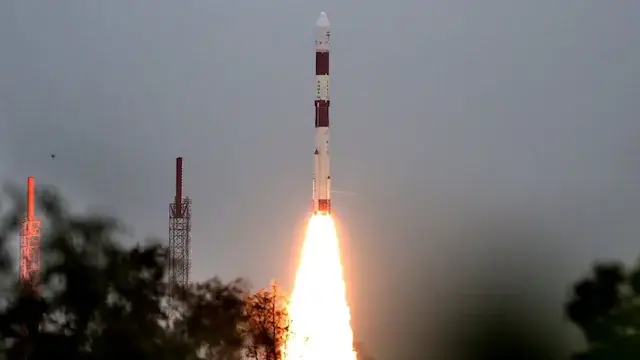
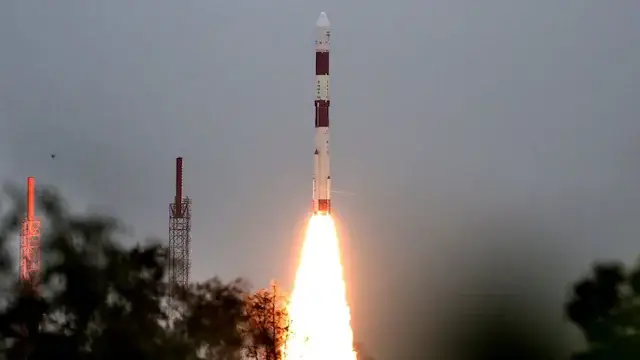
The Indian Space Research Organisation (ISRO) has commenced a 22-hour countdown at 12.48 pm for its first launch mission of 2026, ‘PSLV-C62/EOS-N1’. This mission marks the beginning of a new year of space exploration for India, and it is expected to be a significant one. The PSLV rocket will place the EOS-N1 Earth observation satellite and 15 co-passenger satellites into orbit, demonstrating the capabilities of India’s space program.
The PSLV rocket, which stands for Polar Satellite Launch Vehicle, is ISRO’s workhorse launch vehicle. It has completed 63 flights, including notable missions like Chandrayaan-1, which was India’s first lunar mission. The PSLV holds the record for launching 104 satellites in a single mission, showcasing its reliability and versatility. The PSLV-C62 mission is expected to be another successful launch, adding to the growing list of achievements by ISRO.
The EOS-N1 Earth observation satellite is the primary payload of the PSLV-C62 mission. It is designed to provide high-resolution images of the Earth’s surface, which can be used for a variety of applications such as agriculture, forestry, and disaster management. The satellite is equipped with advanced imaging instruments, including a high-resolution camera and a multispectral imager. These instruments will provide valuable data for scientists and researchers, helping them to better understand the Earth’s systems and processes.
In addition to the EOS-N1 satellite, the PSLV-C62 mission will also carry 15 co-passenger satellites into orbit. These satellites are from various countries, including the United States, Israel, and the United Kingdom. They will be used for a range of purposes, including technology demonstration, Earth observation, and communication. The co-passenger satellites are a significant aspect of the PSLV-C62 mission, as they demonstrate ISRO’s ability to provide launch services to international customers.
The PSLV-C62 mission is a significant milestone for ISRO, as it marks the beginning of a new year of space exploration. The mission is expected to be a success, and it will pave the way for future launches and missions. ISRO has a busy schedule of launches planned for 2026, including several high-profile missions such as the Chandrayaan-3 lunar mission and the Gaganyaan human spaceflight mission.
The Chandrayaan-3 mission is a follow-up to the Chandrayaan-1 mission, which was launched in 2008. The Chandrayaan-3 mission will include a lunar lander and a rover, which will be used to study the Moon’s surface and subsurface. The mission is expected to provide valuable insights into the Moon’s composition and geology, and it will help scientists to better understand the Moon’s history and evolution.
The Gaganyaan human spaceflight mission is another significant mission planned by ISRO for 2026. The mission will mark India’s first human spaceflight, and it will be a major milestone for the country’s space program. The Gaganyaan mission will include a crew of three astronauts, who will be launched into space aboard a GSLV Mk III rocket. The mission will be a significant step forward for India’s space program, and it will demonstrate the country’s capabilities in human spaceflight.
In conclusion, the PSLV-C62 mission is a significant milestone for ISRO, marking the beginning of a new year of space exploration. The mission is expected to be a success, and it will pave the way for future launches and missions. ISRO has a busy schedule of launches planned for 2026, including several high-profile missions such as the Chandrayaan-3 lunar mission and the Gaganyaan human spaceflight mission. These missions will demonstrate India’s capabilities in space exploration and will help to establish the country as a major player in the global space industry.
News Source: https://x.com/PTI_News/status/2010285538843173209
About the Author