ISRO begins countdown for 1st launch of 2026 with PSLV-C62 mission
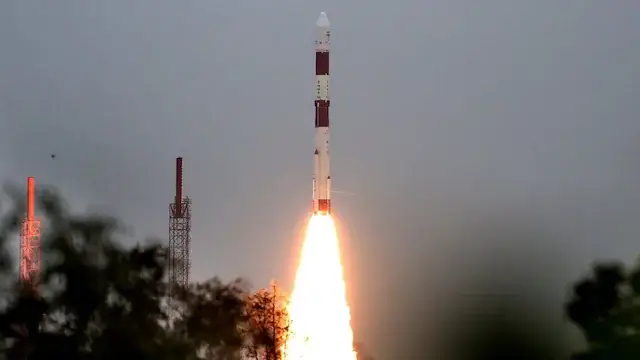
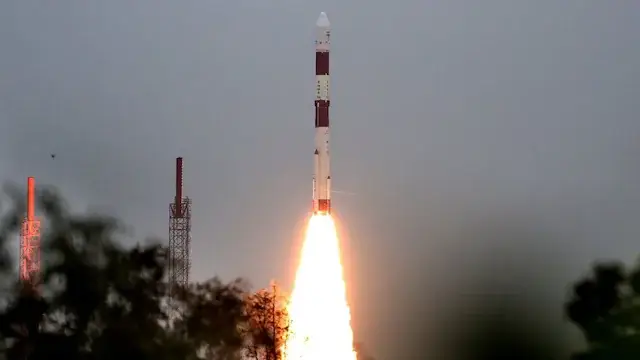
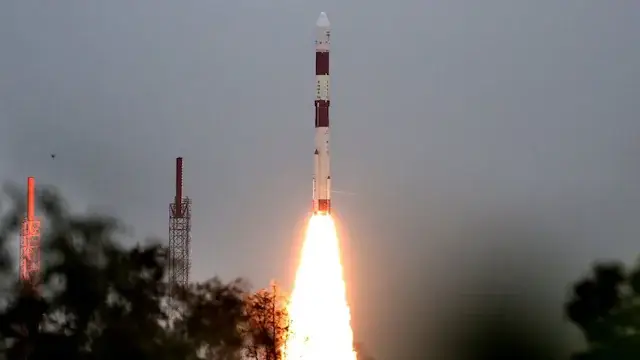
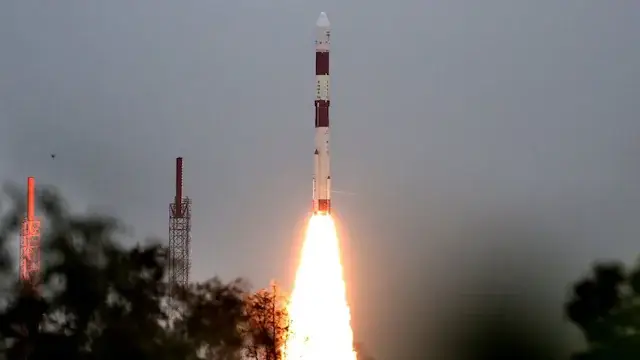
The Indian Space Research Organisation (ISRO) has commenced a 22-hour countdown at 12.48 pm for its first launch mission of 2026, ‘PSLV-C62/EOS-N1’. The PSLV rocket will place the EOS-N1 Earth observation satellite and 15 co-passenger satellites into orbit. This mission marks the beginning of a new year of space exploration and development for India, and it is expected to be a significant milestone in the country’s space program.
The PSLV rocket, which stands for Polar Satellite Launch Vehicle, is ISRO’s workhorse launch vehicle. It has completed 63 flights, including notable missions like Chandrayaan-1, which was India’s first lunar mission. The PSLV rocket holds the record for launching 104 satellites in a single mission, demonstrating its capabilities and reliability. The PSLV-C62 mission is expected to be another successful launch, showcasing India’s expertise in space technology and its ability to launch multiple satellites into orbit.
The EOS-N1 Earth observation satellite is the primary payload of the PSLV-C62 mission. It is designed to provide high-resolution images of the Earth’s surface, which will be used for various applications such as land use mapping, crop monitoring, and disaster management. The satellite will be placed into a sun-synchronous orbit, which will allow it to capture images of the Earth’s surface at the same time every day. This will provide valuable data for scientists, researchers, and policymakers to make informed decisions about the management of natural resources and the environment.
In addition to the EOS-N1 satellite, the PSLV-C62 mission will also carry 15 co-passenger satellites into orbit. These satellites are from various countries, including the United States, Israel, and the United Kingdom. They will be used for a variety of purposes, including communication, navigation, and scientific research. The co-passenger satellites will be placed into different orbits, depending on their specific requirements and mission objectives.
The PSLV-C62 mission is a significant milestone for India’s space program, as it marks the beginning of a new year of space exploration and development. The mission demonstrates India’s capabilities in launch vehicle technology, satellite design, and space-based applications. It also highlights the country’s commitment to using space technology for the benefit of society and the environment.
The PSLV rocket is a versatile launch vehicle that has been used for a variety of missions, including Earth observation, communication, navigation, and scientific research. It has a proven track record of success, with a high launch success rate and a reputation for reliability. The PSLV rocket is also cost-effective, making it an attractive option for satellite operators and space agencies around the world.
The PSLV-C62 mission is expected to be a significant boost to India’s space program, as it will demonstrate the country’s capabilities in launch vehicle technology and space-based applications. The mission will also provide valuable data and insights for scientists, researchers, and policymakers, which will be used to inform decision-making and policy development.
In conclusion, the ISRO has commenced a 22-hour countdown for its first launch mission of 2026, ‘PSLV-C62/EOS-N1’. The PSLV rocket will place the EOS-N1 Earth observation satellite and 15 co-passenger satellites into orbit, marking the beginning of a new year of space exploration and development for India. The mission demonstrates India’s capabilities in launch vehicle technology, satellite design, and space-based applications, and it highlights the country’s commitment to using space technology for the benefit of society and the environment.
The PSLV-C62 mission is a significant milestone for India’s space program, and it is expected to be a successful launch. The mission will provide valuable data and insights for scientists, researchers, and policymakers, and it will demonstrate India’s expertise in space technology. As India continues to advance its space program, it is expected to play a significant role in the global space industry, and the PSLV-C62 mission is an important step in this direction.
The success of the PSLV-C62 mission will depend on a variety of factors, including the performance of the PSLV rocket, the design and functionality of the EOS-N1 satellite, and the coordination and planning of the mission. However, given ISRO’s track record of success and its expertise in launch vehicle technology and space-based applications, it is expected that the mission will be a success.
As the world watches the PSLV-C62 mission with interest, it is clear that India’s space program is on the rise. The country has made significant advancements in space technology in recent years, and it is expected to continue to play a major role in the global space industry. The PSLV-C62 mission is an important milestone in this journey, and it is expected to be a significant boost to India’s space program.
In the coming years, India is expected to launch a variety of missions, including lunar and Mars missions, as well as missions to explore the outer reaches of the solar system. The PSLV-C62 mission is an important step in this direction, and it demonstrates India’s capabilities and expertise in launch vehicle technology and space-based applications.
As the countdown for the PSLV-C62 mission begins, the world waits with anticipation for the launch of the EOS-N1 Earth observation satellite and the 15 co-passenger satellites. The mission is expected to be a success, and it will mark the beginning of a new year of space exploration and development for India.
Source: https://x.com/PTI_News/status/2010285538843173209
About the Author