ISRO begins countdown for 1st launch of 2026 with PSLV-C62 mission
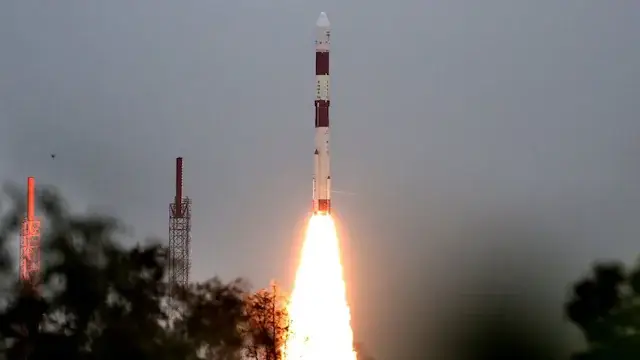
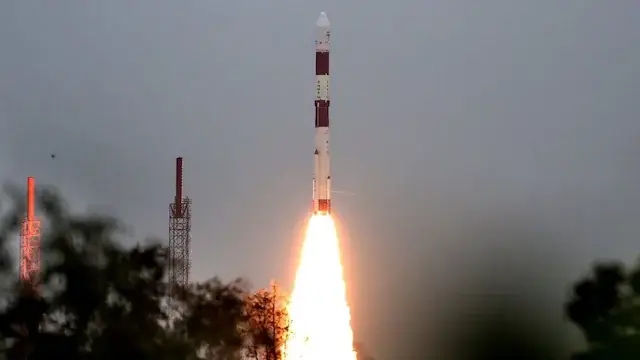
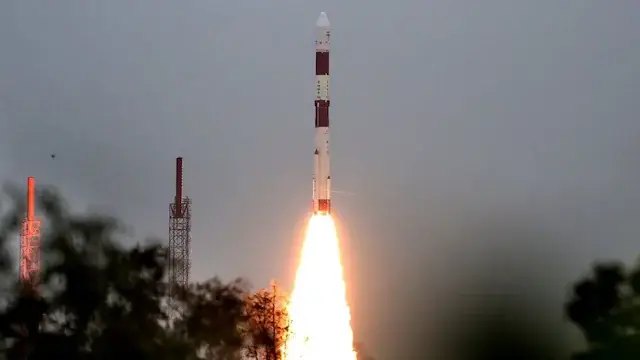
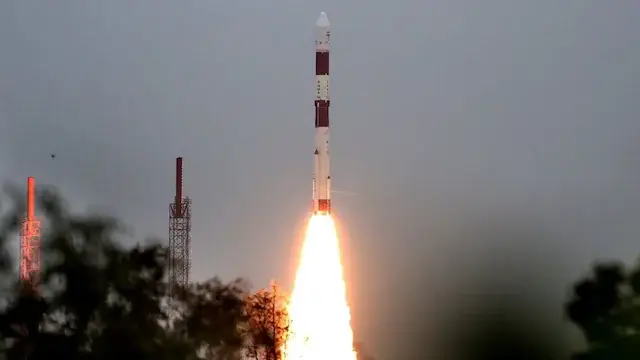
The Indian Space Research Organisation (ISRO) has commenced a 22-hour countdown at 12.48 pm for its first launch mission of 2026, ‘PSLV-C62/EOS-N1’. This highly anticipated mission marks the beginning of a new year for ISRO, with the PSLV rocket set to place the EOS-N1 Earth observation satellite and 15 co-passenger satellites into orbit. As the country’s premier space agency, ISRO has consistently demonstrated its capabilities in space exploration and satellite launches, and this mission is expected to be another significant milestone in its journey.
The PSLV rocket, which stands for Polar Satellite Launch Vehicle, is ISRO’s workhorse launch vehicle, having completed 63 flights since its inception. It has been instrumental in launching numerous satellites into orbit, including notable missions like Chandrayaan-1, which was India’s first lunar mission. The PSLV rocket holds the record for launching 104 satellites in a single mission, a feat that showcases its reliability and versatility.
The EOS-N1 Earth observation satellite, which is the primary payload of the PSLV-C62 mission, is designed to provide high-resolution images of the Earth’s surface. These images will be used for a variety of applications, including land use mapping, crop monitoring, and disaster management. The satellite is equipped with advanced sensors and cameras that will enable it to capture detailed images of the Earth’s surface, even in cloudy or dusty conditions.
In addition to the EOS-N1 satellite, the PSLV-C62 mission will also carry 15 co-passenger satellites into orbit. These satellites belong to various countries, including the United States, Japan, and Australia, and will be used for a range of purposes, including technology demonstration, Earth observation, and communication. The co-passenger satellites will be separated from the PSLV rocket after the EOS-N1 satellite has been placed into orbit, and will then begin their own independent missions.
The PSLV-C62 mission is a significant milestone for ISRO, as it marks the beginning of a new year of space exploration and satellite launches. The mission is expected to demonstrate the capabilities of the PSLV rocket and the EOS-N1 satellite, and will pave the way for future missions. ISRO has a busy schedule of launches planned for 2026, including several high-profile missions, such as the Aditya-L1 mission to study the Sun and the Gaganyaan mission to send Indian astronauts into space.
The PSLV-C62 mission is also significant because it demonstrates India’s growing capabilities in the field of space technology. India has made significant strides in space exploration in recent years, including the successful landing of the Vikram lander on the Moon as part of the Chandrayaan-3 mission. The country has also established itself as a major player in the global space industry, with several private companies, such as SpaceX and Blue Origin, partnering with ISRO for various missions.
As the countdown for the PSLV-C62 mission begins, space enthusiasts and scientists around the world are eagerly waiting to see the mission unfold. The launch is expected to be a complex and precise operation, requiring the coordination of multiple teams and systems. The PSLV rocket will have to navigate through the Earth’s atmosphere and reach orbit, where it will deploy the EOS-N1 satellite and the 15 co-passenger satellites.
The success of the PSLV-C62 mission will depend on a variety of factors, including the performance of the PSLV rocket, the EOS-N1 satellite, and the co-passenger satellites. The mission will also require precise navigation and control, as well as real-time monitoring and communication between the launch vehicle and the ground stations.
In conclusion, the PSLV-C62 mission marks the beginning of a new year of space exploration and satellite launches for ISRO. The mission is expected to demonstrate the capabilities of the PSLV rocket and the EOS-N1 satellite, and will pave the way for future missions. With its rich history of successful launches and its growing capabilities in space technology, ISRO is poised to play a major role in the global space industry in the years to come.
News Source: https://x.com/PTI_News/status/2010285538843173209
About the Author