In a first, gene-edited cell therapy cures aggressive blood cancer
In a groundbreaking medical breakthrough, UK researchers have successfully reversed T-cell acute lymphoblastic leukaemia, an aggressive blood cancer, using gene-edited immune cells for the first time. This innovative therapy, called BE-CAR7, has shown remarkable promise in targeting and destroying cancer cells, offering new hope to patients suffering from this devastating disease.
T-cell acute lymphoblastic leukaemia (T-ALL) is a type of blood cancer that affects the T-cells, a crucial component of our immune system. It is a highly aggressive and fast-progressing disease, often requiring immediate and intensive treatment. Despite advances in medical technology and treatments, T-ALL remains a significant challenge for oncologists and researchers, with limited treatment options available for patients.
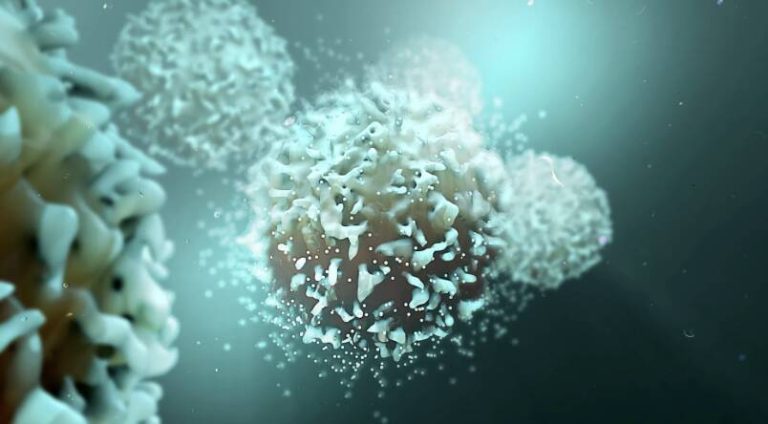
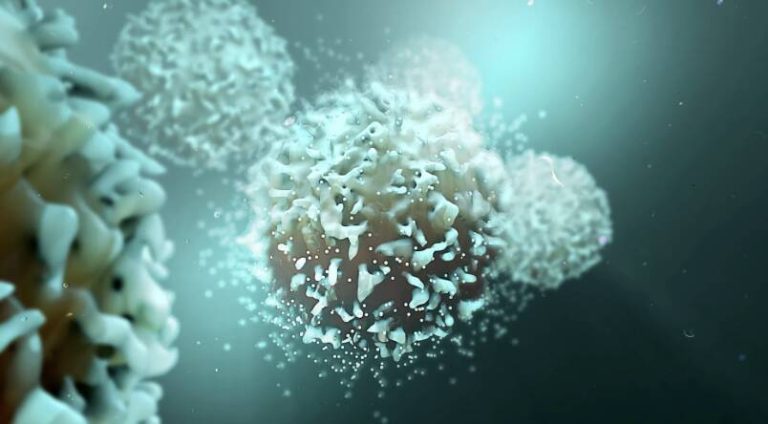
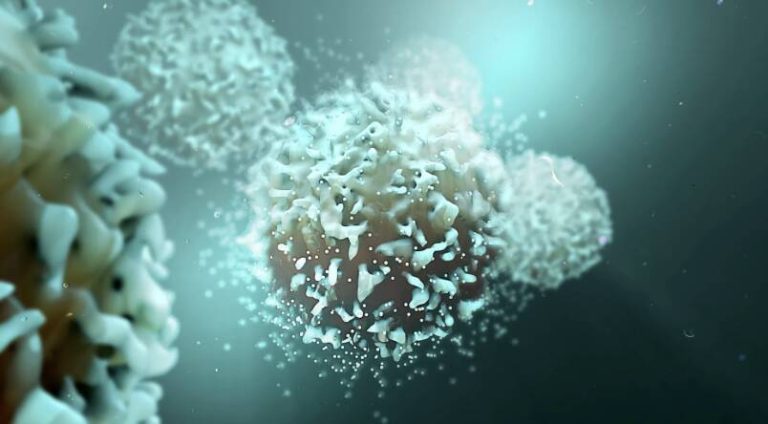
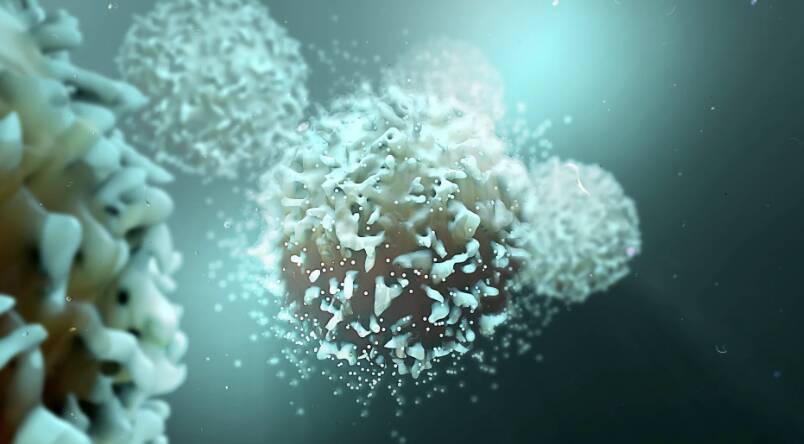
The BE-CAR7 therapy, developed by a team of UK researchers, represents a significant departure from traditional cancer treatments. This novel approach involves modifying immune cells, specifically T-cells, to have chimeric antigen receptors (CARs) on their surface. These CARs are designed to recognize and target a specific protein on the surface of cancer cells, allowing the T-cells to attach to and destroy the cancerous cells.
The process of creating these gene-edited immune cells is complex and involves several steps. First, T-cells are extracted from the patient’s blood and then genetically modified to express the CARs on their surface. The modified T-cells are then expanded in number and infused back into the patient’s bloodstream, where they can seek out and destroy cancer cells.
The BE-CAR7 therapy has shown remarkable efficacy in clinical trials, with patients experiencing significant improvements in their condition. The treatment has been found to be particularly effective in targeting and eliminating cancer cells that have developed resistance to traditional treatments. This is a significant breakthrough, as cancer cells often develop resistance to chemotherapy and other treatments, making it challenging to achieve a complete remission.
One of the most significant advantages of the BE-CAR7 therapy is its ability to selectively target cancer cells, reducing the risk of harm to healthy cells. This is in contrast to traditional chemotherapy, which often damages healthy cells and tissues, leading to debilitating side effects. The gene-edited immune cells used in the BE-CAR7 therapy are designed to recognize and attack only cancer cells, minimizing the risk of damage to healthy tissues.
The success of the BE-CAR7 therapy has significant implications for the treatment of T-ALL and other types of blood cancers. It offers a new and promising approach to cancer treatment, one that is more targeted and effective than traditional therapies. The use of gene-edited immune cells also raises the possibility of developing personalized cancer treatments, tailored to the specific needs of each patient.
While the BE-CAR7 therapy is still in its early stages, the results of the clinical trials are highly encouraging. The treatment has been found to be safe and well-tolerated, with minimal side effects reported. The researchers are now planning to conduct further studies to refine the treatment and explore its potential in treating other types of cancer.
In conclusion, the development of the BE-CAR7 therapy is a significant breakthrough in the treatment of T-cell acute lymphoblastic leukaemia and other blood cancers. The use of gene-edited immune cells to target and destroy cancer cells offers a new and promising approach to cancer treatment, one that is more targeted and effective than traditional therapies. As researchers continue to refine and develop this treatment, we can expect to see significant improvements in the outcomes for patients suffering from this devastating disease.
Source: https://www.sciencedaily.com/releases/2025/12/251211040438.htm
About the Author