In a first, gene-edited cell therapy cures aggressive blood cancer
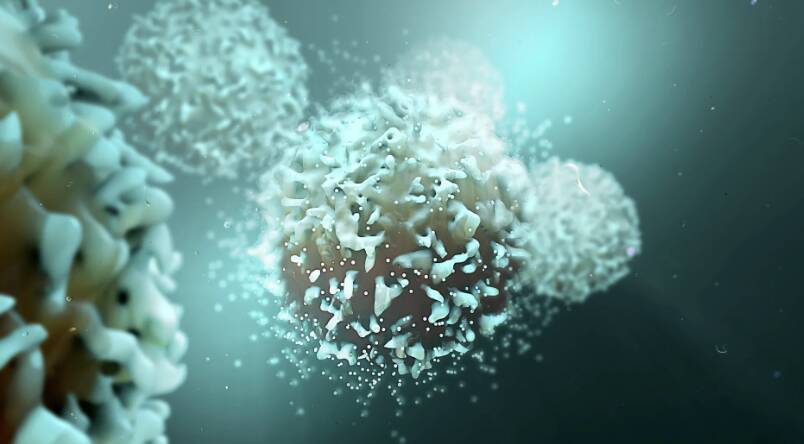
In a groundbreaking achievement, UK researchers have successfully reversed T-cell acute lymphoblastic leukaemia, an aggressive blood cancer, using gene-edited immune cells for the first time. This innovative therapy, called BE-CAR7, has shown tremendous promise in combating this devastating disease, offering new hope to patients and their families. The treatment involves modifying immune cells, specifically T-cells, to have chimeric antigen receptors (CARs) on their surface. These CARs are programmed to recognize and target a specific protein on the surface of cancer cells, allowing the T-cell to attach to and destroy the cancer cell.
T-cell acute lymphoblastic leukaemia (T-ALL) is a type of blood cancer that affects the T-cells, a crucial component of the immune system. It is an aggressive disease that can progress rapidly if left untreated, making it essential to find effective treatments. Traditional therapies, such as chemotherapy and radiation, can be effective but often come with significant side effects and may not always be successful in eradicating the cancer. The development of gene-edited cell therapies, like BE-CAR7, offers a new and exciting approach to treating this disease.
The BE-CAR7 therapy involves several steps. First, T-cells are extracted from the patient’s blood and then genetically modified to express the CARs on their surface. The CARs are designed to recognize a specific protein, called CD7, which is present on the surface of T-ALL cancer cells. Once the T-cells have been modified, they are infused back into the patient’s body, where they can seek out and destroy the cancer cells. This targeted approach allows the T-cells to selectively kill the cancer cells, reducing the harm to healthy cells and minimizing the risk of side effects.
The results of the study, which involved a small group of patients with T-ALL, were impressive. All of the patients who received the BE-CAR7 therapy showed significant improvements, with some even achieving complete remission. The treatment was well-tolerated, with minimal side effects reported. These findings suggest that BE-CAR7 has the potential to become a highly effective treatment for T-ALL, offering new hope to patients who have limited treatment options.
One of the key advantages of the BE-CAR7 therapy is its targeted approach. By using CARs that recognize a specific protein on the surface of cancer cells, the T-cells can selectively kill the cancer cells, reducing the harm to healthy cells. This approach also reduces the risk of side effects, which is a significant concern with traditional therapies. Additionally, the BE-CAR7 therapy has the potential to be used in combination with other treatments, such as chemotherapy and radiation, to enhance its effectiveness.
The development of gene-edited cell therapies, like BE-CAR7, is a rapidly evolving field, with several ongoing clinical trials investigating their safety and efficacy. While the results of these trials are promising, there are still several challenges that need to be addressed before these therapies can become widely available. One of the main challenges is the high cost of these therapies, which can be prohibitively expensive for many patients. Additionally, there are concerns about the long-term safety and efficacy of these therapies, which will require ongoing monitoring and evaluation.
In conclusion, the development of the BE-CAR7 therapy is a significant breakthrough in the treatment of T-cell acute lymphoblastic leukaemia. This innovative approach has shown tremendous promise in combating this aggressive blood cancer, offering new hope to patients and their families. While there are still challenges that need to be addressed, the potential of gene-edited cell therapies to revolutionize the treatment of cancer is undeniable. As research in this field continues to evolve, we can expect to see new and exciting developments in the years to come.
For more information on this groundbreaking study, please visit: https://www.sciencedaily.com/releases/2025/12/251211040438.htm
About the Author