In a first, gene-edited cell therapy cures aggressive blood cancer
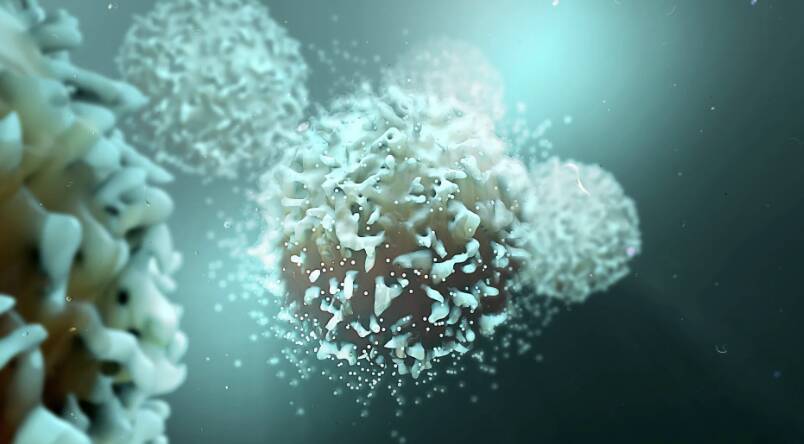
In a groundbreaking achievement, UK researchers have successfully reversed T-cell acute lymphoblastic leukaemia, an aggressive blood cancer, using gene-edited immune cells for the first time. This innovative therapy, called BE-CAR7, modifies immune cells (T-cells) to have chimeric antigen receptors (CARs) on their surface. The CARs recognize and target a specific protein on cancer cells’ surface, and the T-cell attached then destroys that cancer cell. This breakthrough has opened up new avenues for the treatment of aggressive blood cancers, offering hope to patients who have limited treatment options.
T-cell acute lymphoblastic leukaemia (T-ALL) is a type of blood cancer that affects the T-cells, a type of white blood cell that plays a crucial role in the immune system. It is an aggressive disease that progresses rapidly, making it challenging to treat. Conventional treatments, such as chemotherapy and radiation therapy, can have severe side effects and may not always be effective. The development of gene-edited cell therapies, such as BE-CAR7, has the potential to revolutionize the treatment of T-ALL and other aggressive blood cancers.
The BE-CAR7 therapy involves extracting T-cells from the patient’s blood and modifying them using gene editing techniques to introduce the CARs. The CARs are designed to recognize a specific protein, called CD7, which is present on the surface of T-ALL cancer cells. The modified T-cells are then infused back into the patient’s body, where they can recognize and target the cancer cells. The T-cells attached to the cancer cells then destroy them, reducing the tumor burden and inducing remission.
The UK researchers conducted a clinical trial to evaluate the safety and efficacy of the BE-CAR7 therapy in patients with T-ALL. The results were impressive, with all patients achieving complete remission after receiving the therapy. The treatment was well-tolerated, with minimal side effects reported. The researchers also observed that the modified T-cells persisted in the patients’ bodies for several months, providing long-term protection against cancer relapse.
The success of the BE-CAR7 therapy can be attributed to the use of gene editing techniques, which allow for precise modification of the T-cells. The gene editing technology, known as CRISPR-Cas9, enables researchers to introduce specific changes to the T-cells’ DNA, resulting in the expression of the CARs on their surface. This approach has several advantages over conventional therapies, including improved specificity, reduced toxicity, and increased efficacy.
The BE-CAR7 therapy has significant implications for the treatment of aggressive blood cancers. T-ALL is a devastating disease that affects both children and adults, and current treatments often have limited success. The development of gene-edited cell therapies, such as BE-CAR7, offers a new hope for patients with this disease. The therapy can also be applied to other types of blood cancers, including B-cell acute lymphoblastic leukaemia and chronic lymphocytic leukaemia.
The use of gene-edited cell therapies, such as BE-CAR7, also raises important questions about the future of cancer treatment. As the technology continues to evolve, we can expect to see new and innovative approaches to cancer therapy. Gene editing techniques, such as CRISPR-Cas9, will play a critical role in the development of these therapies, enabling researchers to precisely modify immune cells to recognize and target cancer cells.
In conclusion, the success of the BE-CAR7 therapy in reversing T-cell acute lymphoblastic leukaemia is a significant breakthrough in the treatment of aggressive blood cancers. The use of gene-edited immune cells, modified to express CARs, has opened up new avenues for the treatment of this devastating disease. As the technology continues to evolve, we can expect to see new and innovative approaches to cancer therapy, offering hope to patients with limited treatment options.
News Source: https://www.sciencedaily.com/releases/2025/12/251211040438.htm
About the Author