IIT-Madras professor explains why dosas are crispy on outside & soft on inside
Dosa, a staple food in South Indian cuisine, has been a topic of interest for food enthusiasts and scientists alike. The delicate balance of crispy exterior and soft interior has puzzled many, with some attributing it to the type of batter used, while others claim it’s the cooking technique that makes all the difference. Recently, Prof Mahesh Panchagnula from IIT-Madras shed some light on the science behind the perfect dosa, and it’s more fascinating than you might think.
According to Prof Panchagnula, the secret to a crispy dosa lies in the practice of sprinkling water on a hot tawa before pouring the dosa batter. This age-old technique, passed down through generations of cooks, has a scientific explanation rooted in the Leidenfrost Effect. Identified in 18th century Germany, the Leidenfrost Effect describes the phenomenon where a liquid, in this case, water, comes into contact with a surface significantly hotter than its boiling point, creating a thin vapor layer between the two.
When the tawa isn’t hot enough, the water evaporates slowly, failing to create the desired vapor layer. However, at the right temperature, the water glides and floats on this thin vapor layer, preventing the dosa from sticking to the tawa. This clever trick allows the dosa to cook evenly, resulting in a crispy exterior and a soft interior. The science behind this technique is both simple and ingenious, making it a perfect example of how traditional cooking methods can be backed by scientific principles.
The Leidenfrost Effect is not unique to dosa making; it’s a phenomenon observed in various everyday situations. For instance, when you sprinkle water on a hot skillet, the water droplets seem to dance on the surface, creating a mesmerizing display of science in action. This effect is also responsible for the formation of steam when you pour cold water onto a hot surface, like a radiator or a piping hot engine.
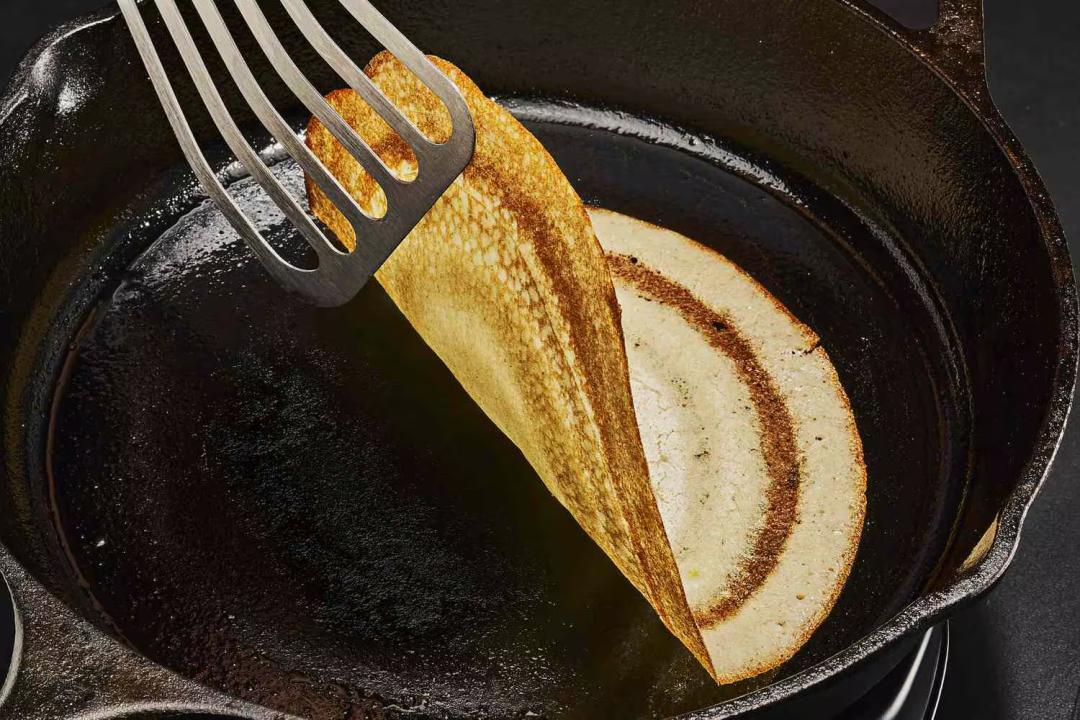
In the context of dosa making, the Leidenfrost Effect plays a crucial role in creating the perfect texture. By sprinkling water on the hot tawa, the cook creates a thin vapor layer that prevents the dosa batter from sticking to the surface. As the batter cooks, the vapor layer helps to distribute heat evenly, ensuring that the dosa is cooked consistently throughout. The result is a crispy exterior, golden brown in color, and a soft, fluffy interior that’s simply irresistible.
The significance of the Leidenfrost Effect in dosa making is not just limited to the texture; it also affects the flavor and overall quality of the dish. When the dosa is cooked on a tawa that’s not hot enough, the batter can stick to the surface, resulting in a dosa that’s dense and heavy. On the other hand, a tawa that’s too hot can burn the dosa, making it crispy but also bitter and unpalatable. The perfect balance of heat and moisture, facilitated by the Leidenfrost Effect, ensures that the dosa is cooked to perfection, with a delicate balance of flavors and textures.
Prof Panchagnula’s explanation of the science behind dosa making has sparked a renewed interest in the traditional cooking techniques used in Indian cuisine. By understanding the scientific principles that govern these techniques, cooks and food enthusiasts can appreciate the intricacies of Indian cooking and experiment with new recipes and methods. The fusion of science and tradition has the potential to revolutionize the way we approach cooking, making it more accessible, enjoyable, and rewarding.
In conclusion, the secret to a crispy dosa lies in the clever application of the Leidenfrost Effect, a phenomenon that’s both fascinating and simple. By sprinkling water on a hot tawa before pouring the dosa batter, cooks can create a thin vapor layer that prevents the dosa from sticking, resulting in a crispy exterior and a soft interior. This traditional technique, backed by scientific principles, is a testament to the ingenuity and creativity of Indian cooks, who have perfected the art of dosa making over centuries.
For more information on this topic, you can visit: https://x.com/iitmadras/status/1993901259925909929
News source: https://x.com/iitmadras/status/1993901259925909929
About the Author