IIT-Madras professor explains why dosas are crispy on outside & soft on inside
The humble dosa, a staple of South Indian cuisine, has been a topic of fascination for food enthusiasts and scientists alike. The perfect dosa is a delicate balance of crispy exterior and soft interior, a texture that is both satisfying and intriguing. But have you ever wondered what makes dosas crispy on the outside and soft on the inside? A professor from IIT-Madras has shed light on the science behind this phenomenon, and it’s more fascinating than you might think.
According to Prof Mahesh Panchagnula, the practice of sprinkling water on a hot tawa before pouring the dosa batter is linked to the Leidenfrost Effect, a phenomenon identified in Germany in the 18th century. The Leidenfrost Effect is a physical phenomenon in which a liquid, in close contact with a surface significantly hotter than the liquid’s boiling point, produces a vapor layer that reduces heat transfer and prevents the liquid from boiling rapidly.
When a tawa is not hot enough, the water sprinkled on it evaporates slowly, and the dosa batter sticks to the surface. However, when the tawa is heated to the right temperature, the water glides and floats on a thin vapor layer, preventing the dosa from sticking and making it crisp. This is the key to achieving the perfect dosa texture.
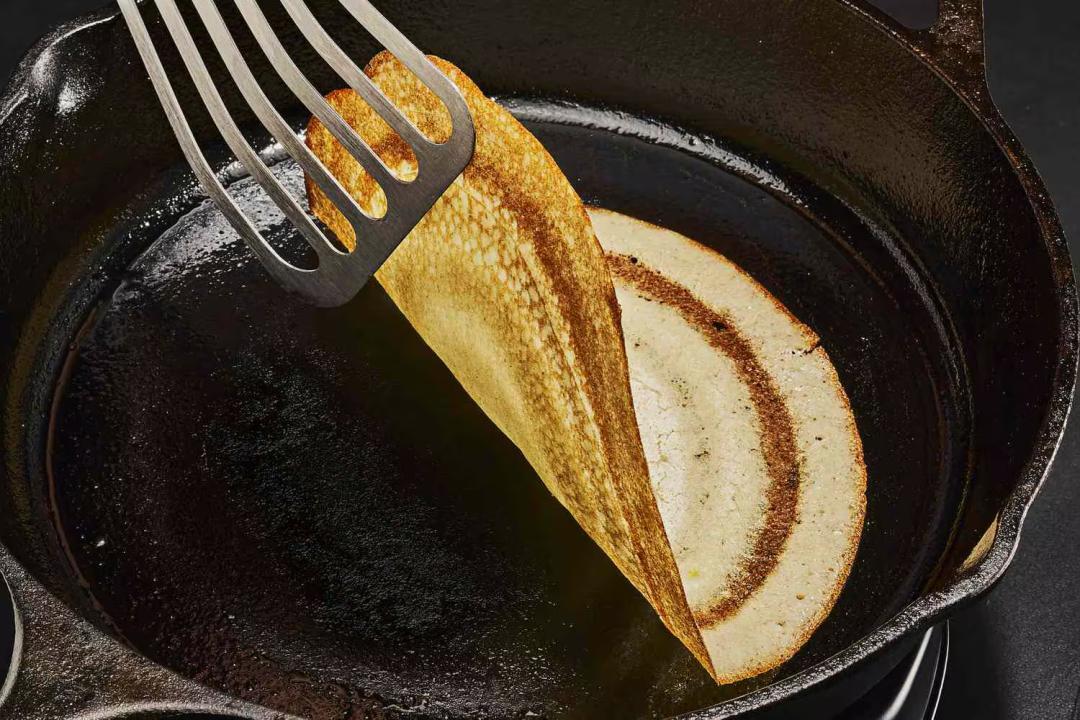
The Leidenfrost Effect is responsible for the unique texture of dosas. When the dosa batter is poured onto the hot tawa, it comes into contact with the vapor layer created by the sprinkled water. This layer reduces the heat transfer between the tawa and the batter, allowing the batter to cook slowly and evenly. As a result, the exterior of the dosa becomes crispy, while the interior remains soft and fluffy.
But that’s not all – the Leidenfrost Effect also plays a role in the formation of the dosa’s signature crispy edges. As the dosa cooks, the vapor layer created by the sprinkled water helps to distribute the heat evenly, causing the edges to become crispy and golden brown. This is why dosas often have a distinctive crunch to their edges, which is both delicious and visually appealing.
The science behind dosas is not just limited to the Leidenfrost Effect. The type of batter used, the temperature of the tawa, and even the type of oil or ghee used for cooking all play a role in determining the final texture and flavor of the dosa. However, the Leidenfrost Effect is a crucial factor in achieving the perfect balance of crispy exterior and soft interior.
For those interested in trying their hand at making the perfect dosa, Prof Panchagnula’s explanation provides valuable insights. By understanding the science behind the Leidenfrost Effect and its role in dosa-making, home cooks can experiment with different techniques and ingredients to achieve the perfect texture and flavor.
In conclusion, the next time you bite into a crispy, golden-brown dosa, remember the science that goes into making it. The Leidenfrost Effect, a phenomenon discovered centuries ago, plays a crucial role in creating the perfect dosa texture. Whether you’re a food enthusiast or a scientist, the humble dosa is a fascinating example of how science and cuisine come together to create something truly special.
News Source: https://x.com/iitmadras/status/1993901259925909929
About the Author