IIT-Madras professor explains why dosas are crispy on outside & soft on inside
Dosa, a traditional South Indian dish, has been a staple in many Indian households for centuries. The delicate balance of crunch and softness in a perfectly cooked dosa has always fascinated food enthusiasts. Recently, Prof Mahesh Panchagnula from IIT-Madras shed light on the science behind the crispy exterior and soft interior of dosas. The explanation lies in a centuries-old phenomenon known as the Leidenfrost Effect, which plays a crucial role in the cooking process.
The Leidenfrost Effect, named after the German scientist Johann Leidenfrost, was first observed in the 18th century. It describes the behavior of a liquid when it comes into contact with a surface that is significantly hotter than its boiling point. When a liquid is dropped onto a hot surface, it evaporates rapidly, creating a thin layer of vapor between the liquid and the surface. This vapor layer reduces the heat transfer between the surface and the liquid, causing the liquid to float on top of the vapor layer rather than coming into direct contact with the surface.
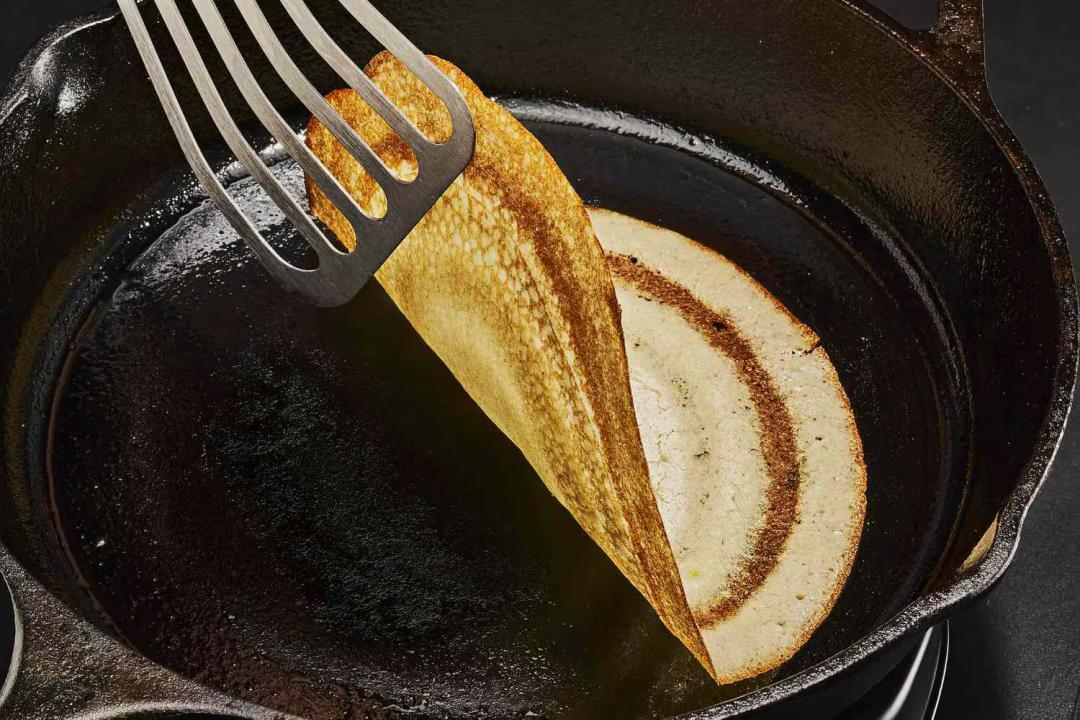
In the context of cooking dosas, the Leidenfrost Effect comes into play when a small amount of water is sprinkled onto the hot tawa (griddle) before pouring the dosa batter. According to Prof Panchagnula, this practice is not just a traditional habit, but a deliberate technique that harnesses the power of the Leidenfrost Effect to create the perfect dosa. When the tawa is not hot enough, the water evaporates slowly, and the dosa batter comes into direct contact with the surface, resulting in a sticky and unevenly cooked dosa.
However, when the tawa has reached the optimal temperature, the water sprinkled onto its surface glides and floats on a thin vapor layer, creating a non-stick surface. This is where the Leidenfrost Effect takes over, preventing the dosa batter from sticking to the tawa and allowing it to cook evenly. As the dosa cooks, the vapor layer created by the Leidenfrost Effect helps to distribute heat evenly, resulting in a crispy exterior and a soft interior.
The science behind the Leidenfrost Effect is fascinating, and its application in cooking dosas is a testament to the ingenuity of traditional Indian cuisine. By understanding the principles of heat transfer and vaporization, we can appreciate the simplicity and elegance of this ancient cooking technique. The next time you cook a dosa, remember that the crispy exterior and soft interior are not just a result of chance, but a deliberate combination of temperature, moisture, and the Leidenfrost Effect.
In addition to the Leidenfrost Effect, several other factors contribute to the perfect dosa. The type of rice and lentils used, the ratio of ingredients, and the fermentation process all play a crucial role in determining the texture and flavor of the dosa. The skill and experience of the cook are also essential, as the timing and temperature of the cooking process can make or break the perfect dosa.
The art of cooking dosas is a great example of how traditional knowledge and scientific principles can come together to create something truly remarkable. By understanding the science behind the cooking process, we can appreciate the complexity and beauty of this ancient dish. Whether you are a seasoned cook or a novice, the next time you cook a dosa, remember to sprinkle a little water onto the hot tawa and watch as the Leidenfrost Effect works its magic.
In conclusion, the combination of traditional knowledge and scientific principles is what makes the perfect dosa. The Leidenfrost Effect, identified in Germany in the 18th century, plays a crucial role in creating the crispy exterior and soft interior of dosas. By understanding the science behind the cooking process, we can appreciate the simplicity and elegance of this ancient cooking technique. So, the next time you cook a dosa, remember to appreciate the science and tradition that goes into creating this delicious and iconic dish.
For more information on this topic, you can visit the following link: https://x.com/iitmadras/status/1993901259925909929
News Source: https://x.com/iitmadras/status/1993901259925909929
About the Author