IIT-Madras professor explains why dosas are crispy on outside & soft on inside
Dosa, a traditional South Indian dish, has been a staple in many households for centuries. The delicate balance of crispy exterior and soft interior has always fascinated food enthusiasts and scientists alike. Recently, Prof Mahesh Panchagnula from IIT-Madras shed light on the science behind this phenomenon, explaining why dosas are crispy on the outside and soft on the inside.
The secret to achieving the perfect dosa lies in the preparation of the tawa, a type of griddle used to cook the dish. The practice of sprinkling water on the hot tawa before pouring the dosa batter is a common technique used by cooks to prevent the dosa from sticking to the surface. However, few people know that this practice is linked to a fascinating scientific phenomenon known as the Leidenfrost Effect.
The Leidenfrost Effect, identified in Germany in the 18th century, describes the behavior of a liquid when it comes into contact with a surface that is significantly hotter than its boiling point. When water is sprinkled on a hot tawa, it evaporates rapidly, creating a thin layer of vapor between the water droplets and the surface of the tawa. This vapor layer reduces the contact between the water and the tawa, allowing the water to glide and float on the surface.
According to Prof Panchagnula, when the tawa is not hot enough, the water evaporates slowly, and the dosa batter sticks to the surface, resulting in a sticky and unappetizing texture. However, when the tawa is heated to the right temperature, the water glides and floats on the thin vapor layer, preventing the dosa from sticking and creating a crisp exterior.
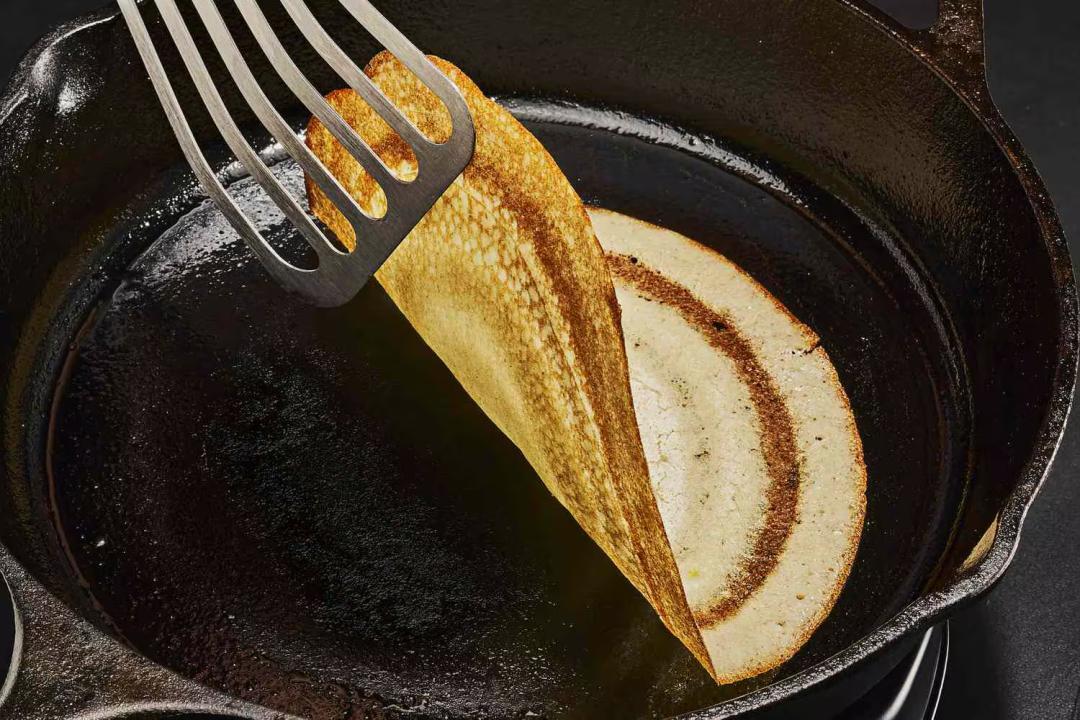
The Leidenfrost Effect plays a crucial role in achieving the perfect dosa texture. As the dosa batter is poured onto the hot tawa, it comes into contact with the thin vapor layer created by the sprinkled water. This layer acts as a barrier, preventing the batter from sticking to the tawa and allowing it to cook evenly. The heat from the tawa causes the batter to cook rapidly, resulting in a crispy exterior, while the interior remains soft and fluffy.
The science behind the dosa’s texture is not just limited to the Leidenfrost Effect. The type of flour used to make the dosa batter also plays a significant role. The traditional dosa batter is made from a mixture of rice and lentil flour, which contains a high percentage of starch. When the batter is cooked, the starches on the surface of the dosa gelatinize, creating a crispy exterior. The interior of the dosa, on the other hand, remains soft and fluffy due to the presence of moisture and the lower temperature.
In addition to the Leidenfrost Effect and the type of flour used, the temperature of the tawa is also critical in achieving the perfect dosa texture. If the tawa is too hot, the dosa will burn and become brittle, while a tawa that is not hot enough will result in a sticky and unappetizing texture. The ideal temperature for cooking dosas is between 200°C to 250°C, which allows for the perfect balance of crispiness and softness.
The art of making the perfect dosa is a complex process that requires a deep understanding of the underlying science. The combination of the Leidenfrost Effect, the type of flour used, and the temperature of the tawa all contribute to the delicate balance of crispy exterior and soft interior. As Prof Panchagnula’s explanation shows, the science behind the dosa’s texture is fascinating and complex, and it is a testament to the ingenuity and creativity of Indian cooks who have perfected this dish over centuries.
In conclusion, the next time you enjoy a crispy dosa, remember the science behind its texture. The Leidenfrost Effect, the type of flour used, and the temperature of the tawa all play a crucial role in achieving the perfect balance of crispiness and softness. As we continue to explore and understand the science behind our favorite dishes, we can appreciate the complexity and beauty of the culinary world.
News source: https://x.com/iitmadras/status/1993901259925909929
About the Author