IIT Indore creates AI human replica to help detect diseases
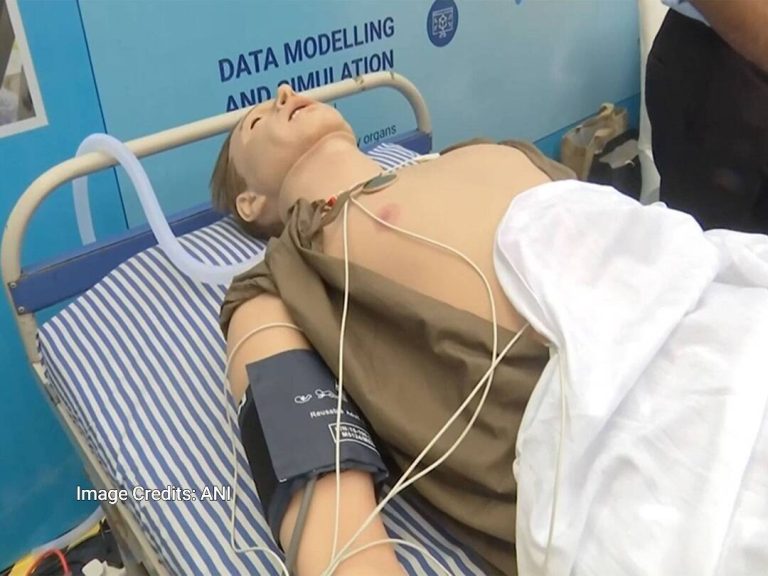
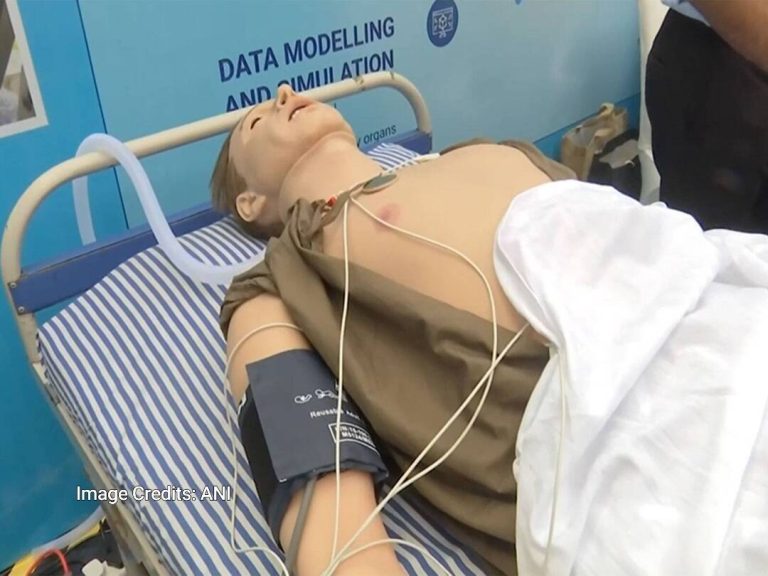
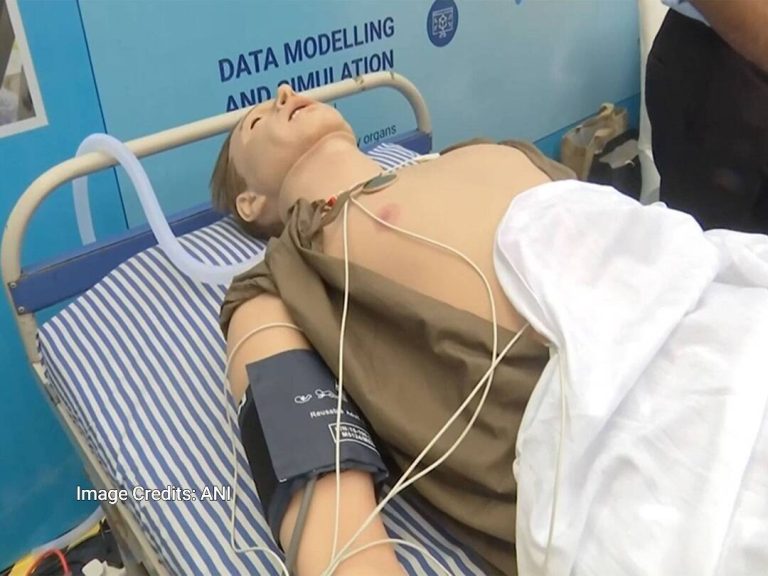
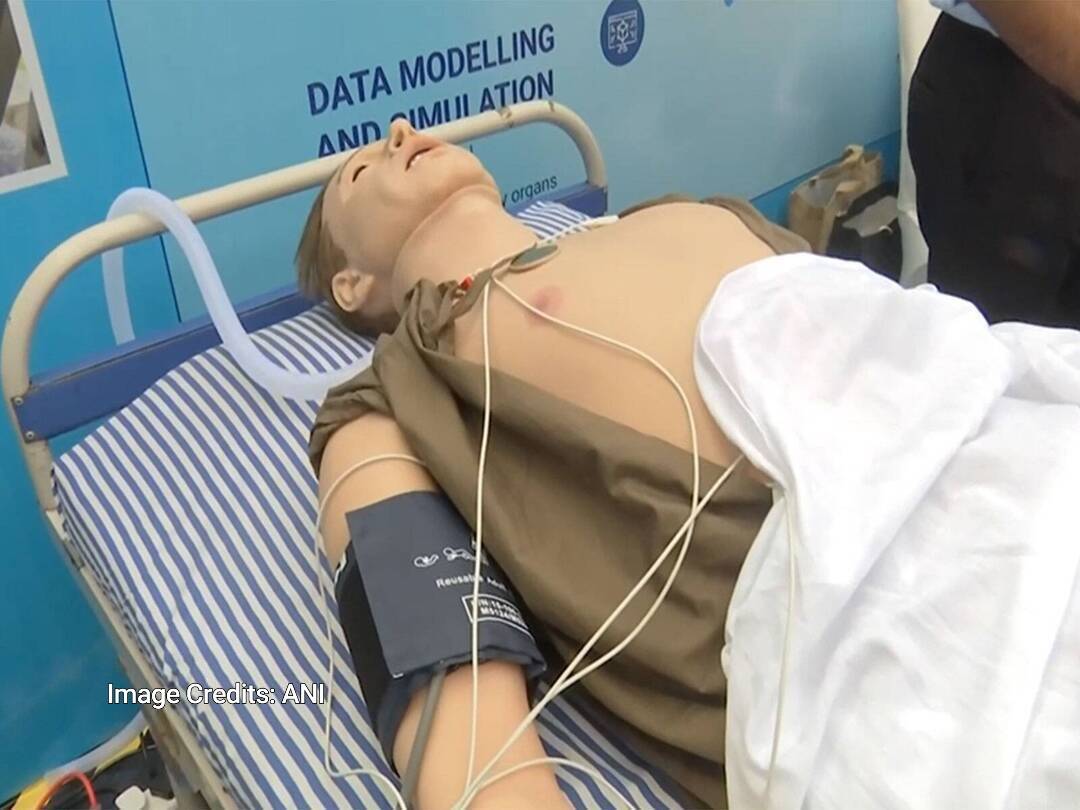
In a groundbreaking achievement, the Indian Institute of Technology (IIT) Indore has developed an AI-powered human-like replica that can be used to detect diseases in the human body. This innovative technology has the potential to revolutionize the field of medicine, enabling doctors to diagnose diseases at an early stage and provide preventive care. According to a report by ANI, the replica can imitate basic human functions like blinking and breathing, making it an incredibly realistic tool for medical research and diagnosis.
The AI-powered human-like replica is equipped with advanced technology that allows it to mimic the functions of various organs in the human body. This enables doctors to study the patterns of diseases in different organs and identify potential health risks. The replica can be used to simulate various scenarios, allowing medical professionals to test different treatments and interventions without putting real patients at risk.
One of the most significant advantages of this technology is its ability to aid in early and preventive diagnosis. By using the AI-powered replica, doctors can identify potential health risks before they become major problems. This can help prevent the progression of diseases, reducing the need for invasive and costly treatments. Additionally, the replica can be used to educate medical students and professionals about various diseases and conditions, providing a realistic and interactive learning experience.
The development of the AI-powered human-like replica is a testament to the innovative spirit of IIT Indore and its commitment to advancing the field of medicine. The institute has been at the forefront of research and development in various fields, including artificial intelligence, robotics, and healthcare. This latest achievement demonstrates the potential of AI and robotics to transform the healthcare industry, improving patient outcomes and saving lives.
The use of AI-powered replicas in medicine is not entirely new, but the development of a human-like replica that can mimic basic human functions is a significant breakthrough. This technology has the potential to be used in various applications, including medical research, education, and diagnosis. It can also be used to develop personalized treatment plans, taking into account the unique characteristics and needs of each patient.
The AI-powered human-like replica developed by IIT Indore is a complex system that requires sophisticated software and hardware. The replica is equipped with sensors and cameras that allow it to detect and respond to its environment. It can also be controlled remotely, enabling doctors to interact with it from anywhere in the world.
The development of this technology has significant implications for the healthcare industry. It has the potential to improve patient outcomes, reduce healthcare costs, and enhance the overall quality of care. The use of AI-powered replicas can also help address the shortage of medical professionals in certain areas, providing a cost-effective and efficient solution for medical training and education.
In conclusion, the development of the AI-powered human-like replica by IIT Indore is a groundbreaking achievement that has the potential to transform the field of medicine. This innovative technology can be used to detect diseases, educate medical professionals, and develop personalized treatment plans. As the healthcare industry continues to evolve, it is likely that we will see more advancements in AI and robotics, leading to improved patient outcomes and better healthcare services.
The use of AI-powered replicas is just one example of how technology is being used to improve healthcare. Other applications of AI in healthcare include diagnostic imaging, patient data analysis, and personalized medicine. These technologies have the potential to revolutionize the healthcare industry, enabling doctors to provide more effective and efficient care.
As we look to the future, it is clear that AI and robotics will play an increasingly important role in healthcare. The development of the AI-powered human-like replica by IIT Indore is just the beginning, and we can expect to see more innovative technologies emerge in the coming years. These advancements will not only improve patient outcomes but also enhance the overall quality of care, making healthcare more accessible and affordable for everyone.
About the Author