IIT Indore creates AI human replica to help detect diseases
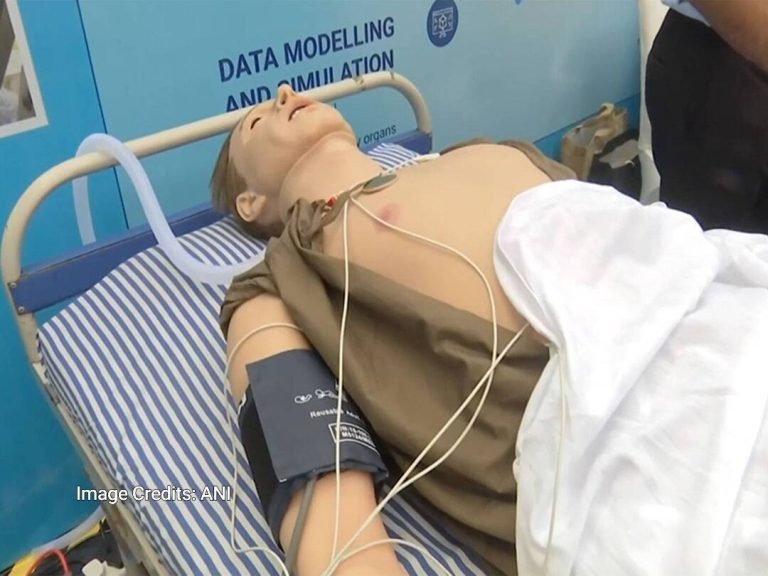
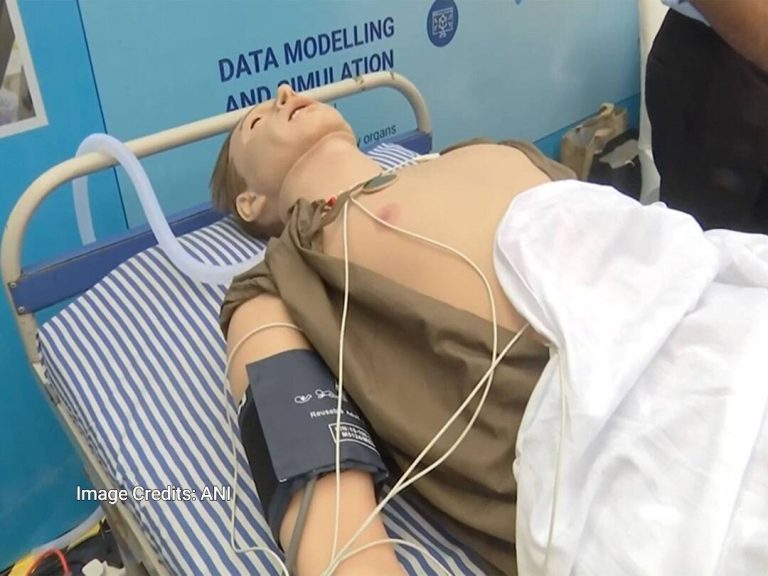
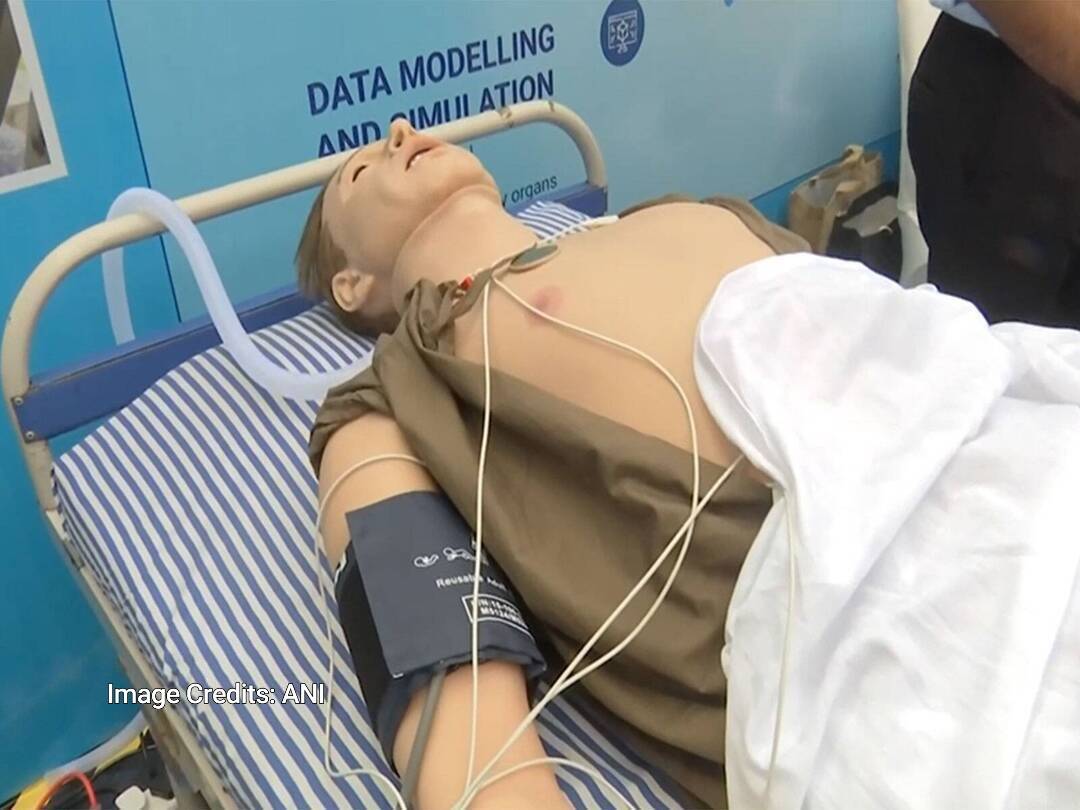
In a groundbreaking development, the Indian Institute of Technology (IIT) Indore has successfully created an artificial intelligence (AI) powered human-like replica that can be used to detect diseases in the human body. According to a report by ANI, this innovative technology has the potential to revolutionize the field of medical diagnosis and treatment. The AI-powered replica is designed to mimic basic human functions, such as blinking and breathing, making it an incredibly realistic and useful tool for medical professionals.
The replica is equipped with advanced AI algorithms that enable it to simulate various human-like functions, allowing it to aid in the identification of disease patterns in different organs. This technology has the potential to assist doctors in early and preventive diagnosis, which is crucial for effective treatment and patient care. By using this AI-powered replica, medical professionals can gain a better understanding of how diseases progress and affect the human body, enabling them to develop more effective treatment plans.
One of the most significant advantages of this technology is its ability to simulate human-like functions, making it an ideal tool for training medical professionals. The replica can be used to demonstrate various medical procedures, allowing doctors and students to practice and hone their skills in a realistic and safe environment. This can help reduce the risk of errors and complications during actual medical procedures, ultimately leading to better patient outcomes.
The AI-powered replica can also be used to test new medical devices and treatments, reducing the need for human trials and minimizing the risk of adverse reactions. This can accelerate the development of new treatments and therapies, making them available to patients more quickly. Additionally, the replica can be used to educate patients about their conditions, helping them understand their treatment options and make informed decisions about their care.
The development of this AI-powered human-like replica is a testament to the innovative spirit and capabilities of IIT Indore. The institute has consistently been at the forefront of technological advancements, and this latest development is a significant addition to its list of achievements. The use of AI and machine learning in medical diagnosis and treatment is a rapidly growing field, and IIT Indore’s contribution to this field is expected to have a significant impact on the healthcare industry.
The potential applications of this technology are vast and varied. It can be used to detect a wide range of diseases, from cardiovascular disorders to neurological conditions. The replica can also be used to develop personalized treatment plans, taking into account a patient’s unique genetic profile, medical history, and lifestyle. This can help ensure that patients receive the most effective treatment for their specific condition, leading to better health outcomes and improved quality of life.
In addition to its medical applications, the AI-powered replica can also be used in other fields, such as education and research. It can be used to teach students about human anatomy and physiology, providing a interactive and engaging learning experience. The replica can also be used to conduct research on human behavior and cognition, helping scientists better understand the complexities of the human mind and body.
In conclusion, the development of the AI-powered human-like replica by IIT Indore is a significant breakthrough in the field of medical diagnosis and treatment. This innovative technology has the potential to revolutionize the way diseases are detected and treated, and its applications extend far beyond the medical field. As the use of AI and machine learning in healthcare continues to grow, it is likely that we will see even more innovative technologies emerge, transforming the way we approach healthcare and improving patient outcomes.
The development of this technology is a shining example of the power of innovation and collaboration in the field of healthcare. It highlights the importance of investing in research and development, and the need for continued advancements in medical technology. As we look to the future, it is exciting to think about the potential applications of this technology and the impact it could have on the lives of patients around the world.
About the Author