IIT Indore creates AI human replica to help detect diseases
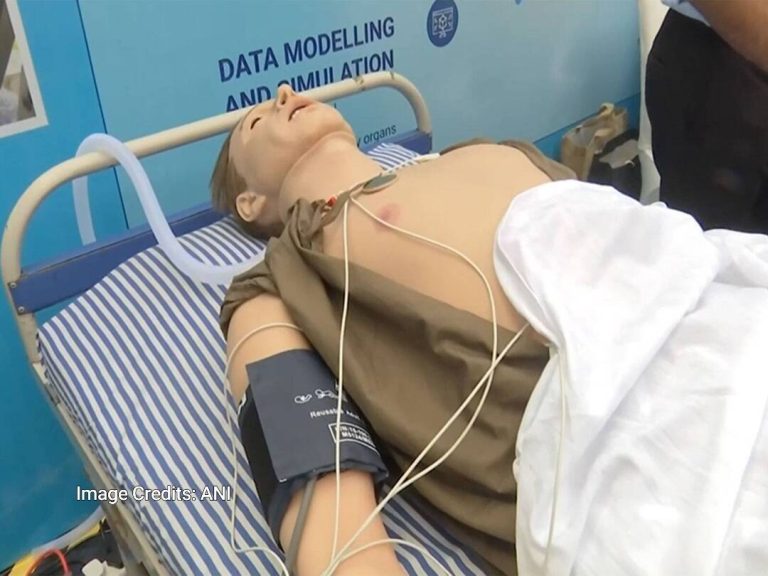
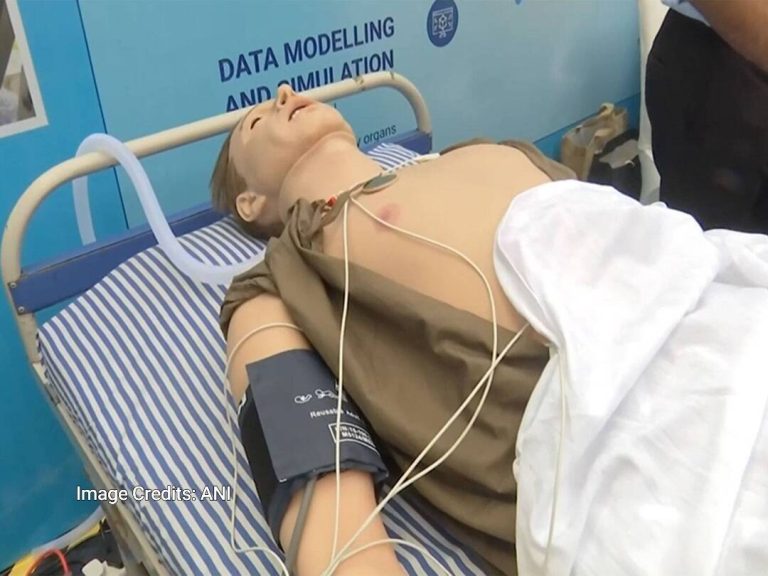
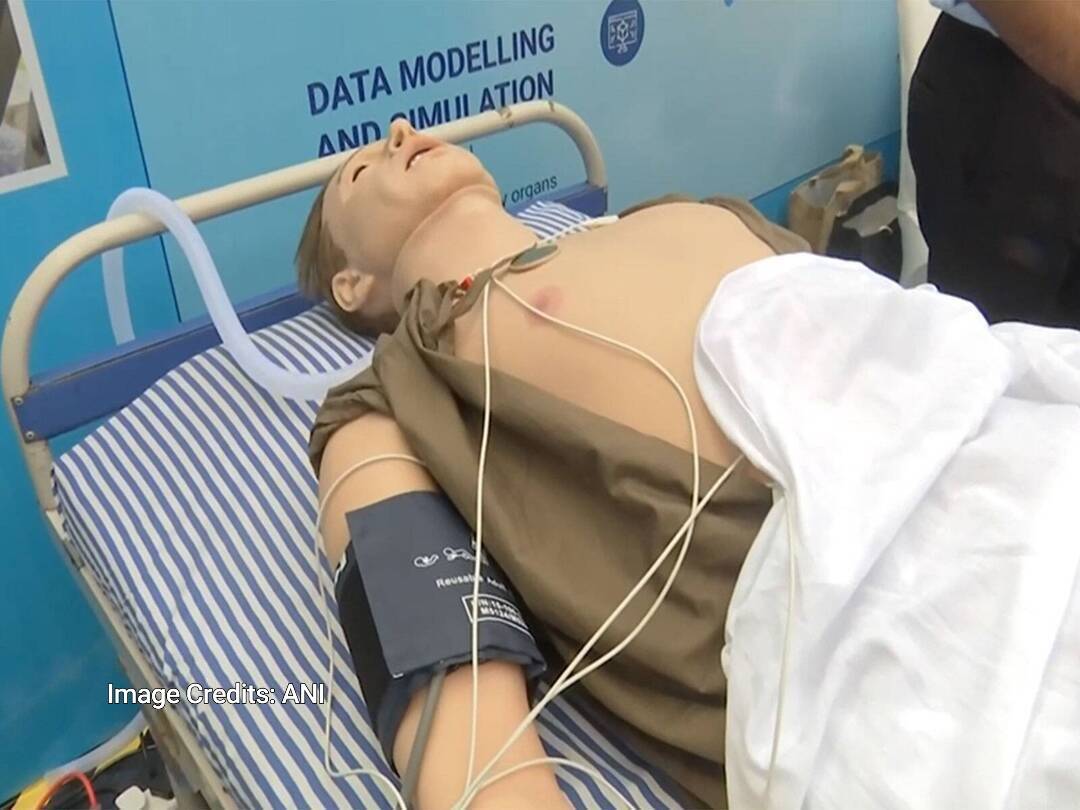
In a groundbreaking development, the Indian Institute of Technology (IIT) Indore has created an artificial intelligence (AI)-powered human-like replica that can aid in the detection of diseases in the human body. According to a report by ANI, this innovative technology has the potential to revolutionize the field of medicine by enabling early and preventive diagnosis of various diseases. The AI-powered replica is designed to mimic basic human functions, such as blinking and breathing, making it an invaluable tool for medical professionals.
The human-like replica, developed by the researchers at IIT Indore, is equipped with advanced AI algorithms that enable it to simulate the functioning of various organs in the human body. This allows doctors to study the patterns and behavior of diseases in different organs, which can lead to a better understanding of the underlying causes of these diseases. By analyzing the data generated by the replica, medical professionals can identify potential health risks and take preventive measures to mitigate them.
One of the most significant advantages of this technology is its ability to aid in the early detection of diseases. Many diseases, such as cancer, diabetes, and cardiovascular disease, can be effectively managed and treated if detected early. However, in many cases, these diseases may not exhibit noticeable symptoms until they have reached an advanced stage. The AI-powered replica can help bridge this gap by enabling doctors to identify potential health risks before they become life-threatening.
The replica can also be used to test the efficacy of different treatments and medications. By simulating the behavior of various organs and systems in the human body, the replica can help doctors determine the most effective course of treatment for a particular disease. This can lead to more personalized and targeted treatment plans, which can improve patient outcomes and reduce the risk of adverse reactions.
Another significant benefit of this technology is its potential to reduce the need for animal testing. Currently, many medical research studies rely on animal testing to develop and test new treatments and medications. However, animal testing can be expensive, time-consuming, and often raises ethical concerns. The AI-powered replica can provide a more humane and cost-effective alternative, allowing researchers to test new treatments and medications in a simulated environment.
The development of the AI-powered human-like replica is a testament to the innovative spirit and expertise of the researchers at IIT Indore. The institute has been at the forefront of technological advancements in various fields, including AI, robotics, and healthcare. This breakthrough technology is expected to have a significant impact on the field of medicine, enabling doctors to provide more effective and personalized care to their patients.
In addition to its potential to aid in disease detection and treatment, the AI-powered replica can also be used to educate medical students and professionals. The replica can simulate various medical scenarios, allowing students to practice and hone their skills in a realistic and risk-free environment. This can lead to better-trained medical professionals, who are equipped to handle a wide range of medical situations.
The development of the AI-powered human-like replica is also expected to have significant economic benefits. The technology has the potential to reduce healthcare costs by enabling early detection and prevention of diseases. This can lead to a reduction in the number of hospitalizations, surgeries, and other medical procedures, which can be costly and resource-intensive.
In conclusion, the AI-powered human-like replica developed by IIT Indore is a groundbreaking technology that has the potential to revolutionize the field of medicine. By enabling early and preventive diagnosis, aiding in the development of personalized treatment plans, and reducing the need for animal testing, this technology can improve patient outcomes and reduce healthcare costs. As the technology continues to evolve and improve, it is expected to have a significant impact on the field of medicine, enabling doctors to provide more effective and compassionate care to their patients.
About the Author