IIT Indore creates AI human replica to help detect diseases
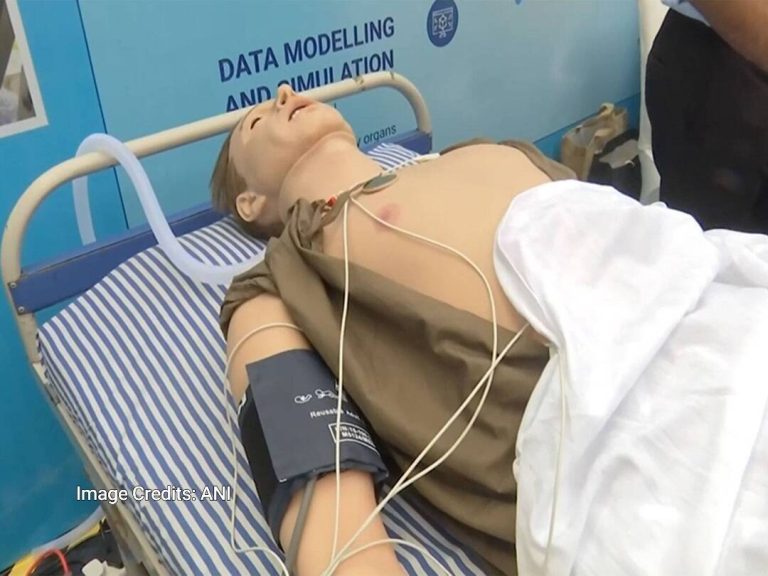
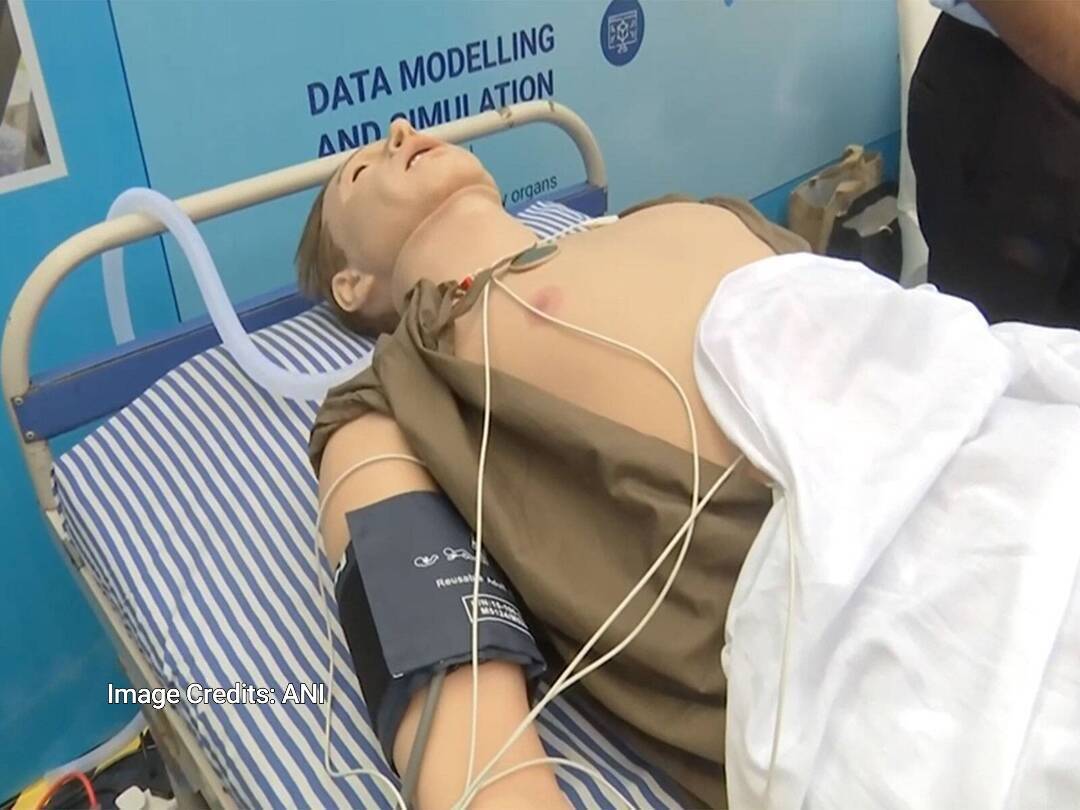
In a groundbreaking development, the Indian Institute of Technology (IIT) Indore has created an artificial intelligence (AI)-powered human-like replica that can be used to detect diseases in the human body. This innovative technology has the potential to revolutionize the field of medicine by enabling early and preventive diagnosis of various diseases. According to a report by ANI, the AI-powered replica can mimic basic human functions like blinking and breathing, making it an incredibly realistic and useful tool for medical professionals.
The AI-powered human-like replica is designed to simulate the human body’s functions, allowing doctors to study and analyze the patterns of various diseases in different organs. This can help medical professionals to identify diseases at an early stage, which is critical for effective treatment and prevention. The replica can be used to mimic the functions of various organs, including the heart, lungs, and liver, among others. By studying the patterns of diseases in these organs, doctors can gain a deeper understanding of how diseases progress and develop, enabling them to develop more effective treatment plans.
One of the most significant advantages of the AI-powered human-like replica is its ability to aid in the early detection of diseases. Early detection is critical for effective treatment and prevention of diseases, and the replica can help doctors to identify diseases at a stage when they are more easily treatable. For example, the replica can be used to detect diseases like cancer, diabetes, and cardiovascular disease, among others, at an early stage. This can help to prevent the progression of these diseases and reduce the risk of complications.
The AI-powered human-like replica can also be used to train medical professionals, including doctors and nurses. The replica can be used to simulate various medical scenarios, allowing medical professionals to practice and hone their skills in a realistic and safe environment. This can help to improve the quality of medical care and reduce the risk of errors. Additionally, the replica can be used to educate patients about various diseases and treatments, enabling them to make informed decisions about their health.
The development of the AI-powered human-like replica is a significant achievement for IIT Indore, and it highlights the institution’s commitment to innovation and excellence in the field of technology. The institute has been at the forefront of research and development in various fields, including AI, machine learning, and data science. The development of the AI-powered human-like replica is a testament to the institute’s capabilities and its potential to make a significant impact in the field of medicine.
The use of AI-powered human-like replicas in medicine is a relatively new concept, but it has the potential to revolutionize the field. These replicas can be used to simulate various medical scenarios, allowing doctors to practice and hone their skills in a realistic and safe environment. They can also be used to educate patients about various diseases and treatments, enabling them to make informed decisions about their health. Additionally, the replicas can be used to develop new treatments and therapies, enabling medical professionals to develop more effective treatment plans.
In conclusion, the development of the AI-powered human-like replica by IIT Indore is a significant achievement that has the potential to revolutionize the field of medicine. The replica can be used to detect diseases at an early stage, aid in the development of new treatments and therapies, and train medical professionals. Its ability to mimic basic human functions like blinking and breathing makes it an incredibly realistic and useful tool for medical professionals. As the field of AI and machine learning continues to evolve, we can expect to see more innovative technologies like the AI-powered human-like replica being developed.
The development of the AI-powered human-like replica is a significant step forward in the field of medicine, and it highlights the potential of technology to improve healthcare outcomes. As the use of AI and machine learning becomes more widespread in medicine, we can expect to see more innovative technologies being developed. These technologies have the potential to revolutionize the field of medicine, enabling medical professionals to develop more effective treatment plans and improve healthcare outcomes.
The AI-powered human-like replica developed by IIT Indore is a significant achievement that has the potential to make a significant impact in the field of medicine. Its ability to mimic basic human functions like blinking and breathing makes it an incredibly realistic and useful tool for medical professionals. As the field of AI and machine learning continues to evolve, we can expect to see more innovative technologies like the AI-powered human-like replica being developed. These technologies have the potential to revolutionize the field of medicine, enabling medical professionals to develop more effective treatment plans and improve healthcare outcomes.
About the Author