IIT Indore creates AI human replica to help detect diseases
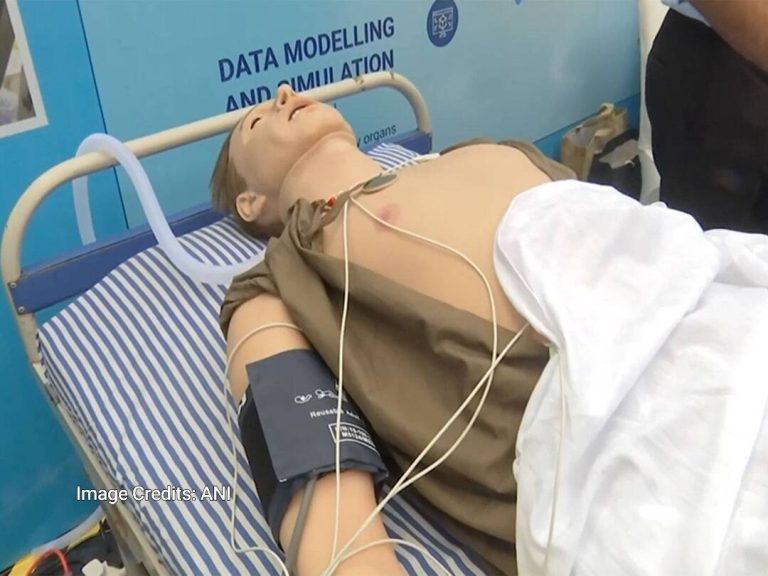
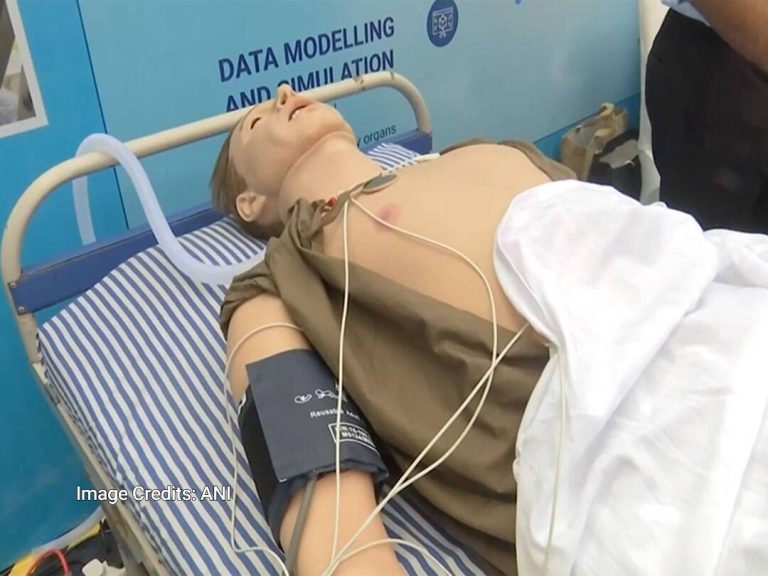
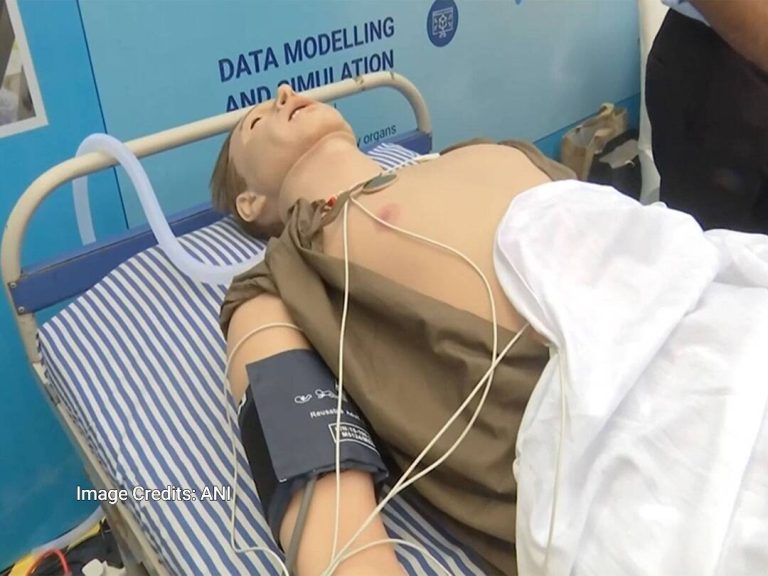
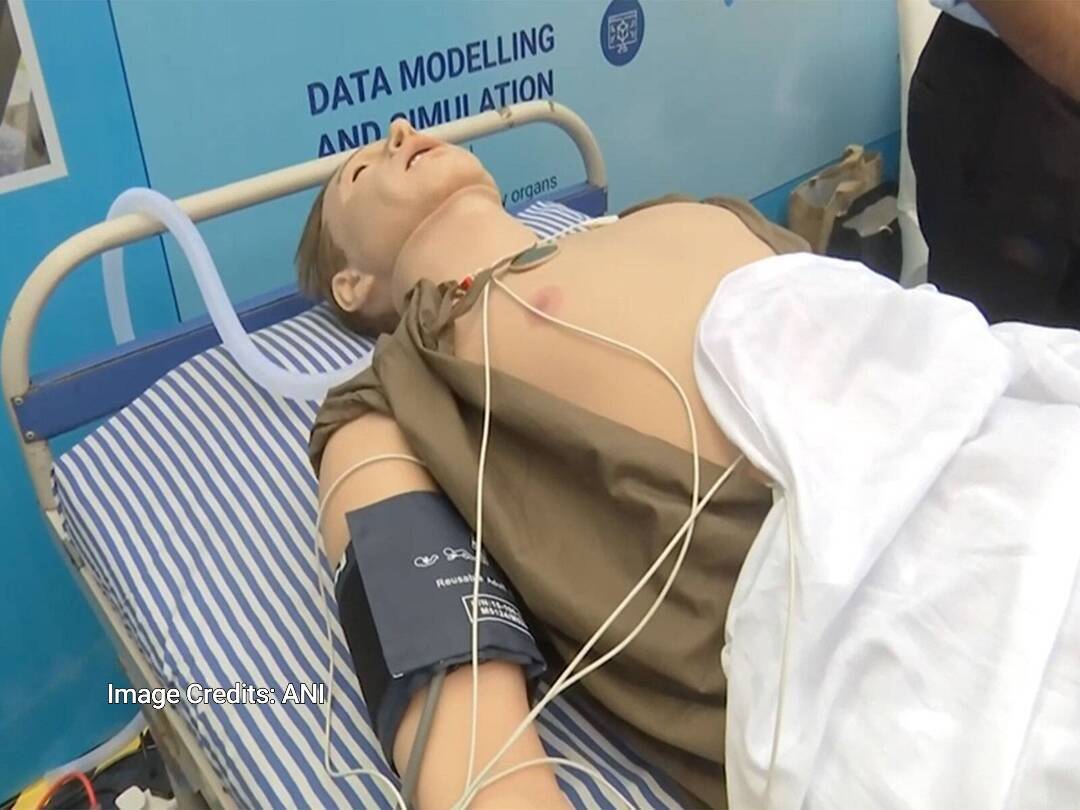
In a groundbreaking development, the Indian Institute of Technology (IIT) Indore has created an artificial intelligence (AI) powered human-like replica that can aid in the detection of diseases in the human body. This innovative technology has been reported by ANI, and it is expected to revolutionize the field of medical diagnosis. The AI-powered replica is designed to mimic basic human functions such as blinking and breathing, making it an incredibly realistic and useful tool for medical professionals.
The replica is equipped with advanced AI algorithms that enable it to simulate the functioning of various organs in the human body. This allows doctors to study the patterns and behaviors of diseases in different organs, which can lead to earlier and more accurate diagnoses. The AI robot can also assist doctors in identifying the underlying causes of diseases, which can help in developing more effective treatment plans.
One of the most significant advantages of this technology is its ability to aid in preventive diagnosis. By simulating the progression of diseases, doctors can identify potential health risks and take proactive measures to prevent them. This can lead to better patient outcomes and reduced healthcare costs. The AI-powered replica can also help doctors to develop personalized treatment plans tailored to the specific needs of each patient.
The development of this technology is a testament to the innovative spirit of IIT Indore and its commitment to advancing the field of medical science. The institute has been at the forefront of research and development in various fields, including AI, robotics, and healthcare. This breakthrough is expected to have a significant impact on the healthcare industry, and it has the potential to save countless lives.
The AI-powered replica is also expected to play a crucial role in medical education and training. It can be used to simulate real-life scenarios, allowing medical students to practice and hone their skills in a safe and controlled environment. This can help to reduce the risk of medical errors and improve patient care.
The technology has the potential to be used in a variety of applications, including disease modeling, drug testing, and surgical training. It can also be used to develop more effective treatment plans for complex diseases such as cancer, diabetes, and cardiovascular disease.
In addition to its potential to improve patient outcomes, the AI-powered replica can also help to reduce healthcare costs. By enabling doctors to identify potential health risks earlier, it can help to prevent costly medical procedures and hospitalizations. It can also help to reduce the burden on healthcare systems by enabling doctors to prioritize patients who are at high risk of developing diseases.
The development of this technology is a significant milestone in the field of medical science, and it has the potential to revolutionize the way diseases are diagnosed and treated. As the technology continues to evolve, it is expected to have a profound impact on the healthcare industry and improve patient outcomes.
In conclusion, the AI-powered human-like replica developed by IIT Indore is a groundbreaking innovation that has the potential to transform the field of medical diagnosis. Its ability to simulate basic human functions and aid in the detection of diseases makes it an invaluable tool for medical professionals. As the technology continues to advance, it is expected to play a crucial role in improving patient outcomes and reducing healthcare costs.
About the Author