IIT Indore creates AI human replica to help detect diseases
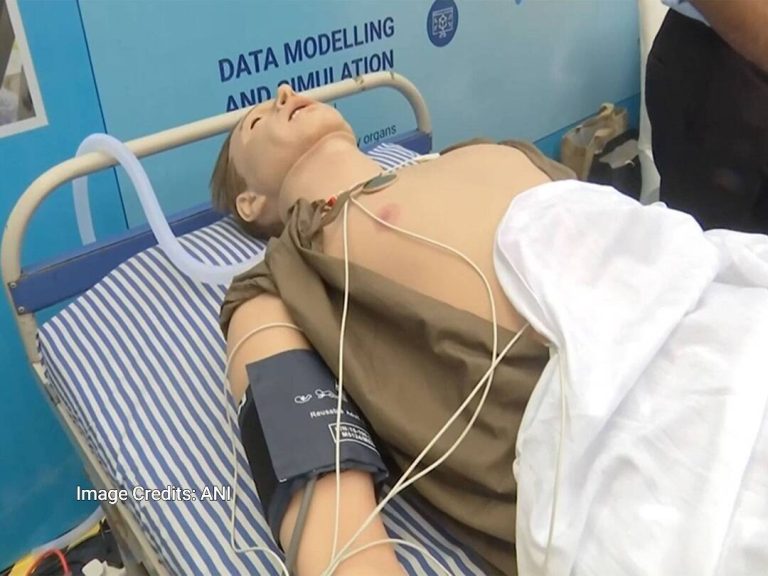
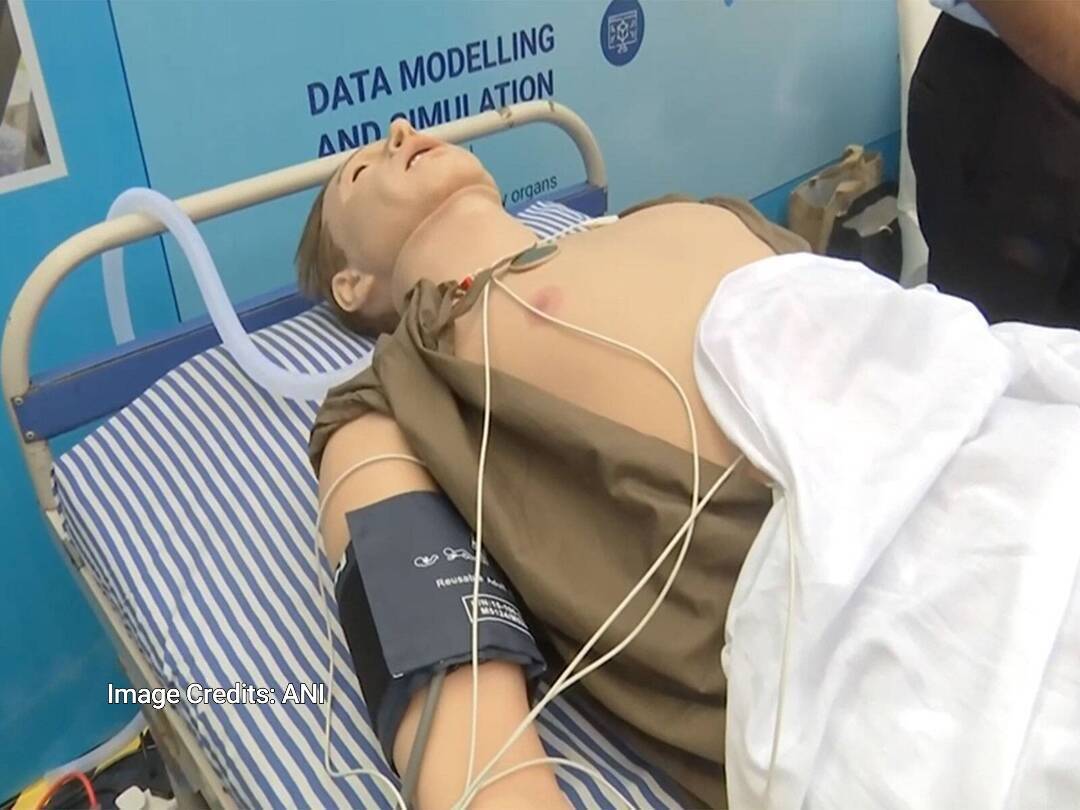
In a groundbreaking achievement, the Indian Institute of Technology (IIT) Indore has developed an artificial intelligence (AI)-powered human-like replica that can aid in the detection of diseases in the human body. According to a report by ANI, this innovative technology has the potential to revolutionize the field of medicine by enabling early and preventive diagnosis of various diseases. The AI-powered replica is designed to mimic basic human functions, such as blinking and breathing, making it an ideal tool for medical professionals to study and understand the patterns of diseases in different organs.
The development of this AI human replica is a significant milestone in the field of medical research, as it can help doctors and researchers to better understand the complexities of the human body and the behavior of diseases. The replica can be used to simulate various scenarios, allowing medical professionals to test and analyze different treatment options, identify potential risks, and develop more effective diagnostic tools. This technology has the potential to transform the way diseases are diagnosed and treated, enabling healthcare providers to deliver more personalized and targeted care to patients.
One of the key features of the AI human replica is its ability to imitate basic human functions, such as blinking and breathing. This allows the replica to mimic the natural behavior of the human body, making it an ideal tool for studying the patterns of diseases in different organs. The replica can also be programmed to simulate various health conditions, enabling medical professionals to test and analyze different treatment options and identify potential risks. This technology has the potential to revolutionize the field of medicine, enabling healthcare providers to deliver more personalized and targeted care to patients.
The development of the AI human replica is also expected to have a significant impact on medical education and training. The replica can be used to train medical students and professionals, allowing them to practice and hone their skills in a simulated environment. This can help to reduce the risk of errors and improve patient outcomes, as medical professionals will be able to practice and refine their skills in a safe and controlled environment. The replica can also be used to educate patients about various health conditions, enabling them to take a more active role in their care and make informed decisions about their health.
The use of AI in healthcare is not new, but the development of a human-like replica is a significant advancement in this field. AI has been used in various applications, such as diagnostic imaging, patient data analysis, and personalized medicine. However, the development of a human-like replica takes the use of AI in healthcare to a new level, enabling medical professionals to study and understand the behavior of diseases in a more realistic and dynamic way. The replica can be used to simulate various scenarios, allowing medical professionals to test and analyze different treatment options and identify potential risks.
The development of the AI human replica is also expected to have a significant impact on the field of medical research. The replica can be used to study the behavior of diseases in different organs, enabling researchers to develop more effective diagnostic tools and treatment options. The replica can also be used to test and analyze new treatments and therapies, enabling researchers to identify potential risks and benefits. This technology has the potential to accelerate the development of new treatments and therapies, enabling healthcare providers to deliver more effective care to patients.
In addition to its potential to revolutionize the field of medicine, the AI human replica also raises important questions about the ethics of using AI in healthcare. As AI becomes more advanced and sophisticated, there is a growing need to consider the ethical implications of using this technology in healthcare. The use of AI in healthcare raises important questions about patient privacy, data security, and the potential for bias in decision-making. These are complex issues that require careful consideration and debate, as the use of AI in healthcare has the potential to transform the way diseases are diagnosed and treated.
In conclusion, the development of the AI human replica by IIT Indore is a significant achievement that has the potential to revolutionize the field of medicine. The replica can be used to simulate various scenarios, allowing medical professionals to test and analyze different treatment options and identify potential risks. The replica can also be used to educate patients about various health conditions, enabling them to take a more active role in their care and make informed decisions about their health. As the use of AI in healthcare continues to evolve, it is essential to consider the ethical implications of this technology and ensure that it is used in a responsible and transparent way.
About the Author