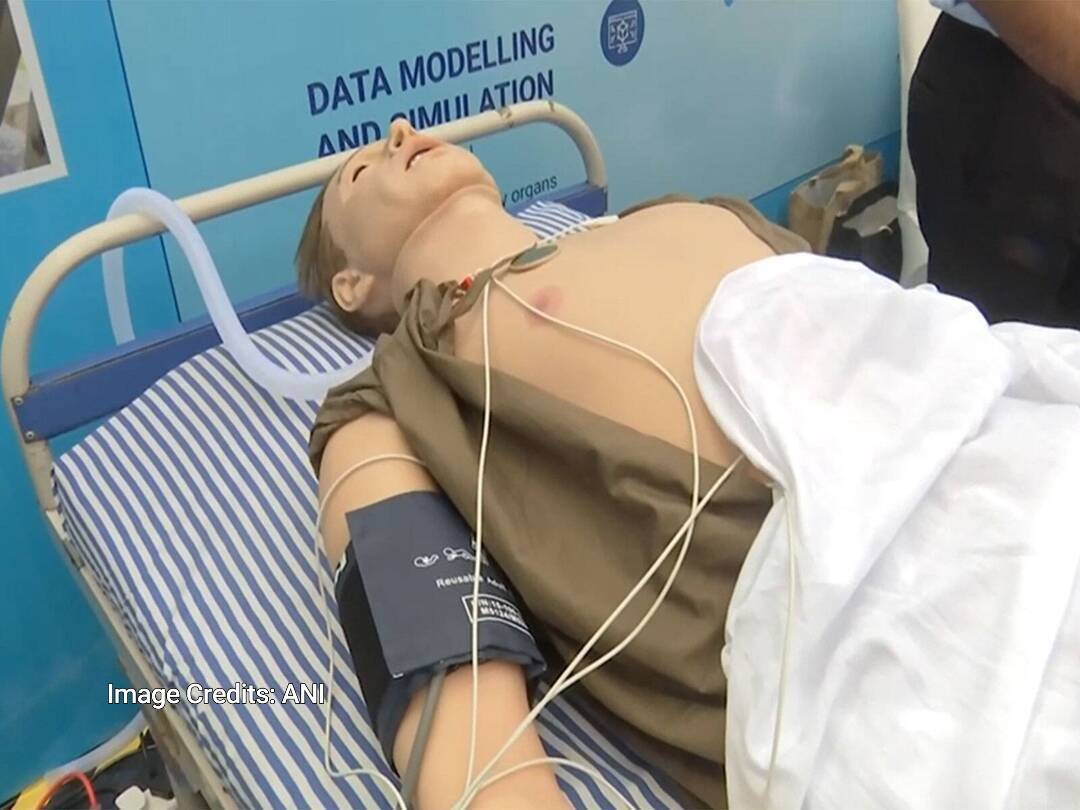
IIT Indore creates AI human replica to help detect diseases
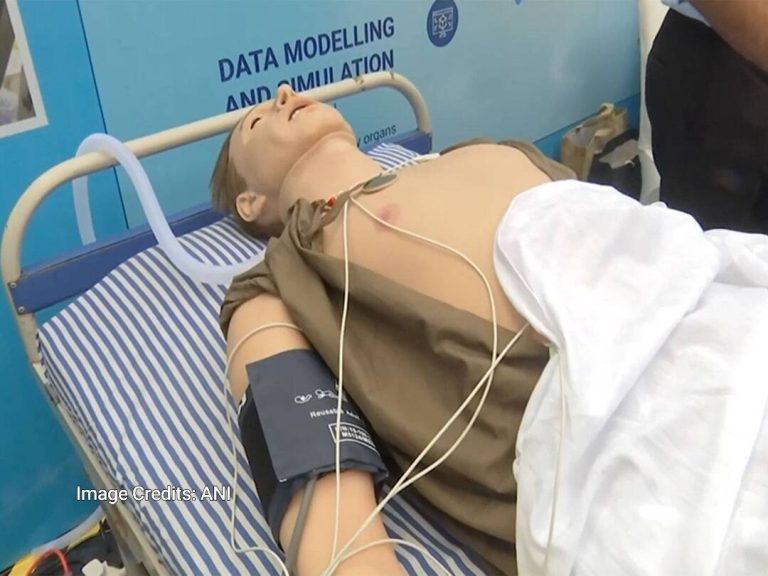
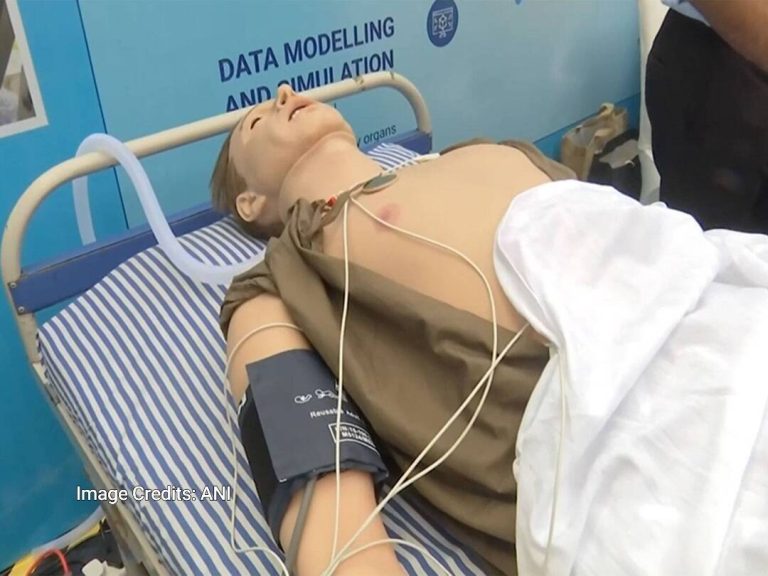
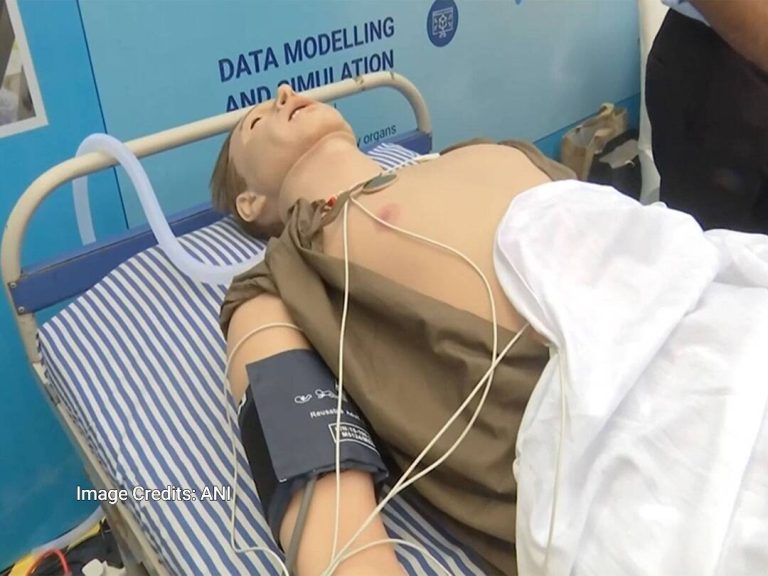
The Indian Institute of Technology (IIT) Indore has made a groundbreaking achievement in the field of medical technology by developing an AI-powered human-like replica. This innovative creation is designed to detect diseases in the human body, and it has the potential to revolutionize the way doctors diagnose and treat various health conditions. According to a report by ANI, the AI-powered replica can mimic basic human functions like blinking and breathing, making it an incredibly realistic and useful tool for medical professionals.
The AI human replica is equipped with advanced technology that enables it to imitate the patterns of various diseases in different organs of the human body. This allows doctors to study and understand the progression of diseases in a more detailed and accurate manner. The replica can be used to simulate various scenarios, making it an invaluable asset for medical research and training. By using this technology, doctors can identify the early signs of diseases and develop more effective treatment plans.
One of the most significant advantages of the AI human replica is its ability to aid in early and preventive diagnosis. By detecting diseases at an early stage, doctors can provide timely treatment and prevent the condition from worsening. This can lead to better patient outcomes and improved healthcare overall. The AI-powered replica can also help reduce the need for invasive and expensive medical procedures, making healthcare more accessible and affordable for people.
The development of the AI human replica is a testament to the innovative spirit and capabilities of IIT Indore. The institution has been at the forefront of technological advancements in various fields, and this achievement is a significant milestone in the field of medical technology. The use of AI and machine learning in healthcare has been gaining momentum in recent years, and this development is a major step forward in this direction.
The AI human replica can be used in a variety of ways to improve healthcare. For example, it can be used to train medical students and professionals, allowing them to practice and hone their skills in a realistic and risk-free environment. It can also be used to test new treatments and medications, reducing the need for human trials and minimizing the risk of adverse reactions. Additionally, the replica can be used to educate patients about their conditions and treatment options, empowering them to take a more active role in their healthcare.
The potential applications of the AI human replica are vast and varied. It can be used to detect and diagnose a wide range of diseases, from cardiovascular conditions to neurological disorders. It can also be used to develop personalized treatment plans, taking into account the unique characteristics and needs of each patient. With its advanced technology and realistic simulation capabilities, the AI human replica has the potential to revolutionize the field of healthcare and improve patient outcomes.
In conclusion, the development of the AI human replica by IIT Indore is a significant achievement that has the potential to transform the field of healthcare. With its advanced technology and realistic simulation capabilities, the replica can aid in early and preventive diagnosis, improve medical training and education, and enhance patient outcomes. As the use of AI and machine learning in healthcare continues to grow, innovations like the AI human replica will play an increasingly important role in shaping the future of medical technology.
About the Author