IIT Indore creates AI human replica to help detect diseases
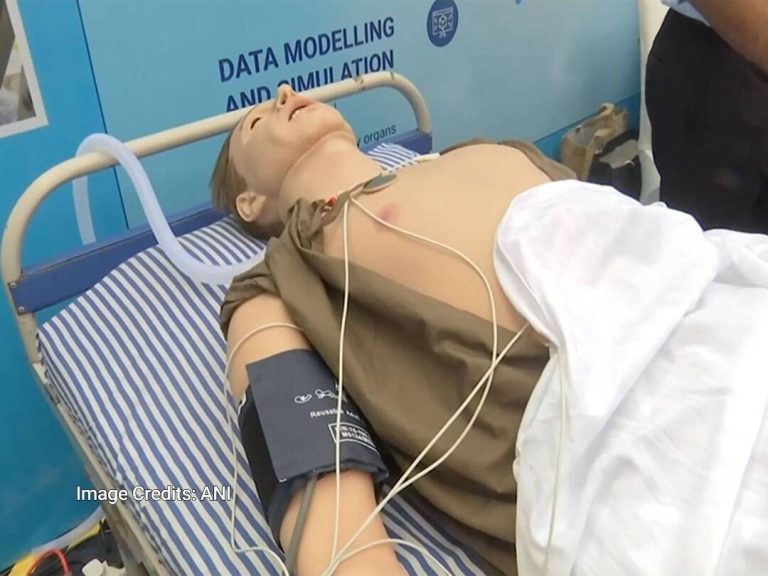
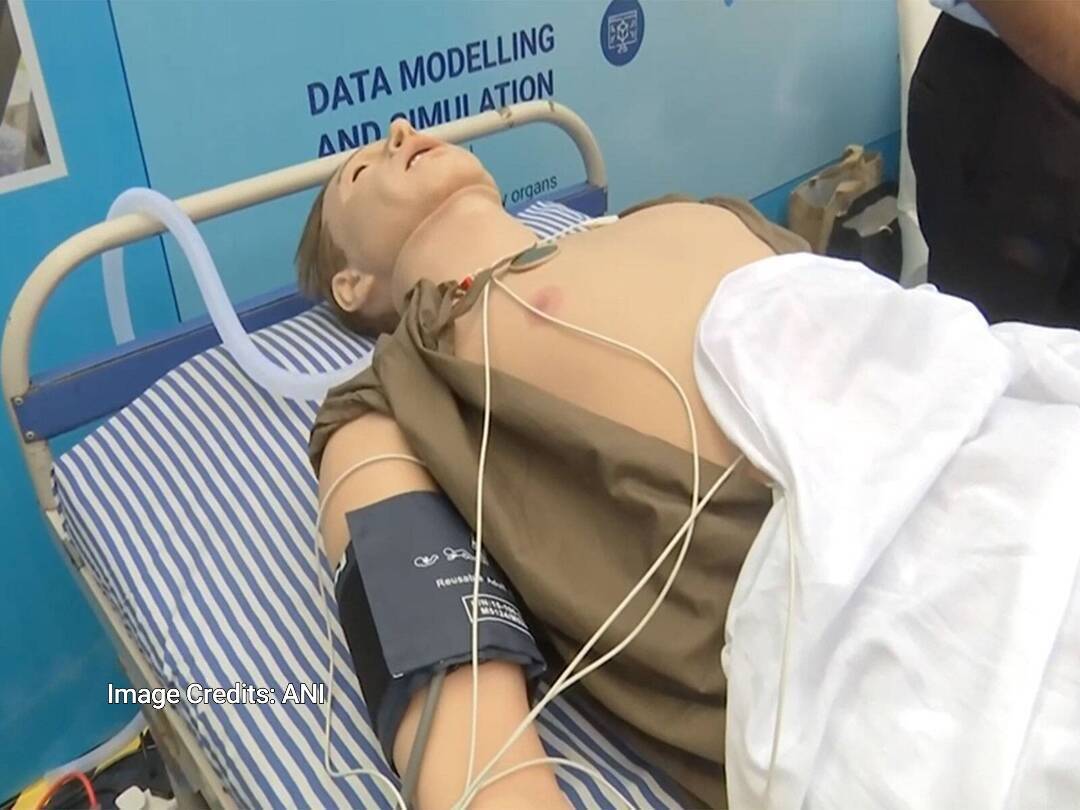
In a groundbreaking development, the Indian Institute of Technology (IIT) Indore has successfully created an AI-powered human-like replica that can be used to detect diseases in the human body. This innovative technology has the potential to revolutionize the field of medicine, enabling doctors to identify diseases at an early stage and provide preventive diagnosis. According to a report by ANI, the replica can mimic basic human functions like blinking and breathing, making it an invaluable tool for medical professionals.
The AI-powered human-like replica is a significant breakthrough in the field of artificial intelligence and healthcare. The technology uses advanced algorithms and machine learning techniques to simulate human-like functions, allowing it to interact with its environment in a highly realistic way. The replica can be used to detect diseases in various organs, including the heart, lungs, and liver, by identifying patterns and anomalies that may indicate the presence of a disease.
One of the most significant advantages of this technology is its ability to aid doctors in early and preventive diagnosis. By using the AI-powered human-like replica, medical professionals can identify diseases at a much earlier stage, increasing the chances of successful treatment and reducing the risk of complications. This is particularly important for diseases that are difficult to detect, such as cancer, where early diagnosis can significantly improve treatment outcomes.
The AI-powered human-like replica can also be used to train medical students and professionals, providing them with a highly realistic and interactive learning experience. The technology can simulate a wide range of scenarios, allowing medical professionals to practice and hone their skills in a safe and controlled environment. This can help to reduce the risk of medical errors and improve patient outcomes.
The development of the AI-powered human-like replica is also expected to have a significant impact on the field of medical research. The technology can be used to simulate the behavior of diseases in different organs, allowing researchers to study the progression of diseases and identify potential targets for treatment. This can lead to the development of new and more effective treatments, improving patient outcomes and saving lives.
The use of AI-powered human-like replicas in medicine is not a new concept, but the technology developed by IIT Indore is highly advanced and sophisticated. The replica can interact with its environment in a highly realistic way, making it an invaluable tool for medical professionals. The technology is also highly customizable, allowing it to be tailored to meet the specific needs of different medical applications.
The development of the AI-powered human-like replica is a testament to the ingenuity and innovation of the researchers at IIT Indore. The technology has the potential to revolutionize the field of medicine, enabling doctors to identify diseases at an early stage and provide preventive diagnosis. As the technology continues to evolve and improve, it is likely to have a significant impact on the field of healthcare, improving patient outcomes and saving lives.
In conclusion, the AI-powered human-like replica developed by IIT Indore is a groundbreaking technology that has the potential to revolutionize the field of medicine. The technology can be used to detect diseases in the human body, aid doctors in early and preventive diagnosis, and train medical students and professionals. The development of this technology is a significant breakthrough in the field of artificial intelligence and healthcare, and it is likely to have a major impact on the field of medicine in the years to come.
About the Author