IIT Indore creates AI human replica to help detect diseases
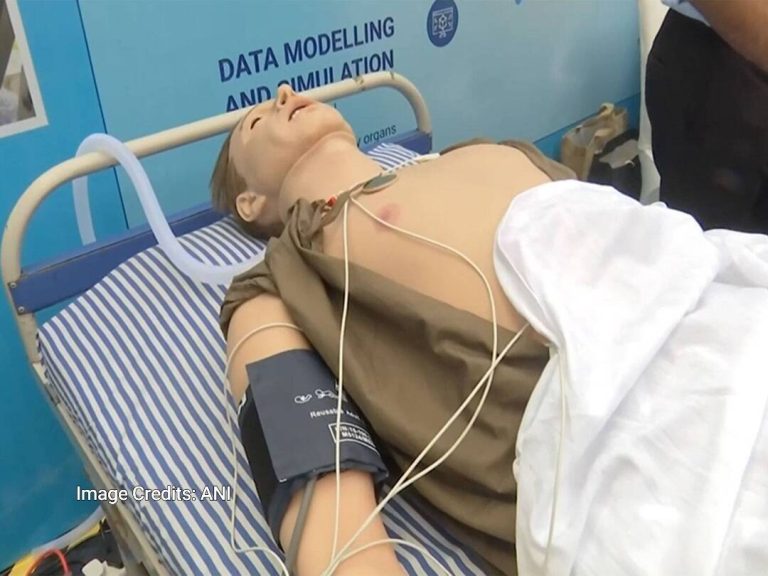
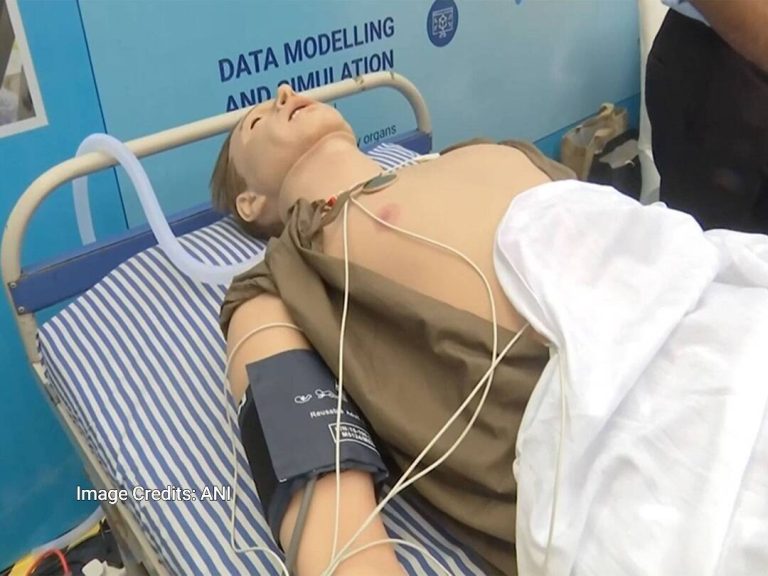
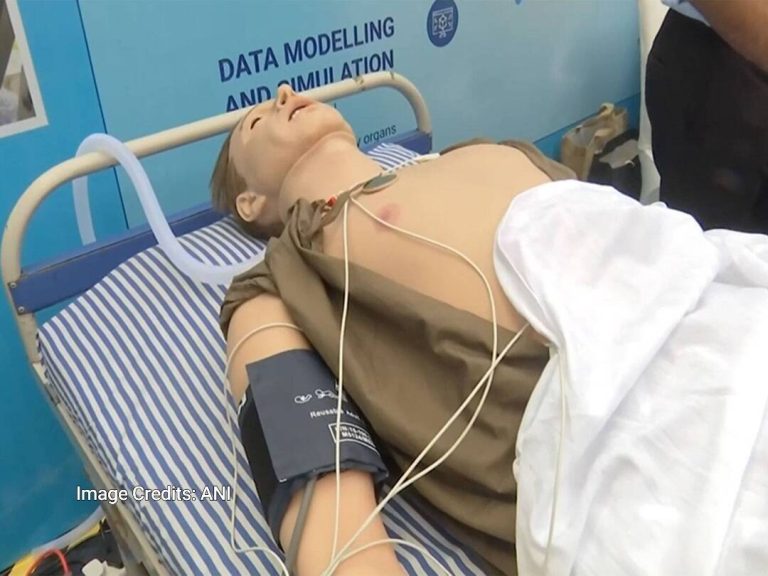
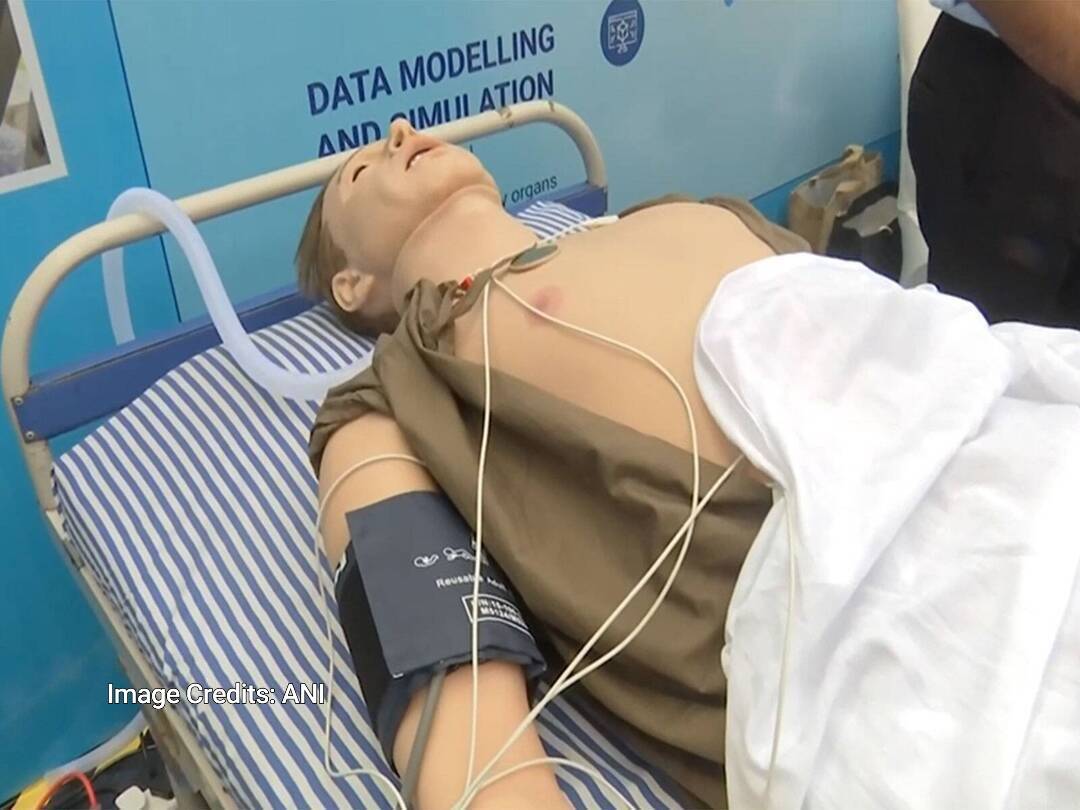
The Indian Institute of Technology (IIT) Indore has made a groundbreaking achievement in the field of artificial intelligence (AI) and healthcare. According to a report by ANI, the institution has developed an AI-powered human-like replica that can be used to detect diseases in the human body. This innovative technology has the potential to revolutionize the way doctors diagnose and treat diseases, and it’s an exciting development for the medical community.
The AI-powered human replica is designed to mimic basic human functions, such as blinking and breathing. This allows it to simulate the behavior of a real human body, making it an ideal tool for testing and analysis. The replica can be used to identify patterns of diseases in different organs, which can aid doctors in early and preventive diagnosis. This is a significant breakthrough, as early detection is often the key to successful treatment and recovery.
The AI robot is equipped with advanced algorithms that enable it to learn and adapt to different scenarios. It can be programmed to simulate various health conditions, allowing doctors to test and refine their diagnostic techniques. This can be particularly useful for rare or complex diseases, where diagnosis can be challenging. The replica can also be used to train medical students and young doctors, providing them with a realistic and interactive learning experience.
One of the most significant advantages of the AI-powered human replica is its ability to reduce the risk of error in diagnosis. Human doctors, no matter how skilled and experienced, can make mistakes. The AI robot, on the other hand, can analyze data and identify patterns with a high degree of accuracy. This can help doctors to make more informed decisions and provide better care for their patients.
The development of the AI-powered human replica is also a testament to the potential of collaboration between technology and healthcare. The fusion of AI and medicine has led to numerous breakthroughs in recent years, from personalized medicine to robotic surgery. The IIT Indore’s innovation is a shining example of how technology can be harnessed to improve human health and wellbeing.
The use of AI in healthcare is not new, but the creation of a human-like replica is a significant milestone. It demonstrates the ability of AI to mimic human behavior and simulate complex biological processes. This technology has the potential to be used in a wide range of applications, from disease diagnosis to drug development.
The IIT Indore’s achievement is also a reflection of India’s growing reputation as a hub for innovation and technology. The country has made significant strides in recent years, with numerous startups and institutions working on cutting-edge projects. The development of the AI-powered human replica is a proud moment for India, and it showcases the country’s potential to make a meaningful contribution to the global healthcare community.
In conclusion, the IIT Indore’s creation of an AI-powered human replica is a groundbreaking achievement that has the potential to revolutionize the field of healthcare. The replica’s ability to simulate human functions and identify disease patterns makes it an invaluable tool for doctors and medical researchers. As the technology continues to evolve and improve, we can expect to see significant advancements in disease diagnosis and treatment. The future of healthcare is exciting, and innovations like the AI-powered human replica are paving the way for a brighter and healthier tomorrow.
About the Author