IIT Indore creates AI human replica to help detect diseases
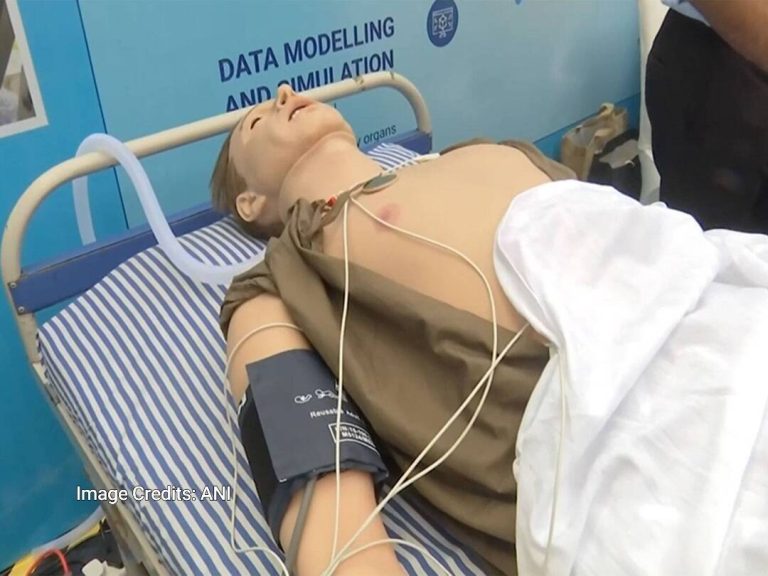
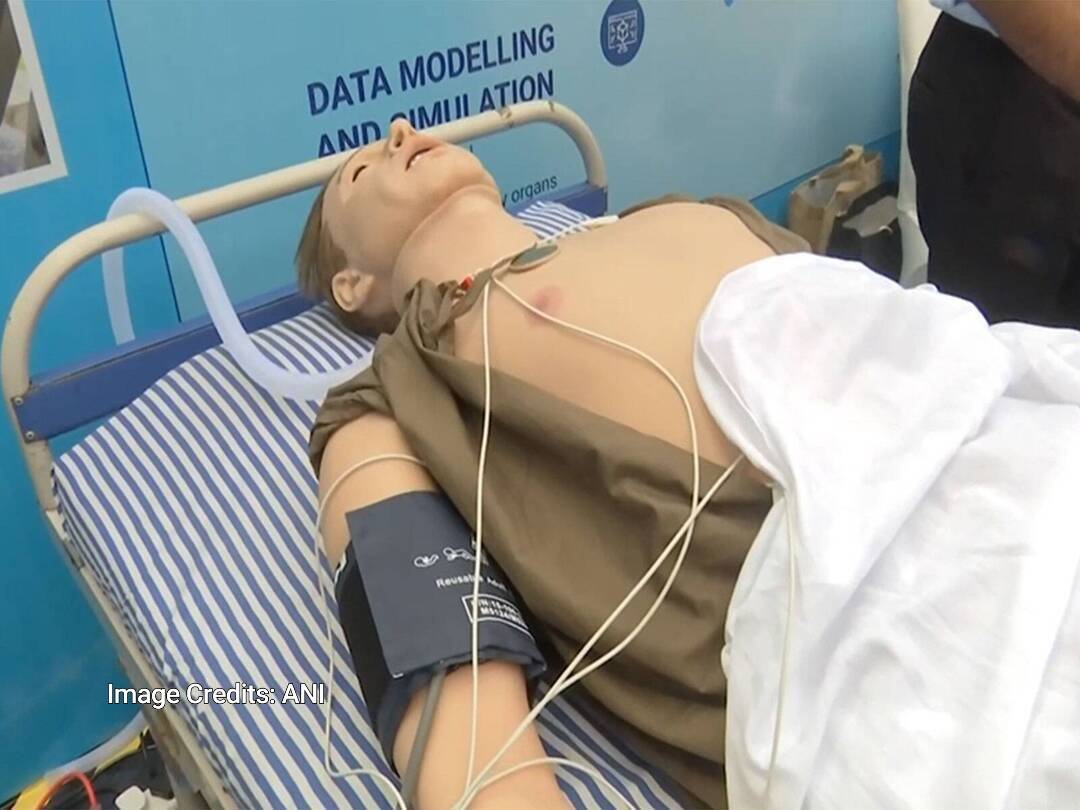
In a groundbreaking development, the Indian Institute of Technology (IIT) Indore has successfully created an AI-powered human-like replica that can be used to detect diseases in the human body. According to a report by ANI, this innovative technology has the potential to revolutionize the field of medicine by aiding doctors in early and preventive diagnosis. The AI-powered replica is designed to mimic basic human functions such as blinking and breathing, making it an invaluable tool for medical professionals.
The human-like replica, powered by artificial intelligence, is capable of simulating various human functions, allowing doctors to study the patterns of diseases in different organs. This technology can be particularly useful in identifying diseases that are difficult to detect in their early stages, such as cancer, diabetes, and cardiovascular disease. By analyzing the patterns of these diseases in the AI-powered replica, doctors can develop more effective treatment plans and improve patient outcomes.
One of the most significant advantages of this technology is its ability to aid in preventive diagnosis. By identifying potential health risks before they become major problems, doctors can take proactive measures to prevent diseases from developing. This can be especially beneficial for individuals who are at high risk of developing certain diseases due to genetic or environmental factors. With the help of the AI-powered replica, doctors can monitor these individuals more closely and take steps to prevent diseases from occurring.
The AI-powered replica can also be used to train medical students and professionals. By simulating various medical scenarios, the replica can provide a realistic and immersive learning experience, allowing medical students to practice and hone their skills in a safe and controlled environment. This can help to reduce the risk of medical errors and improve patient care.
In addition to its potential applications in medicine, the AI-powered replica can also be used in other fields such as education and research. For example, the replica can be used to teach students about human anatomy and physiology, allowing them to gain a deeper understanding of the human body and its functions. The replica can also be used to conduct research on human diseases, allowing scientists to study the underlying causes of diseases and develop new treatments.
The development of the AI-powered human-like replica is a testament to the innovative spirit of IIT Indore and its commitment to advancing the field of medicine. The institution has a long history of developing cutting-edge technologies, and this latest development is a significant milestone in its ongoing efforts to improve human health and well-being.
The use of artificial intelligence in medicine is a rapidly growing field, and the development of the AI-powered replica is just one example of the many exciting innovations that are emerging. As AI technology continues to evolve, we can expect to see even more sophisticated and powerful tools for detecting and treating diseases. With the help of institutions like IIT Indore, the future of medicine looks bright, and we can expect to see significant improvements in patient care and outcomes.
In conclusion, the development of the AI-powered human-like replica by IIT Indore is a significant breakthrough in the field of medicine. With its ability to simulate human functions and aid in the detection of diseases, this technology has the potential to revolutionize the way we approach healthcare. As we continue to push the boundaries of what is possible with AI, we can expect to see even more exciting innovations in the years to come.
About the Author