IIT Indore creates AI human replica to help detect diseases
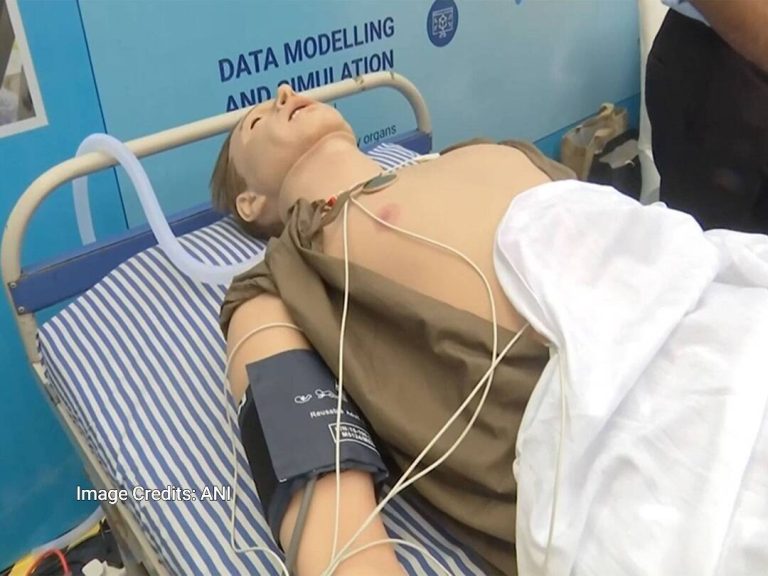
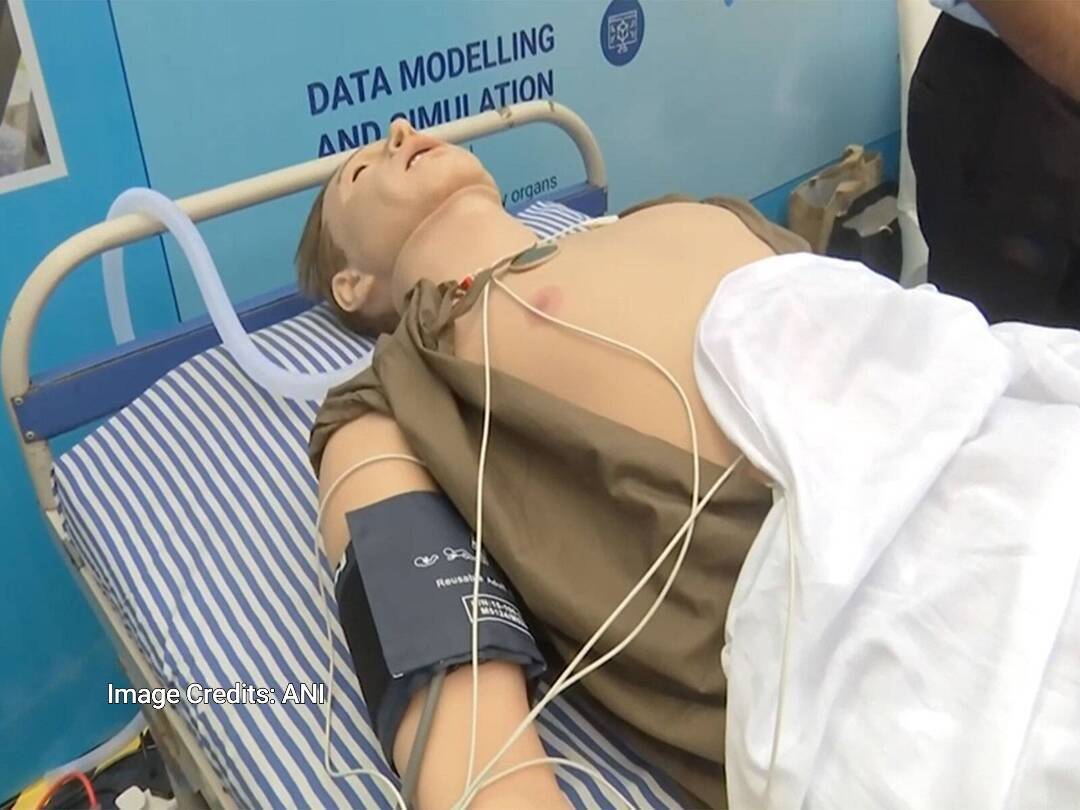
The Indian Institute of Technology (IIT) Indore has made a groundbreaking achievement in the field of artificial intelligence and medical research. According to a report by ANI, the institution has developed an AI-powered human-like replica that can be used to detect diseases in the human body. This innovative technology has the potential to revolutionize the way doctors diagnose and treat diseases, and could lead to significant advancements in the field of medicine.
The AI-powered human replica is designed to imitate basic human functions such as blinking and breathing, making it an incredibly realistic and effective tool for medical research. The replica can aid in the identification of disease patterns in different organs, allowing doctors to detect diseases at an early stage and provide preventive diagnosis. This technology has the potential to save countless lives and improve the quality of healthcare services worldwide.
The development of this AI-powered human replica is a testament to the innovative spirit and technological prowess of IIT Indore. The institution has been at the forefront of research and development in various fields, including artificial intelligence, machine learning, and biomedical engineering. The creation of this human-like replica is a significant milestone in the institution’s quest to develop cutting-edge technologies that can benefit humanity.
The AI-powered human replica can simulate various human functions, including cardiovascular, respiratory, and neurological systems. This allows doctors to study the behavior of diseases in a highly realistic and controlled environment, enabling them to develop more effective treatment plans. The replica can also be used to test new medical devices and drugs, reducing the need for human trials and minimizing the risk of adverse reactions.
One of the most significant advantages of this technology is its ability to aid in early diagnosis. Many diseases, such as cancer, cardiovascular disease, and neurological disorders, can be treated more effectively if detected at an early stage. The AI-powered human replica can help doctors identify disease patterns and detect anomalies in the human body, allowing for prompt and effective treatment.
The development of this technology also has significant implications for medical education and training. The AI-powered human replica can be used to train medical students and doctors, allowing them to practice and hone their skills in a highly realistic and safe environment. This can help reduce medical errors and improve patient outcomes, ultimately leading to better healthcare services.
In addition to its potential applications in medicine, the AI-powered human replica can also be used in various other fields, such as robotics, engineering, and computer science. The technology can be used to develop more advanced robots and machines that can mimic human functions, leading to significant advancements in these fields.
The creation of the AI-powered human replica is a significant achievement that demonstrates the potential of artificial intelligence and machine learning in transforming various industries. As this technology continues to evolve and improve, we can expect to see significant advancements in the field of medicine and beyond.
In conclusion, the development of the AI-powered human replica by IIT Indore is a groundbreaking achievement that has the potential to revolutionize the way doctors diagnose and treat diseases. The technology can aid in early diagnosis, improve medical education and training, and lead to significant advancements in various fields. As we continue to push the boundaries of what is possible with artificial intelligence and machine learning, we can expect to see even more innovative technologies that can benefit humanity.
About the Author