IIT Bombay’s AI speeds up hurricane damage assessment
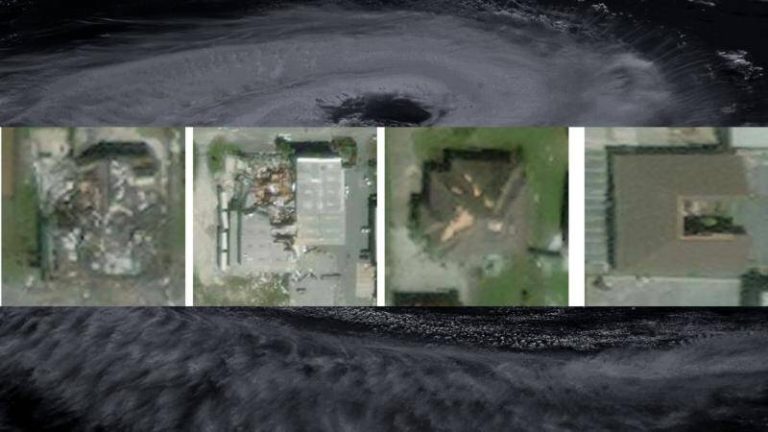
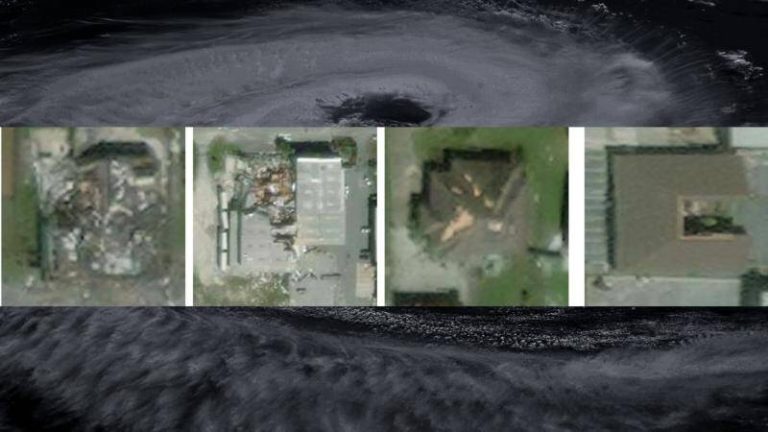
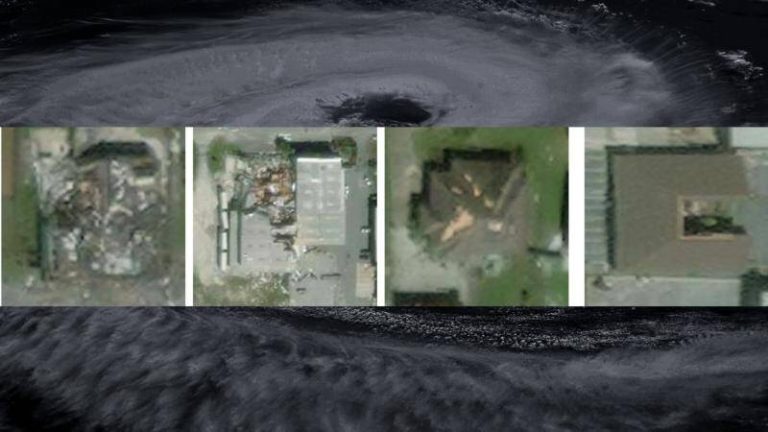
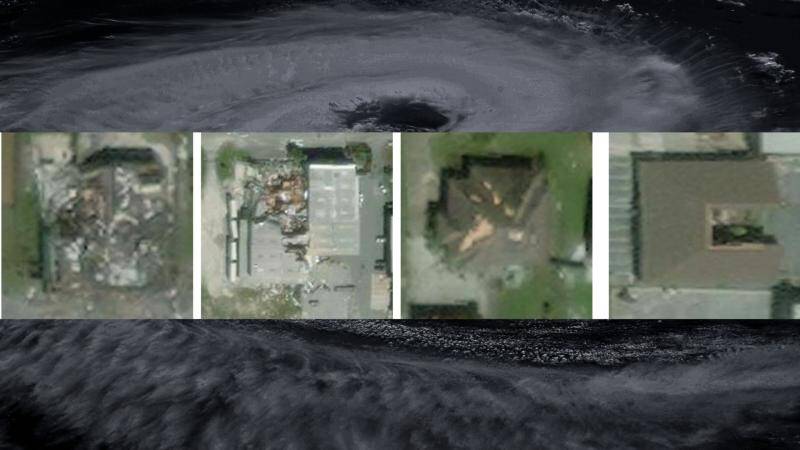
Hurricanes are one of the most destructive natural disasters, causing widespread damage to infrastructure, homes, and lives. The aftermath of a hurricane is a critical period, where rapid damage assessment is essential for effective disaster response and relief efforts. However, traditional methods of damage assessment, such as manual surveys, are time-consuming and often hindered by inaccessible areas. To address this challenge, researchers at the Indian Institute of Technology (IIT) Bombay have developed an innovative AI model, SpADANet, which can quickly and accurately identify building damage from aerial images.
SpADANet, a spatially aware deep learning model, is designed to overcome the “domain gap” – a common problem in AI models where the performance degrades when applied to new, unseen data. This limitation is particularly significant in hurricane damage assessment, where the destruction caused by each storm is unique, and the availability of relevant data is often limited. By adapting to different storms with minimal data, SpADANet can be applied to various disaster scenarios, making it a valuable tool for global disaster response efforts.
One of the key features of SpADANet is its ability to utilize spatial context to improve damage assessment. Traditional AI models rely on individual image features, such as texture and color, to identify damage. In contrast, SpADANet considers the spatial relationships between buildings, roads, and other infrastructure, enabling it to better understand the context of the damage. This spatial awareness allows the model to outperform existing methods, which often struggle to distinguish between actual damage and other environmental factors, such as shadows or debris.
The development of SpADANet is a significant breakthrough in the field of disaster response, as it has the potential to revolutionize the way damage assessment is conducted. By leveraging aerial images, which are often readily available after a disaster, SpADANet can provide critical information on the extent of damage, allowing relief teams to prioritize their efforts and allocate resources more effectively. Moreover, the model’s ability to adapt to different storms and environments makes it an invaluable tool for disaster response efforts globally.
The researchers at IIT Bombay have also optimized SpADANet for mobile devices, enabling it to be used in the field, where access to high-performance computing infrastructure may be limited. This feature is particularly important in disaster scenarios, where rapid assessment and response are crucial. By using mobile devices, disaster response teams can quickly assess damage and transmit critical information to relief coordination centers, facilitating a more efficient and effective response.
The potential applications of SpADANet extend beyond hurricane damage assessment. The model’s spatial awareness and adaptability make it suitable for a wide range of disaster scenarios, including earthquakes, floods, and wildfires. By providing accurate and timely information on damage, SpADANet can help reduce the risk of secondary disasters, such as structural collapses or hazardous material releases. Furthermore, the model can be used to inform long-term recovery efforts, enabling policymakers and urban planners to develop more resilient and sustainable infrastructure.
The development of SpADANet is a testament to the power of AI in disaster response and recovery. By harnessing the capabilities of deep learning models, researchers can create innovative solutions that address some of the most pressing challenges in disaster management. As the frequency and severity of natural disasters continue to increase, the need for effective and efficient damage assessment tools will only grow. SpADANet, with its spatial awareness and adaptability, is an important step towards meeting this need, and its impact is likely to be felt in disaster response efforts around the world.
In conclusion, the development of SpADANet by IIT Bombay researchers is a significant breakthrough in the field of disaster response. By providing a rapid and accurate means of damage assessment, SpADANet has the potential to revolutionize the way disaster response efforts are conducted. Its ability to adapt to different storms and environments, combined with its spatial awareness and optimization for mobile devices, make it an invaluable tool for disaster response teams globally. As the world continues to grapple with the challenges of natural disasters, innovative solutions like SpADANet will play an increasingly important role in saving lives and reducing the impact of these events.
News Source: https://researchmatters.in/news/novel-spatially-aware-ai-model-makes-hurricane-damage-assessment-more-accurate
About the Author