IIT Bombay’s AI speeds up hurricane damage assessment
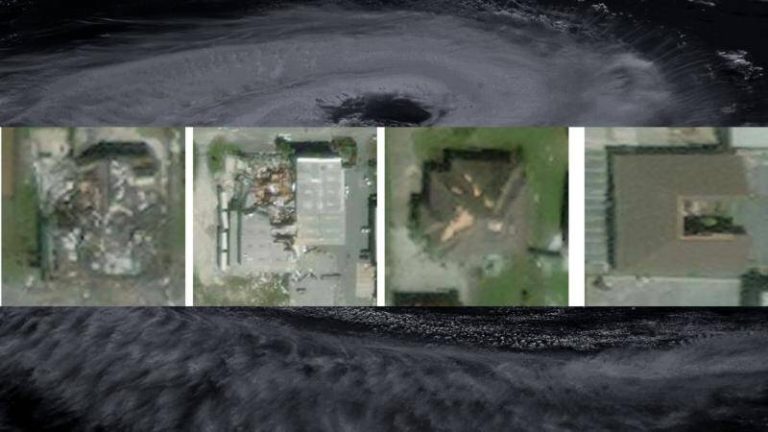
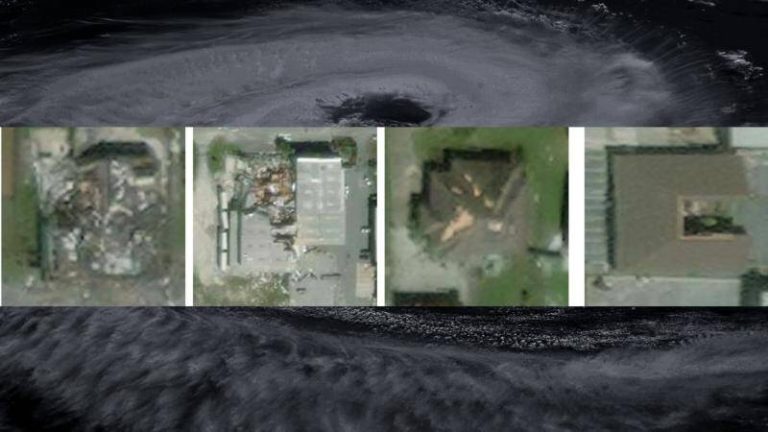
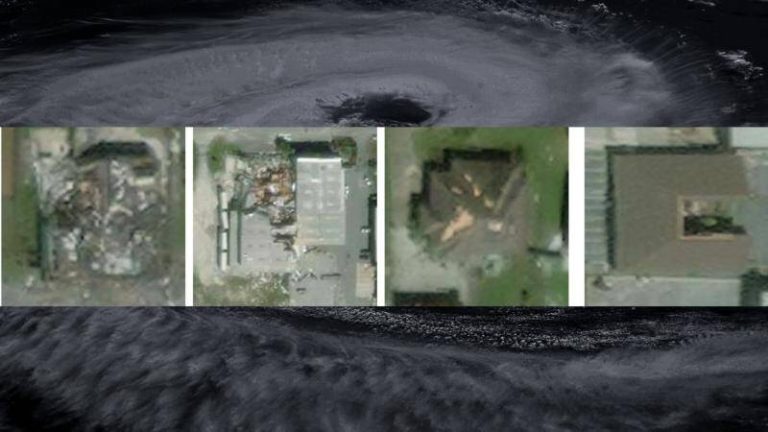
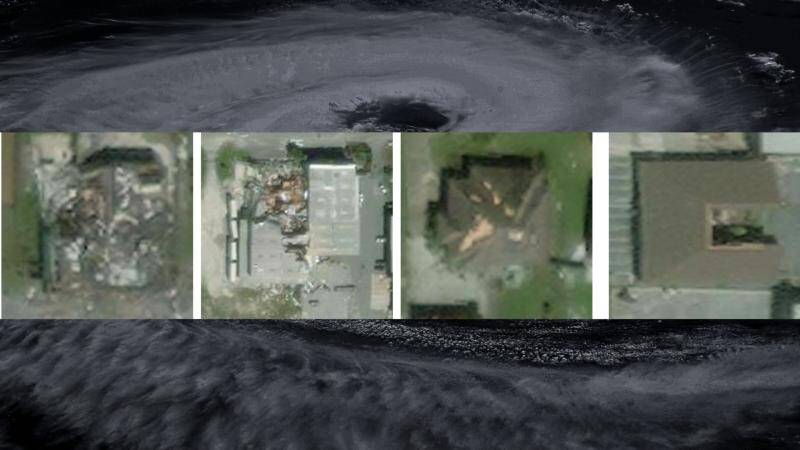
Hurricanes are one of the most destructive natural disasters, causing widespread damage to infrastructure, property, and human life. Assessing the damage caused by these storms is a crucial step in providing relief and support to affected communities. However, traditional methods of damage assessment can be time-consuming, labor-intensive, and often inaccurate. To address this challenge, researchers at the Indian Institute of Technology (IIT) Bombay have developed an innovative AI model called SpADANet, which can quickly and accurately identify building damage from aerial images.
SpADANet is a spatially aware AI model that uses deep learning techniques to analyze aerial images and detect building damage. What sets it apart from existing methods is its ability to overcome the “domain gap,” which refers to the difference in data distribution between the training and testing datasets. This allows SpADANet to adapt to different storms and environments with minimal data, making it a highly versatile and effective tool for damage assessment.
One of the key features of SpADANet is its ability to use spatial context to improve its accuracy. By analyzing the spatial relationships between buildings and other features in the aerial images, SpADANet can better understand the context of the damage and make more accurate predictions. This is particularly important in hurricane damage assessment, where the extent of damage can vary greatly depending on the location and surroundings of the affected buildings.
Another significant advantage of SpADANet is its optimization for mobile devices. This means that the model can be deployed on smartphones and other mobile devices, allowing emergency responders and relief workers to quickly assess damage in the field. This can significantly improve the speed and effectiveness of disaster response efforts, enabling teams to prioritize areas of need and allocate resources more efficiently.
The development of SpADANet has the potential to revolutionize the field of hurricane damage assessment. By providing a fast, accurate, and adaptable tool for assessing damage, SpADANet can help emergency responders and relief workers to respond more quickly and effectively to disasters. This can save lives, reduce suffering, and minimize the economic impact of hurricanes.
The team of researchers at IIT Bombay who developed SpADANet are excited about the potential of their model to make a positive impact on disaster response efforts. “Our goal is to provide a tool that can help emergency responders and relief workers to assess damage quickly and accurately, so that they can focus on providing support and relief to affected communities,” said one of the researchers.
The development of SpADANet is also a testament to the power of AI and machine learning in addressing complex real-world problems. By leveraging advances in deep learning and computer vision, researchers can develop innovative solutions that can make a significant difference in people’s lives.
In addition to its potential applications in hurricane damage assessment, SpADANet could also be used in other areas, such as environmental monitoring, infrastructure inspection, and urban planning. The model’s ability to analyze aerial images and detect changes in the environment could be highly valuable in a range of contexts, from monitoring deforestation and land degradation to inspecting bridges and roads.
Overall, the development of SpADANet is an exciting breakthrough in the field of AI and disaster response. By providing a fast, accurate, and adaptable tool for assessing damage, SpADANet has the potential to make a significant impact on disaster response efforts and save lives. As the world becomes increasingly vulnerable to natural disasters, innovative solutions like SpADANet are more important than ever.
In conclusion, the SpADANet model developed by IIT Bombay researchers is a significant innovation in the field of hurricane damage assessment. Its ability to overcome the “domain gap,” use spatial context, and optimize for mobile devices makes it a powerful tool for emergency responders and relief workers. As the world continues to face the challenges of climate change and natural disasters, the development of SpADANet is a reminder of the importance of innovation and technological advancements in addressing these challenges.
News Source: https://researchmatters.in/news/novel-spatially-aware-ai-model-makes-hurricane-damage-assessment-more-accurate
About the Author