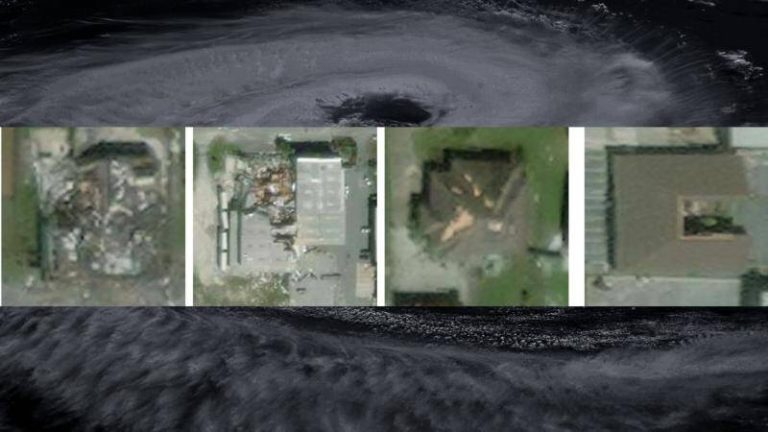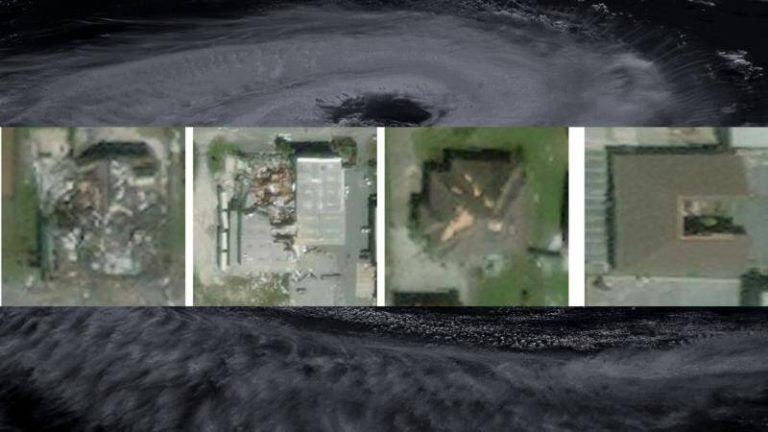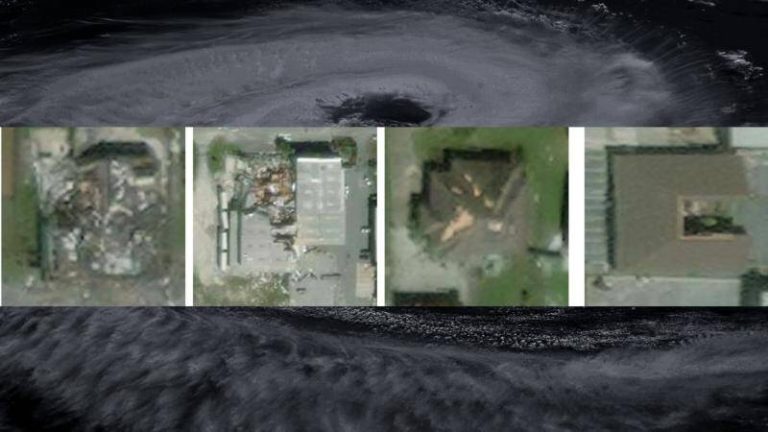
IIT Bombay’s AI speeds up hurricane damage assessment
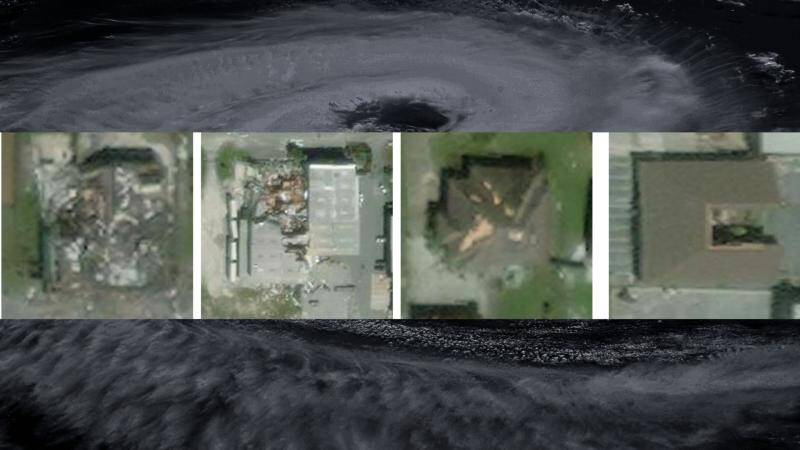
Hurricanes are one of the most destructive natural disasters, causing widespread damage to infrastructure, properties, and human life. The aftermath of a hurricane is a critical period, where timely assessment of damage is crucial for effective disaster response and relief efforts. However, traditional methods of damage assessment are often time-consuming, labor-intensive, and prone to errors. To address this challenge, researchers at the Indian Institute of Technology (IIT) Bombay have developed an innovative AI model called SpADANet, which can quickly and accurately identify building damage from aerial images.
SpADANet is a spatially aware AI model that uses deep learning techniques to analyze aerial images and detect damaged buildings. What sets SpADANet apart from existing methods is its ability to overcome the “domain gap,” which refers to the difference in data distribution between training and testing datasets. This means that SpADANet can adapt to different storms and environments with minimal data, making it a versatile and effective tool for hurricane damage assessment.
One of the key challenges in developing AI models for damage assessment is the lack of high-quality training data. Traditional methods require large amounts of labeled data, which can be difficult to obtain, especially in the aftermath of a disaster. SpADANet addresses this challenge by using a novel approach that incorporates spatial context into the model. By analyzing the relationships between buildings and their surroundings, SpADANet can better understand the damage patterns and make more accurate predictions.
SpADANet has been optimized for mobile devices, making it a valuable tool for disaster response teams who need to assess damage quickly and accurately in the field. The model can be used on a variety of devices, from smartphones to drones, and can provide real-time feedback to responders. This can help to prioritize relief efforts, allocate resources more effectively, and ultimately save lives.
The development of SpADANet is a significant breakthrough in the field of disaster response and relief. Traditional methods of damage assessment can take days or even weeks to complete, which can delay relief efforts and exacerbate the suffering of affected communities. SpADANet, on the other hand, can provide accurate assessments in a matter of hours, allowing responders to act quickly and effectively.
The potential applications of SpADANet are vast and far-reaching. The model can be used to assess damage from a variety of disasters, including hurricanes, earthquakes, and floods. It can also be used to monitor infrastructure and detect potential hazards, such as damaged buildings or bridges. By providing real-time feedback and analysis, SpADANet can help to prevent disasters from occurring in the first place.
The researchers at IIT Bombay who developed SpADANet are excited about the potential of their model to improve disaster response and relief efforts. “Our goal is to make SpADANet a valuable tool for disaster responders and relief organizations around the world,” said one of the researchers. “We believe that our model has the potential to save lives and reduce suffering, and we are committed to continuing to develop and improve it.”
In conclusion, the development of SpADANet is a significant breakthrough in the field of disaster response and relief. By providing accurate and timely assessments of damage, SpADANet can help to improve relief efforts and reduce the suffering of affected communities. As the world becomes increasingly vulnerable to natural disasters, the need for innovative solutions like SpADANet has never been more pressing. With its ability to adapt to different storms and environments, SpADANet has the potential to become a valuable tool for disaster responders and relief organizations around the world.
The development of SpADANet is a testament to the power of AI and machine learning to drive innovation and improve lives. As researchers continue to develop and refine SpADANet, it is likely that the model will become an essential tool for disaster response and relief efforts. With its potential to save lives and reduce suffering, SpADANet is an exciting development that holds great promise for the future.
In the aftermath of a hurricane, every minute counts. The ability to quickly and accurately assess damage is critical to effective disaster response and relief efforts. With SpADANet, disaster responders and relief organizations have a powerful new tool at their disposal. By leveraging the power of AI and machine learning, SpADANet can help to improve relief efforts and reduce the suffering of affected communities.
As the world continues to grapple with the challenges of natural disasters, the development of SpADANet is a welcome breakthrough. By providing accurate and timely assessments of damage, SpADANet can help to save lives and reduce suffering. With its potential to adapt to different storms and environments, SpADANet is a valuable tool that can be used in a variety of contexts.
In the future, it is likely that SpADANet will become an essential tool for disaster response and relief efforts. As researchers continue to develop and refine the model, it is likely that SpADANet will become even more accurate and effective. With its potential to improve relief efforts and reduce suffering, SpADANet is an exciting development that holds great promise for the future.
News Source: https://researchmatters.in/news/novel-spatially-aware-ai-model-makes-hurricane-damage-assessment-more-accurate
About the Author