IIT Bombay’s AI speeds up hurricane damage assessment
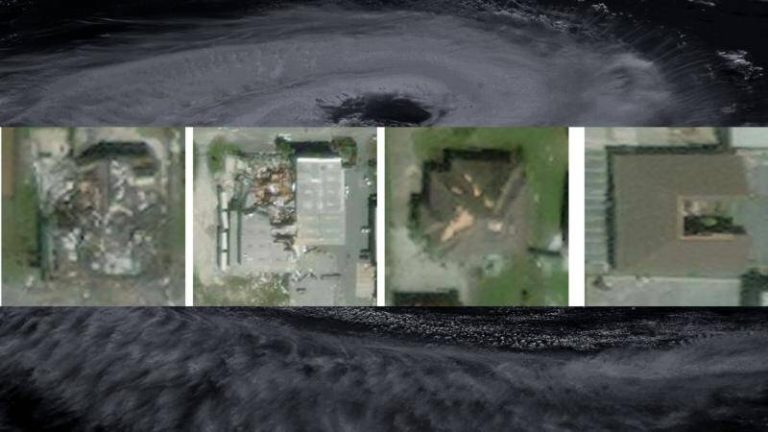
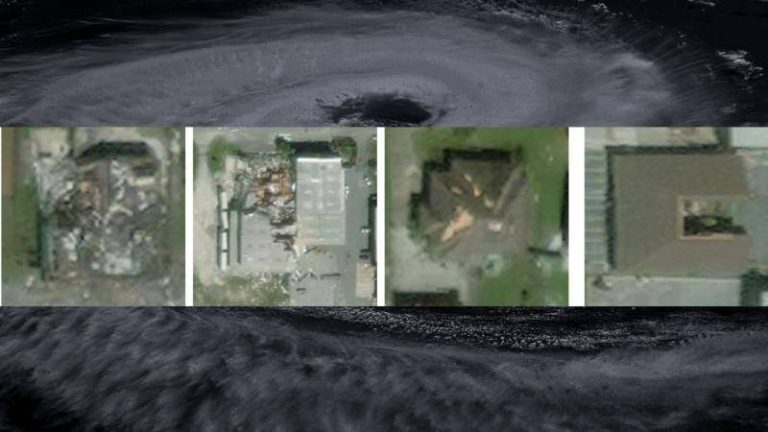
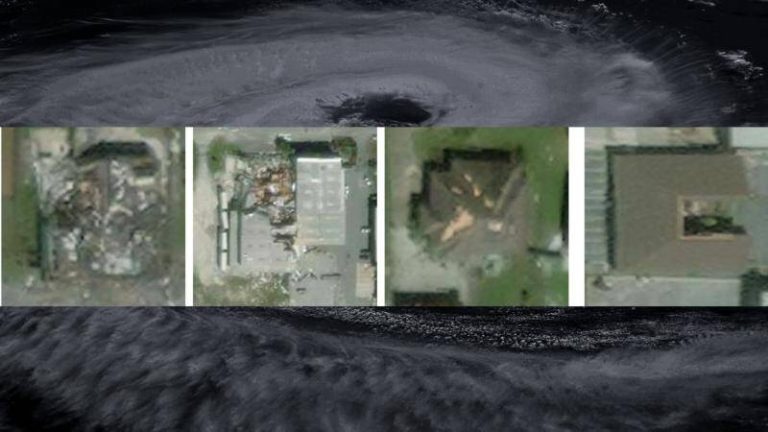
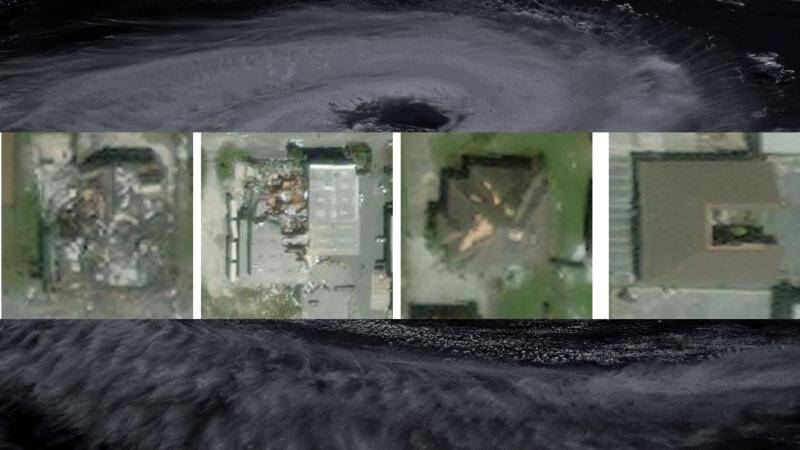
Hurricanes are one of the most destructive natural disasters, causing widespread damage to infrastructure, property, and human life. The aftermath of a hurricane is a critical period, where quick and accurate assessment of the damage is essential for effective disaster response and relief efforts. However, traditional methods of damage assessment can be time-consuming, labor-intensive, and often inaccurate. To address this challenge, researchers at the Indian Institute of Technology (IIT) Bombay have developed an artificial intelligence (AI) model that can rapidly assess hurricane damage from aerial images.
The AI model, called SpADANet, uses deep learning techniques to identify building damage from aerial images. What sets SpADANet apart from existing methods is its ability to overcome the “domain gap,” which refers to the difference in appearance between images of the same scene taken under different conditions. This allows SpADANet to adapt to different storms with minimal data, making it a valuable tool for disaster response efforts.
SpADANet is also optimized for mobile devices, making it easily accessible to disaster response teams in the field. The model uses spatial context to improve its accuracy, taking into account the relationships between different objects in an image. This allows it to outperform existing methods, which often rely on simplistic approaches that do not account for the complexities of real-world scenes.
The development of SpADANet is a significant breakthrough in the field of disaster response, as it has the potential to revolutionize the way damage assessment is carried out. Traditional methods of damage assessment involve sending teams of experts to survey the affected area, which can be time-consuming and labor-intensive. With SpADANet, disaster response teams can quickly assess the extent of the damage from aerial images, allowing them to prioritize their efforts and allocate resources more effectively.
The potential applications of SpADANet are vast, and it could be used in a variety of disaster scenarios, including hurricanes, earthquakes, and floods. The model’s ability to adapt to different storms with minimal data makes it a valuable tool for disaster response efforts in different parts of the world. Additionally, its optimization for mobile devices makes it easily accessible to disaster response teams in the field, who can use it to quickly assess the damage and respond accordingly.
The development of SpADANet is also a testament to the power of AI in disaster response. AI models like SpADANet can process large amounts of data quickly and accurately, making them ideal for applications where speed and accuracy are critical. The use of AI in disaster response is a growing field, with researchers and developers exploring new ways to use machine learning and deep learning techniques to improve disaster response efforts.
In conclusion, the development of SpADANet by IIT Bombay researchers is a significant breakthrough in the field of disaster response. The AI model’s ability to rapidly assess hurricane damage from aerial images, overcome the “domain gap,” and adapt to different storms with minimal data makes it a valuable tool for disaster response efforts. Its optimization for mobile devices and use of spatial context to improve accuracy make it a powerful tool that can be used in a variety of disaster scenarios. As the field of disaster response continues to evolve, it is likely that we will see more innovative applications of AI and machine learning, and SpADANet is an exciting example of what is possible.
The development of SpADANet is also a reminder of the importance of investing in research and development, particularly in areas like AI and machine learning. The potential applications of SpADANet are vast, and it has the potential to make a significant impact on disaster response efforts around the world. As we look to the future, it is likely that we will see more innovative applications of AI and machine learning in disaster response, and SpADANet is an exciting example of what is possible.
In the aftermath of a hurricane, every minute counts, and the ability to quickly assess the damage is critical. With SpADANet, disaster response teams can respond more quickly and effectively, saving lives and reducing the impact of the disaster. The development of SpADANet is a significant breakthrough, and it has the potential to make a real difference in the lives of people affected by hurricanes and other disasters.
As we look to the future, it is likely that we will see more innovative applications of AI and machine learning in disaster response. The potential applications of SpADANet are vast, and it has the potential to make a significant impact on disaster response efforts around the world. With its ability to rapidly assess hurricane damage from aerial images, overcome the “domain gap,” and adapt to different storms with minimal data, SpADANet is an exciting example of what is possible.
News Source: https://researchmatters.in/news/novel-spatially-aware-ai-model-makes-hurricane-damage-assessment-more-accurate
About the Author