IIT Bombay’s AI speeds up hurricane damage assessment
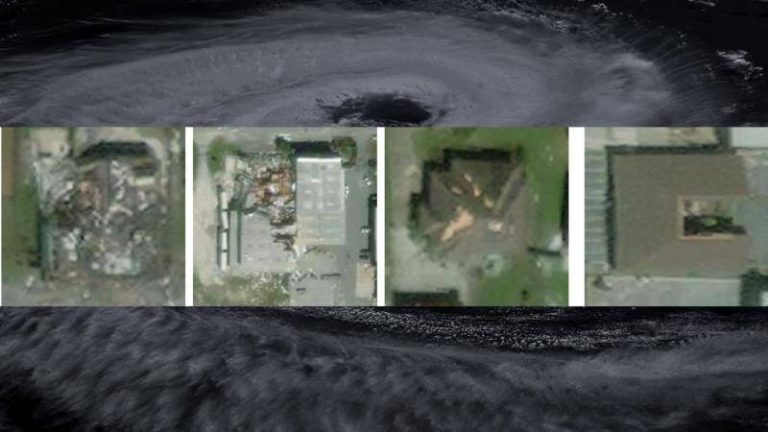
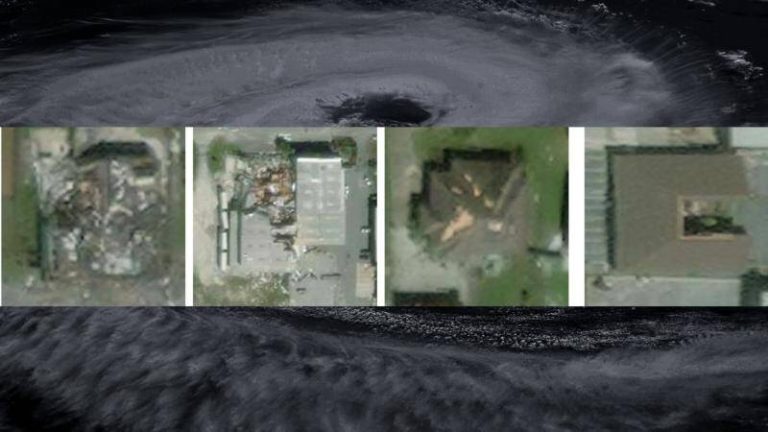
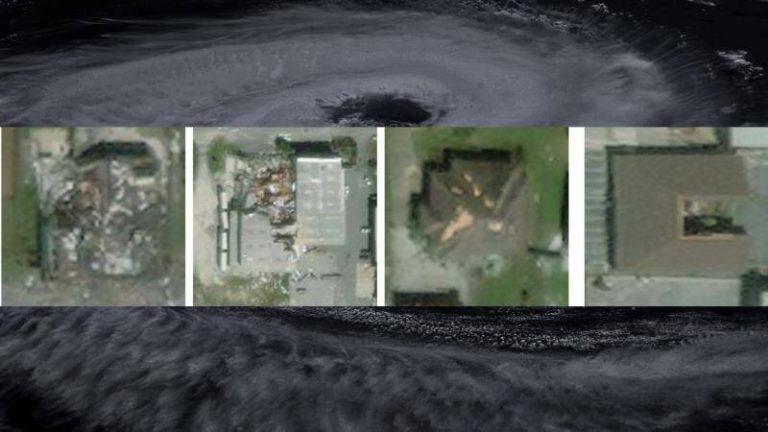
Natural disasters like hurricanes can cause catastrophic damage to infrastructure, leaving thousands of people homeless and without access to basic necessities. In the aftermath of such disasters, quickly assessing the damage is crucial for relief efforts. However, traditional methods of damage assessment can be time-consuming and labor-intensive, delaying the provision of aid to those who need it most. To address this challenge, researchers at the Indian Institute of Technology (IIT) Bombay have developed an artificial intelligence (AI) model that can rapidly assess hurricane damage from aerial images.
The AI model, called SpADANet, uses spatial context to identify building damage from aerial images. What sets SpADANet apart from existing methods is its ability to overcome the “domain gap,” which refers to the differences in appearance and characteristics of images taken in different locations and under various conditions. This adaptability allows SpADANet to be applied to different storms with minimal data, making it a valuable tool for disaster response efforts worldwide.
SpADANet’s development is a significant breakthrough in the field of disaster damage assessment. Traditional methods rely on manual inspection of aerial images, which can be a tedious and time-consuming process. Moreover, these methods often require a large amount of labeled data, which can be difficult to obtain, especially in the aftermath of a disaster. SpADANet, on the other hand, can learn from a small amount of data and adapt to new environments, making it a more efficient and effective solution.
One of the key features of SpADANet is its ability to use spatial context to identify building damage. By analyzing the relationships between different objects in an image, such as buildings, roads, and vegetation, SpADANet can better understand the context in which the damage has occurred. This allows the model to make more accurate predictions about the extent of the damage.
Another significant advantage of SpADANet is its optimization for mobile devices. This means that the model can be deployed on smartphones and other mobile devices, allowing disaster response teams to assess damage in real-time, even in areas with limited access to computers or other equipment. This can significantly improve the speed and effectiveness of relief efforts, as teams can quickly identify areas of need and allocate resources accordingly.
The development of SpADANet has the potential to make a significant impact on disaster response and relief efforts globally. By providing a rapid and accurate means of assessing hurricane damage, SpADANet can help emergency responders to prioritize their efforts, allocate resources more effectively, and ultimately save lives. Moreover, the model’s adaptability and ability to learn from minimal data make it a valuable tool for responding to a wide range of disasters, from hurricanes to earthquakes and floods.
In addition to its practical applications, SpADANet also has the potential to contribute to the development of more advanced AI models for disaster damage assessment. By overcoming the “domain gap” and using spatial context to identify building damage, SpADANet demonstrates the potential of AI to improve our ability to respond to and recover from natural disasters.
The development of SpADANet is a testament to the power of innovation and collaboration in addressing some of the world’s most pressing challenges. By bringing together experts from different fields and disciplines, researchers at IIT Bombay have created a tool that has the potential to make a real difference in the lives of people affected by natural disasters.
In conclusion, the development of SpADANet is a significant breakthrough in the field of disaster damage assessment. By providing a rapid and accurate means of assessing hurricane damage, SpADANet has the potential to improve disaster response and relief efforts globally. Its adaptability, ability to learn from minimal data, and optimization for mobile devices make it a valuable tool for emergency responders and a testament to the power of innovation and collaboration in addressing some of the world’s most pressing challenges.
About the Author