IIT Bombay’s AI speeds up hurricane damage assessment
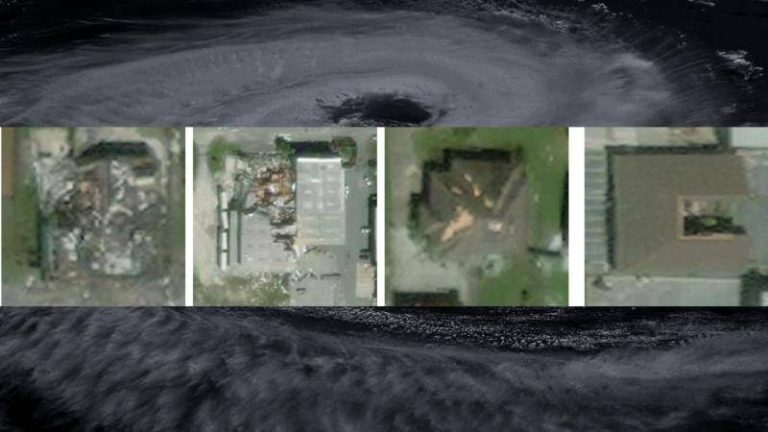
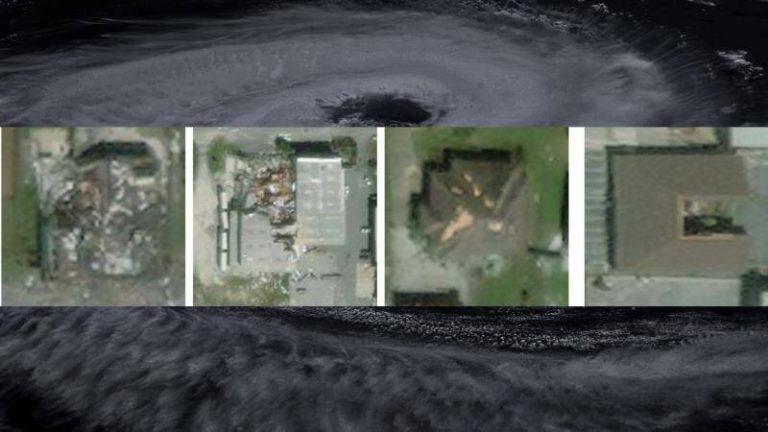
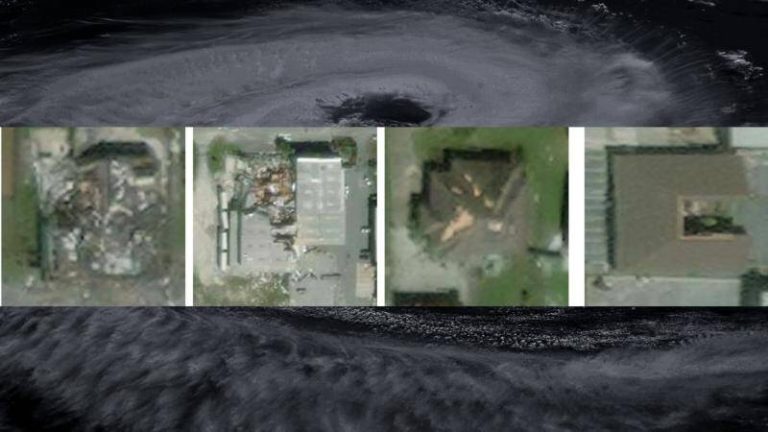
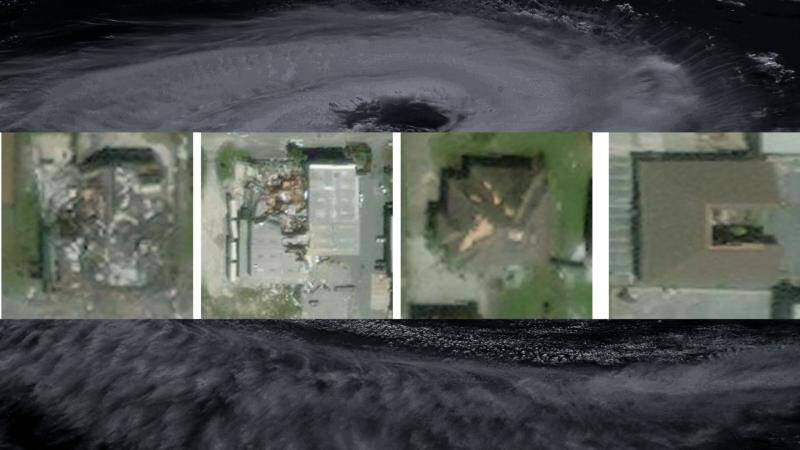
Hurricanes are one of the most destructive natural disasters, causing widespread damage to infrastructure, buildings, and human life. The aftermath of a hurricane is a critical period, where quick assessment of damage is essential for rescue operations, relief efforts, and rebuilding. However, traditional methods of damage assessment are time-consuming, labor-intensive, and often inaccurate. To address this challenge, researchers at the Indian Institute of Technology (IIT) Bombay have developed an innovative AI model called SpADANet, which can rapidly identify building damage from aerial images.
The SpADANet model is a significant breakthrough in the field of disaster response and relief efforts. It uses spatial context to analyze aerial images and identify damaged buildings, making it more accurate and efficient than existing methods. The model is also optimized for mobile devices, allowing it to be used in the field, where it is needed most. This technology has the potential to revolutionize the way we respond to hurricanes and other natural disasters, saving lives, and reducing the economic impact of these events.
One of the major challenges in developing AI models for disaster response is the “domain gap” problem. This refers to the fact that AI models trained on data from one storm or region may not perform well when applied to another storm or region. This is because the characteristics of the damage, the type of buildings, and the environment can vary significantly from one place to another. SpADANet overcomes this challenge by using a novel approach that allows it to adapt to different storms and regions with minimal data. This makes it a highly versatile and effective tool for disaster response efforts.
The SpADANet model uses a combination of machine learning algorithms and spatial analysis techniques to identify damaged buildings from aerial images. It takes into account the spatial context of the image, including the location, orientation, and proximity of buildings to each other. This allows it to better understand the relationships between different features in the image and make more accurate predictions. The model is also designed to learn from limited data, making it possible to deploy it in situations where large amounts of training data are not available.
The development of SpADANet is a significant achievement for the researchers at IIT Bombay. It demonstrates the power of AI and machine learning in addressing some of the world’s most pressing challenges. The model has the potential to be used in a variety of disaster response scenarios, including hurricanes, earthquakes, and floods. It can also be used for other applications, such as monitoring infrastructure, tracking changes in the environment, and predicting the impact of climate change.
The use of SpADANet in hurricane damage assessment has several advantages over traditional methods. Firstly, it is much faster, allowing for rapid assessment of damage in the aftermath of a storm. This enables emergency responders to quickly identify areas of need and allocate resources accordingly. Secondly, it is more accurate, reducing the risk of false positives or false negatives. This ensures that resources are targeted effectively, and that those in need receive the help they require. Finally, it is more cost-effective, reducing the need for manual surveys and minimizing the risk of damage to personnel and equipment.
The potential impact of SpADANet is enormous. It could significantly improve real-time disaster response and relief efforts globally. By providing rapid and accurate assessments of damage, it could help save lives, reduce suffering, and minimize the economic impact of disasters. It could also be used to inform policy decisions, such as the allocation of resources, the development of infrastructure, and the implementation of disaster mitigation measures.
In conclusion, the development of SpADANet by researchers at IIT Bombay is a significant breakthrough in the field of disaster response and relief efforts. The model’s ability to rapidly identify building damage from aerial images, using spatial context and minimal data, makes it a powerful tool for emergency responders and policymakers. Its potential impact is enormous, and it could significantly improve the way we respond to hurricanes and other natural disasters. As the world continues to face the challenges of climate change, and the frequency and severity of natural disasters increase, the need for innovative solutions like SpADANet will only continue to grow.
News Source: https://researchmatters.in/news/novel-spatially-aware-ai-model-makes-hurricane-damage-assessment-more-accurate
About the Author