IIT Bombay’s AI speeds up hurricane damage assessment
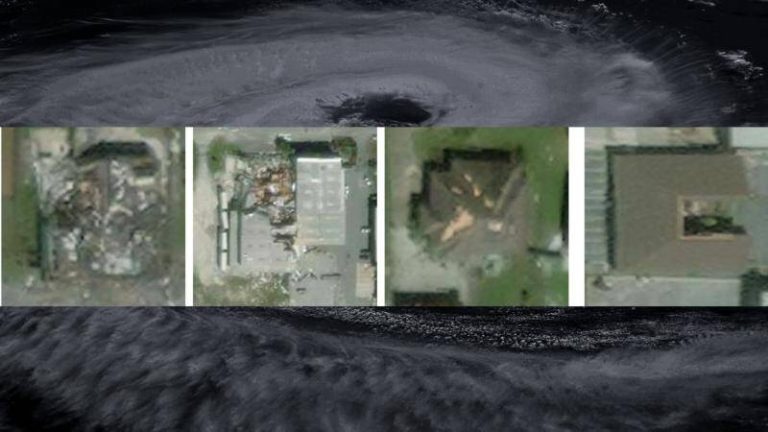
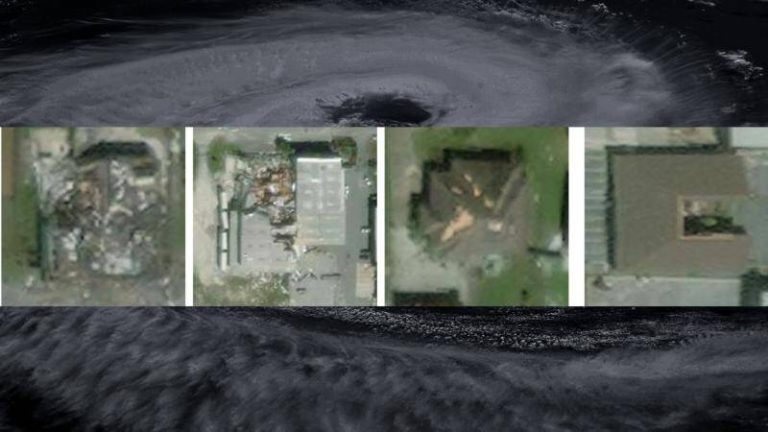
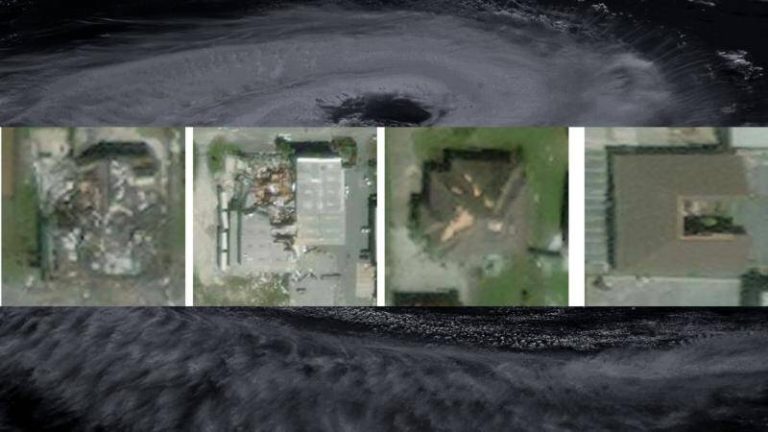
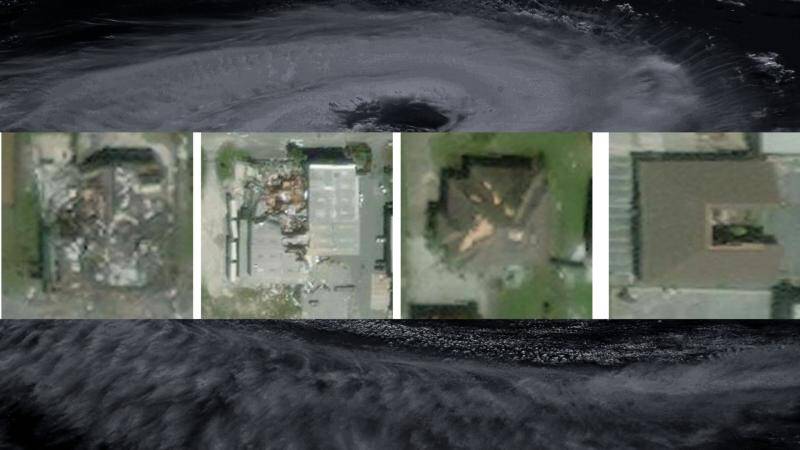
Natural disasters like hurricanes can cause catastrophic damage to buildings and infrastructure, leaving thousands of people without shelter or access to basic necessities. In the aftermath of such disasters, quickly assessing the extent of the damage is crucial for relief efforts and providing aid to those in need. However, traditional methods of damage assessment can be time-consuming and labor-intensive, involving manual surveys and on-site inspections. To address this challenge, researchers at the Indian Institute of Technology (IIT) Bombay have developed an innovative AI model called SpADANet, which can rapidly identify building damage from aerial images.
SpADANet is a spatially aware deep learning model that uses aerial images to detect and classify building damage. What sets it apart from existing methods is its ability to overcome the “domain gap,” which refers to the difference in appearance between images taken in different environments or conditions. This means that SpADANet can adapt to different storms and environments with minimal data, making it a highly versatile and effective tool for damage assessment.
One of the key advantages of SpADANet is its ability to use spatial context to improve its accuracy. By analyzing the relationships between neighboring buildings and other features in the aerial images, SpADANet can better understand the extent of the damage and provide more accurate assessments. This is particularly important in areas where buildings are densely packed, as it allows SpADANet to distinguish between damaged and undamaged buildings with greater precision.
Another significant advantage of SpADANet is its optimization for mobile devices. This means that the model can be deployed on smartphones or other mobile devices, allowing disaster response teams to quickly assess damage in the field. This can be particularly useful in areas where access to desktop computers or other equipment may be limited, and can help to speed up the relief efforts.
The development of SpADANet has the potential to significantly improve real-time disaster response and relief efforts globally. By providing rapid and accurate assessments of building damage, SpADANet can help emergency responders to prioritize their efforts and allocate resources more effectively. This can help to save lives, reduce the risk of further injury or damage, and support the long-term recovery of affected communities.
The IIT Bombay researchers who developed SpADANet tested the model on a dataset of aerial images taken after Hurricane Harvey, which devastated parts of Texas and Louisiana in 2017. The results showed that SpADANet outperformed existing methods for damage assessment, demonstrating its potential to become a valuable tool for disaster response and relief efforts.
The use of AI and machine learning for disaster response and relief is a rapidly growing field, with many potential applications. From predicting the trajectory of storms to identifying areas of greatest need, AI can help to improve the speed and effectiveness of disaster response efforts. The development of SpADANet is an important contribution to this field, and demonstrates the potential for AI to make a positive impact in the aftermath of natural disasters.
In conclusion, the development of SpADANet by IIT Bombay researchers is a significant breakthrough in the field of disaster response and relief. By providing rapid and accurate assessments of building damage, SpADANet has the potential to improve the speed and effectiveness of relief efforts, and support the long-term recovery of affected communities. As the use of AI and machine learning for disaster response continues to grow, it is likely that we will see many more innovative solutions like SpADANet in the future.
About the Author