How Moon altered the orbit of Chandrayaan-3’s propulsion module?
The Indian Space Research Organisation (ISRO) has been making headlines with its Chandrayaan-3 mission, which has been making significant progress in recent months. One of the most interesting aspects of this mission is the way the Moon’s gravity has altered the orbit of the spacecraft’s propulsion module. In November 2025, the propulsion module had its Earth orbit significantly changed after passing close to the Moon, thanks to the lunar gravity pulling the spacecraft during two flybys.
The first flyby occurred on November 6, when the spacecraft passed within 3,740 km of the Moon’s surface. This close encounter had a significant impact on the spacecraft’s trajectory, causing its orbit to change in a way that was both unexpected and fascinating. Just a few days later, on November 11, the spacecraft had another close encounter with the Moon, this time passing within 4,537 km of the lunar surface. This second flyby further altered the spacecraft’s orbit, changing its size and direction in a way that was both remarkable and unprecedented.
According to ISRO, the lunar gravity had a profound impact on the spacecraft’s propulsion module, causing its orbit to change without the need for any fuel. This is a significant achievement, as it demonstrates the power of gravitational forces in space and the importance of carefully planning spacecraft trajectories. The fact that the spacecraft was able to change its orbit without using any fuel is a major advantage, as it allows the spacecraft to conserve its resources and extend its mission lifetime.
So, how exactly did the Moon’s gravity alter the orbit of the Chandrayaan-3 propulsion module? To understand this, we need to delve into the world of astrodynamics and the complex interactions between celestial bodies. When a spacecraft passes close to a planet or moon, it experiences a gravitational force that can alter its trajectory. The strength of this force depends on the mass of the celestial body and the distance between the spacecraft and the body.
In the case of the Chandrayaan-3 propulsion module, the lunar gravity pulled the spacecraft during the two flybys, causing its orbit to change in a way that was predictable but still remarkable. The first flyby, which occurred on November 6, caused the spacecraft’s orbit to shrink, bringing it closer to the Earth. The second flyby, which occurred on November 11, caused the spacecraft’s orbit to expand, taking it farther away from the Earth.
The fact that the spacecraft’s orbit changed without the need for any fuel is a testament to the power of gravitational forces in space. By carefully planning the spacecraft’s trajectory, ISRO was able to take advantage of the lunar gravity and alter the spacecraft’s orbit in a way that was both efficient and effective. This technique, known as gravity assist, has been used by spacecraft in the past to change their orbits and travel to distant destinations.
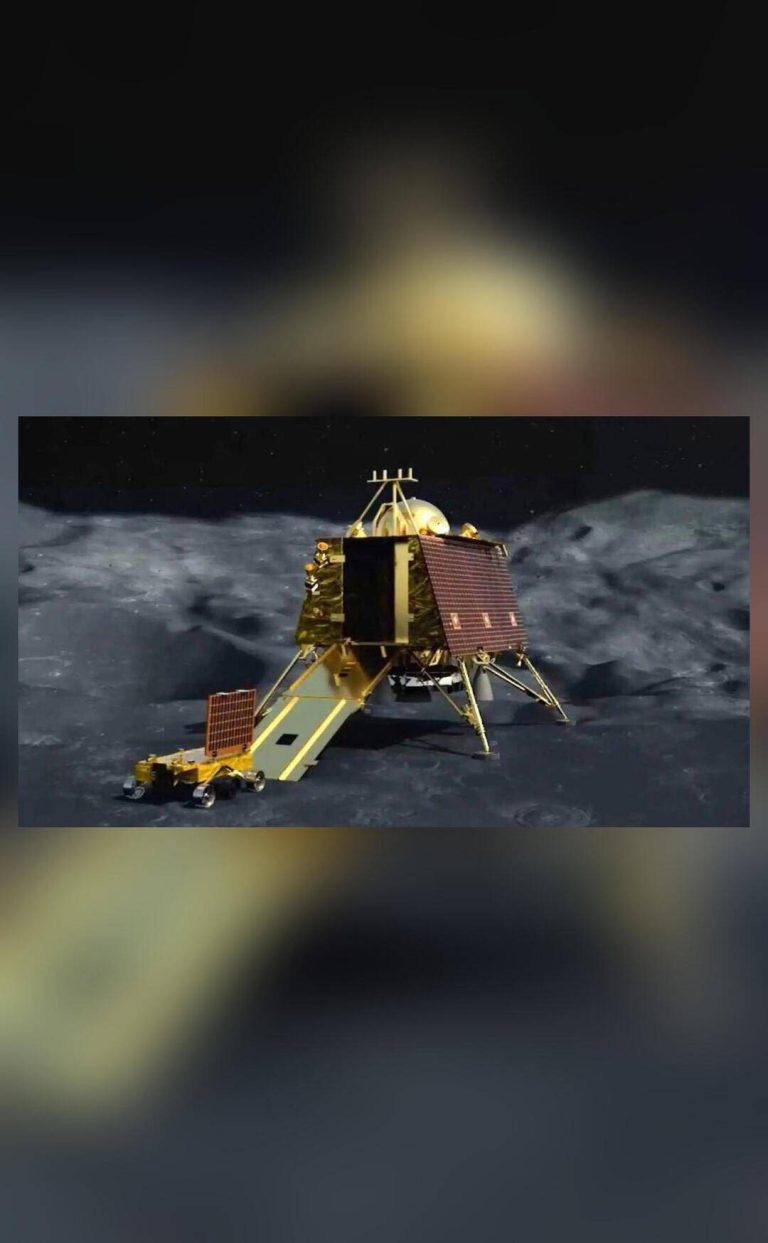
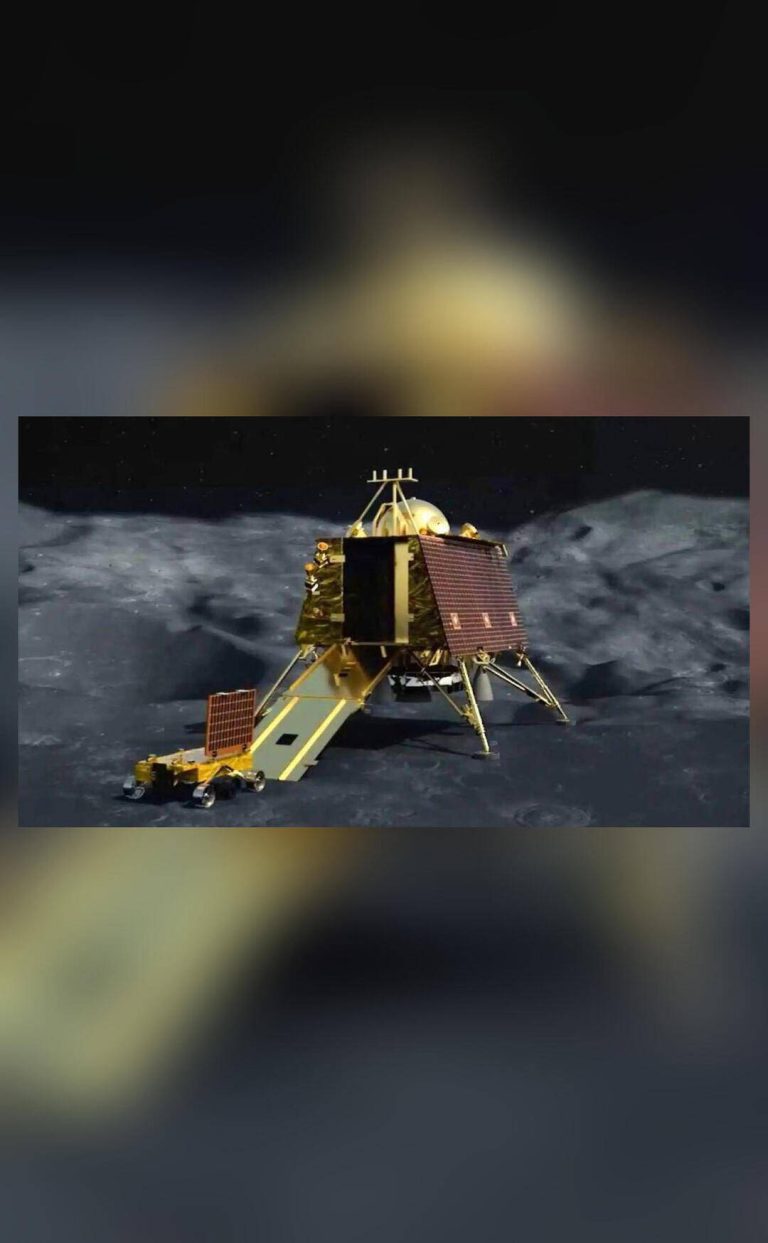
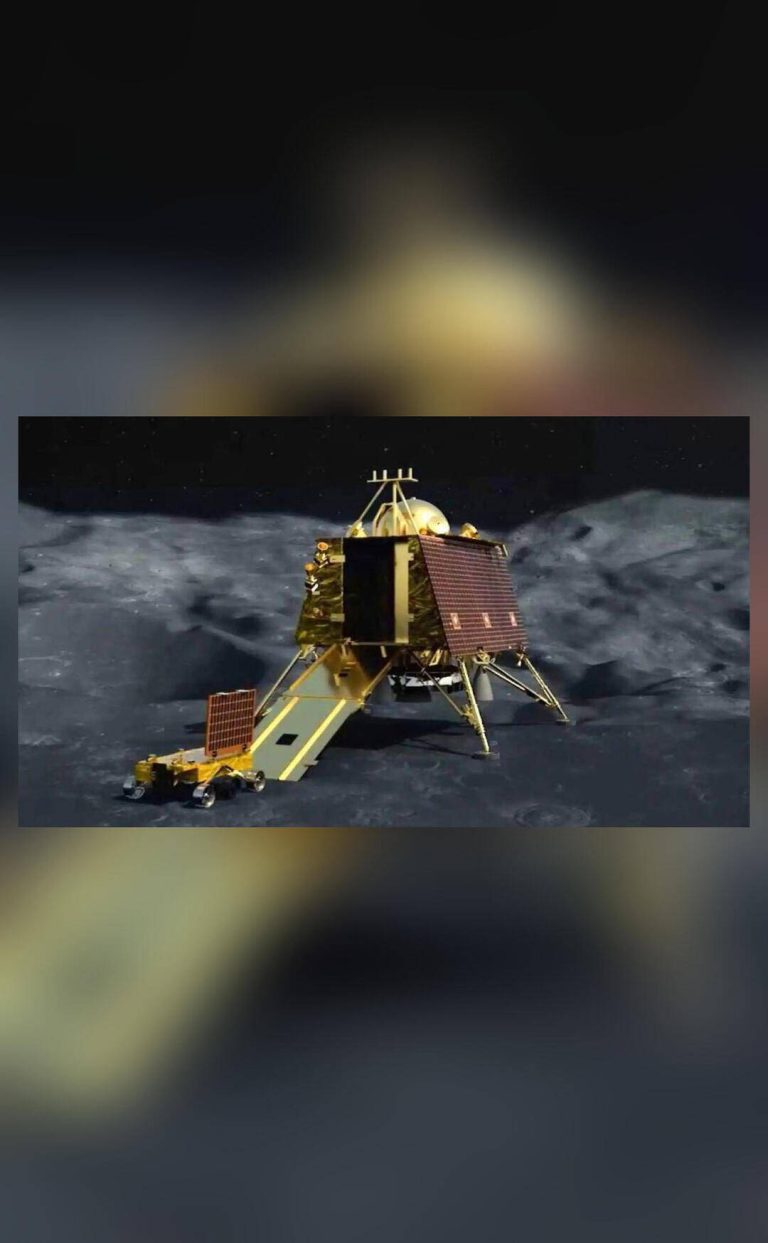
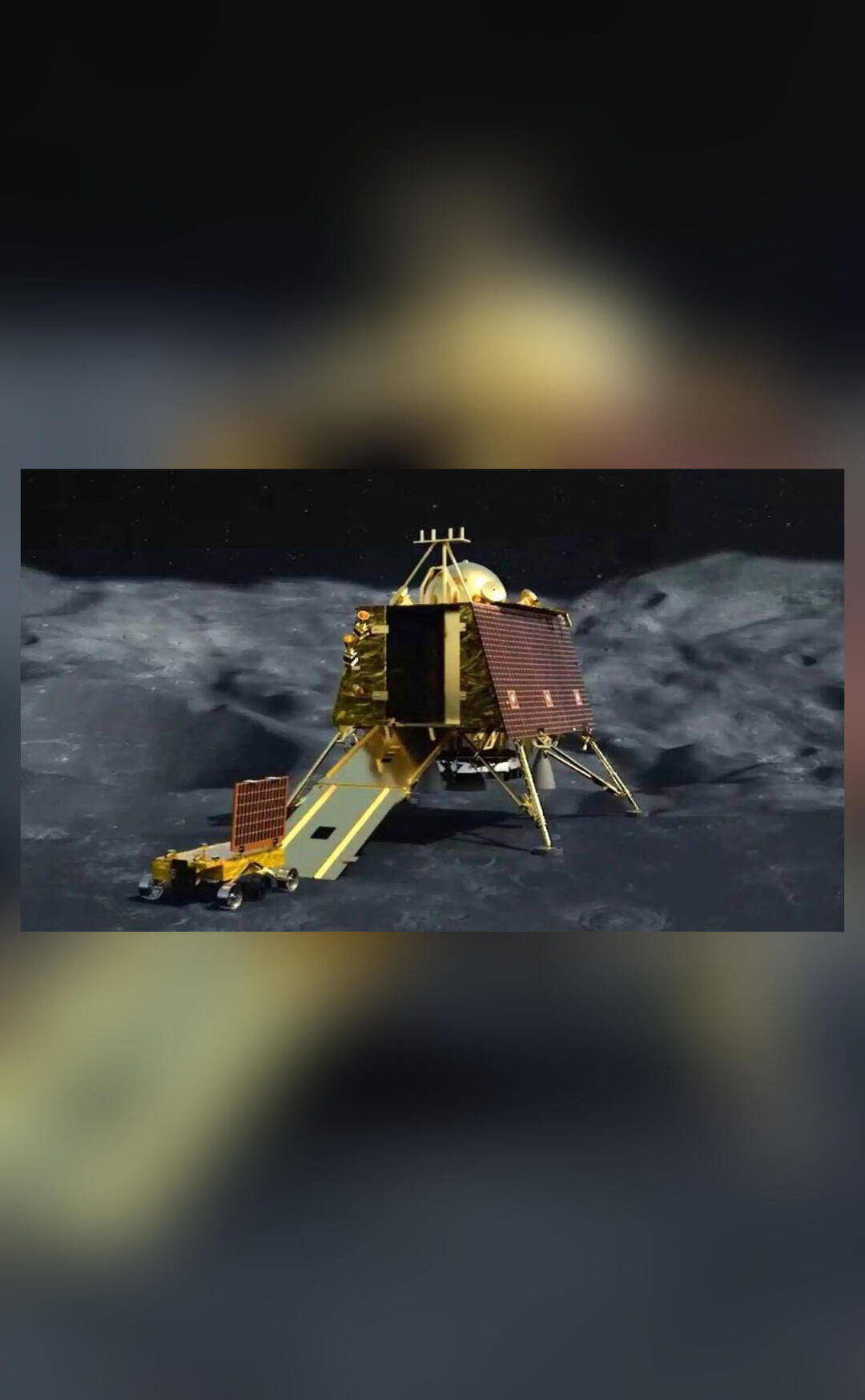
The Chandrayaan-3 mission is a significant achievement for ISRO, marking a major milestone in the organization’s efforts to explore the Moon and beyond. The mission consists of a lander, a rover, and a propulsion module, which are designed to work together to explore the lunar surface and gather scientific data. The propulsion module is responsible for propelling the spacecraft from the Earth to the Moon, while the lander and rover are designed to touch down on the lunar surface and conduct scientific experiments.
The success of the Chandrayaan-3 mission has significant implications for the future of space exploration. By demonstrating the ability to alter a spacecraft’s orbit using gravitational forces, ISRO has shown that it is possible to travel to distant destinations without using large amounts of fuel. This technique could be used in the future to send spacecraft to the outer planets, the Kuiper Belt, and even other star systems.
In conclusion, the way the Moon’s gravity altered the orbit of the Chandrayaan-3 propulsion module is a fascinating example of the power of gravitational forces in space. By carefully planning the spacecraft’s trajectory, ISRO was able to take advantage of the lunar gravity and alter the spacecraft’s orbit in a way that was both efficient and effective. This achievement marks a significant milestone in the Chandrayaan-3 mission and demonstrates the potential for future space exploration.
For more information on this topic, please visit: https://www.newsbytesapp.com/news/science/how-chandrayaan-3-propulsion-module-s-orbit-was-altered-by-moon-s-gravity/story
About the Author