How Moon altered the orbit of Chandrayaan-3’s propulsion module?
In a remarkable demonstration of gravitational manipulation, the Indian Space Research Organisation’s (ISRO) Chandrayaan-3 mission has witnessed a significant alteration in the orbit of its propulsion module. This change was facilitated by the Moon’s gravity, which pulled the spacecraft during two close flybys in November 2025. The event has garnered considerable attention in the scientific community, as it showcases the natural forces that can be leveraged to modify a spacecraft’s trajectory without expending fuel.
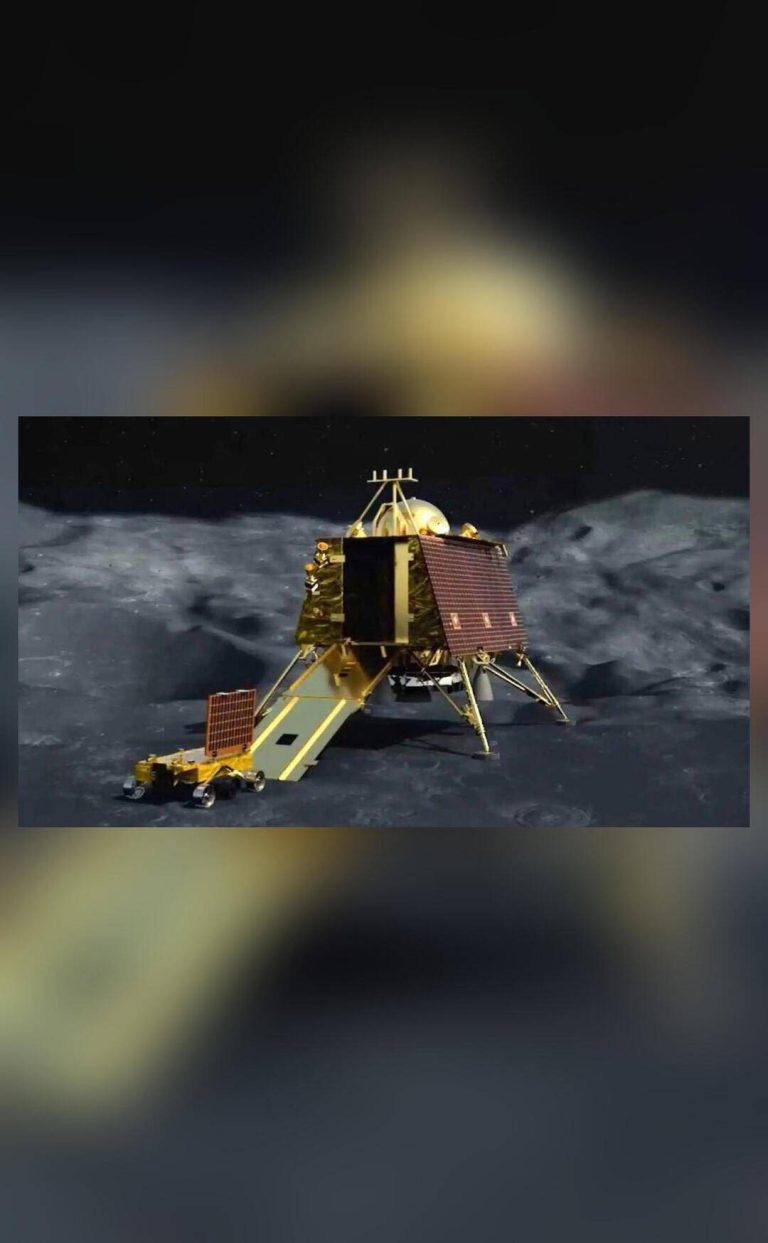
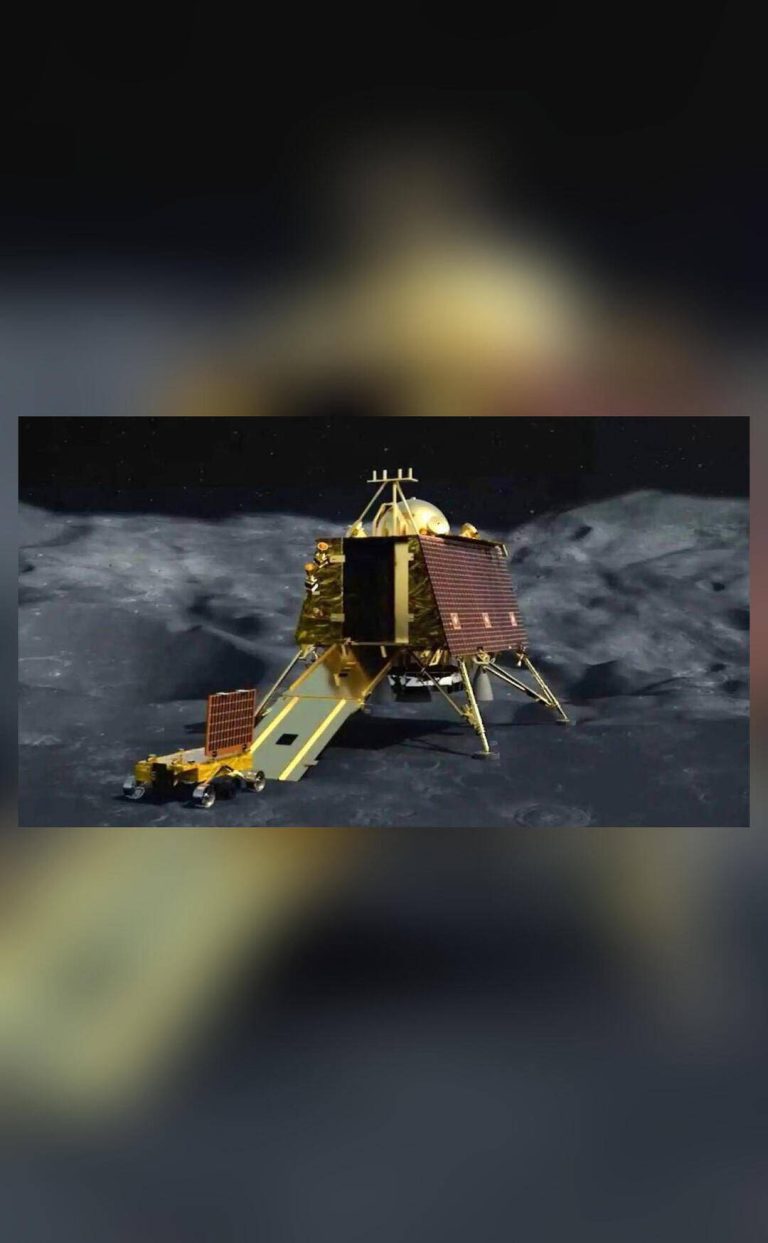
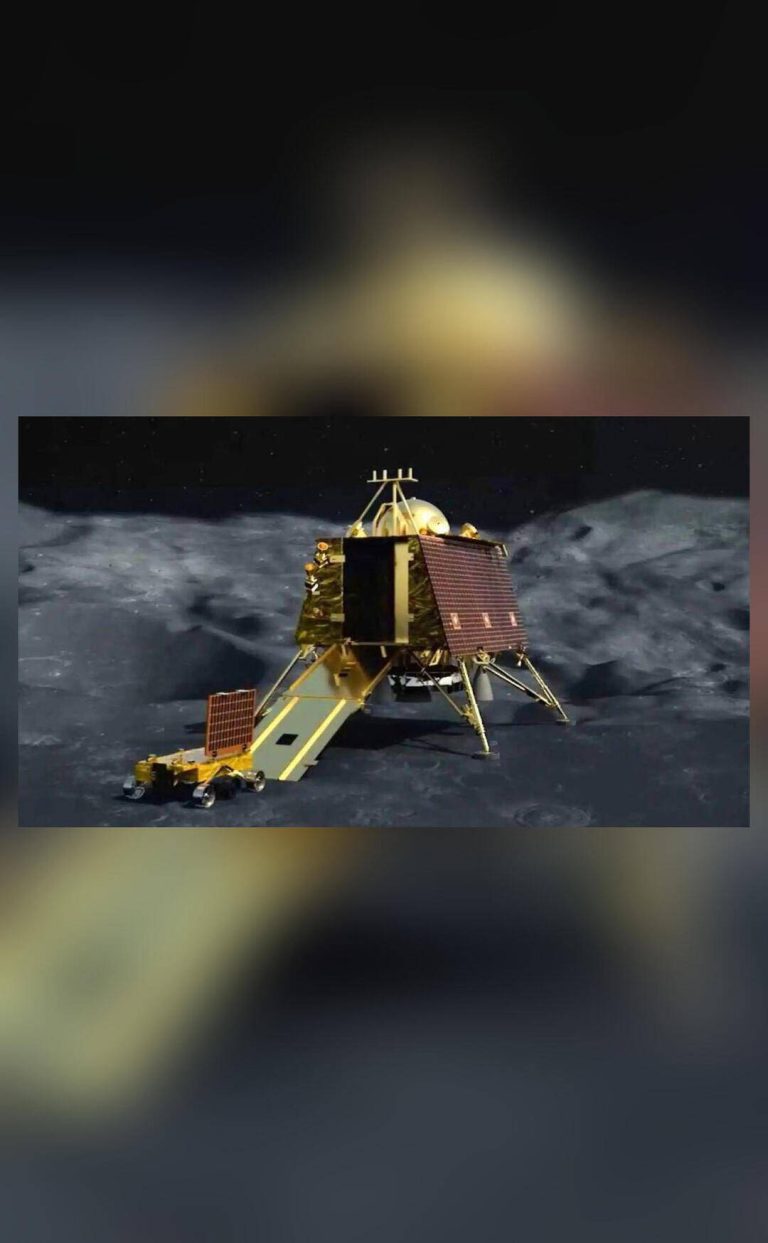
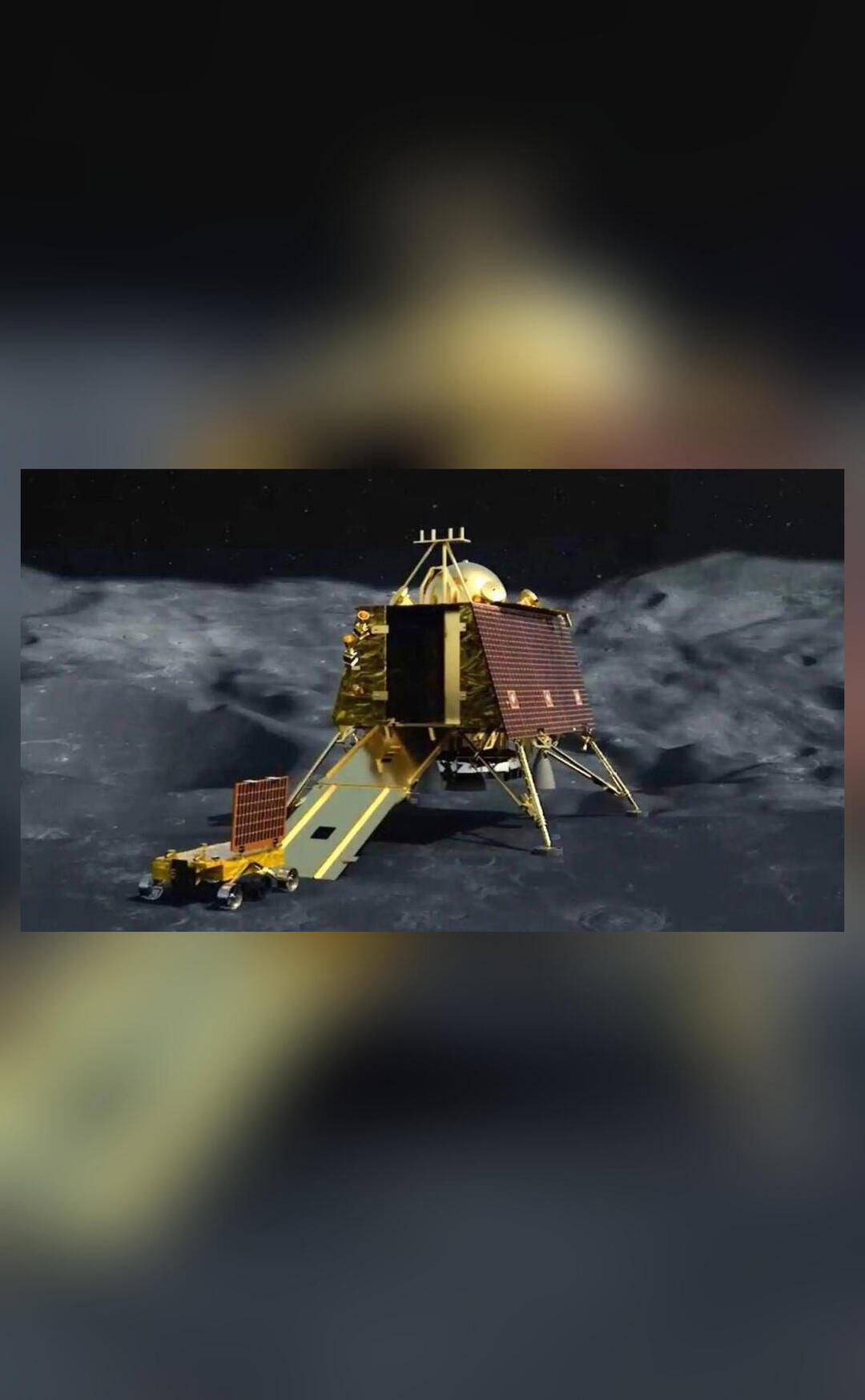
The Chandrayaan-3 mission, launched by ISRO, aimed to further explore the Moon’s surface and subsurface. The mission comprises a propulsion module, a lander, and a rover, each designed to perform specific tasks. The propulsion module, being the primary component, is responsible for navigating the spacecraft to the Moon and ensuring its stable orbit. However, during its journey, the module’s orbit underwent a substantial change due to the Moon’s gravitational influence.
On November 6, 2025, the Chandrayaan-3 propulsion module flew by the Moon at an altitude of approximately 3,740 kilometers. This close encounter allowed the Moon’s gravity to exert a significant pull on the spacecraft, causing its orbit to shift. Just five days later, on November 11, the module performed another flyby, this time at a distance of around 4,537 kilometers. The cumulative effect of these two gravitational interactions resulted in a notable alteration of the module’s orbit.
According to ISRO, the Moon’s gravity had a profound impact on the propulsion module’s orbit, changing both its size and direction. This modification was achieved without the need for any fuel expenditure, highlighting the potential benefits of leveraging natural gravitational forces in space missions. By carefully planning and executing flybys, spacecraft can harness the gravitational influence of celestial bodies to alter their trajectories, thereby conserving fuel and extending their operational lifespan.
The successful alteration of the Chandrayaan-3 propulsion module’s orbit demonstrates the sophistication and precision of ISRO’s mission planning. The organization’s scientists and engineers had meticulously calculated the module’s trajectory, taking into account the Moon’s gravitational pull and the desired outcome. The fact that the orbit was changed without using fuel is a testament to the ingenuity and expertise of the ISRO team, who have once again showcased their capabilities in space exploration.
The implications of this achievement extend beyond the Chandrayaan-3 mission, as it highlights the potential for gravitational manipulation in future space endeavors. By understanding and leveraging the gravitational forces exerted by celestial bodies, space agencies can develop more efficient and sustainable mission plans. This, in turn, can lead to more ambitious and complex space exploration projects, as the need for fuel-intensive maneuvers is reduced.
In conclusion, the alteration of the Chandrayaan-3 propulsion module’s orbit by the Moon’s gravity is a significant achievement that underscores the importance of gravitational forces in space exploration. ISRO’s successful demonstration of this phenomenon has far-reaching implications for the development of more efficient and sustainable space missions. As we continue to push the boundaries of space exploration, it is essential to recognize the potential of gravitational manipulation and its role in shaping the future of space travel.
About the Author