How Moon altered the orbit of Chandrayaan-3’s propulsion module?
The Indian Space Research Organisation (ISRO) has achieved a significant milestone in the Chandrayaan-3 mission, as the spacecraft’s propulsion module has undergone a substantial change in its Earth orbit. This alteration was made possible by the gravitational influence of the Moon, which pulled the spacecraft during two close flybys in November 2025. The remarkable aspect of this maneuver is that it was accomplished without the use of any fuel, demonstrating the ingenuity and expertise of ISRO’s engineers.
The first flyby took place on November 6, when the propulsion module passed within 3,740 km of the Moon’s surface. This close encounter allowed the lunar gravity to exert a significant influence on the spacecraft’s trajectory, causing its orbit to change. The second flyby occurred on November 11, at a distance of 4,537 km from the Moon. The combined effect of these two flybys resulted in a substantial alteration of the propulsion module’s orbit, with changes observed in both its size and direction.
The use of lunar gravity to alter the orbit of a spacecraft is a complex and delicate process. It requires precise calculations and careful planning to ensure that the spacecraft passes close enough to the Moon to achieve the desired effect, without being pulled too close and potentially entering into a lunar orbit or even crashing onto the Moon’s surface. The success of this maneuver demonstrates the high level of expertise and sophistication of ISRO’s engineers and scientists, who were able to execute this complex operation with precision and accuracy.
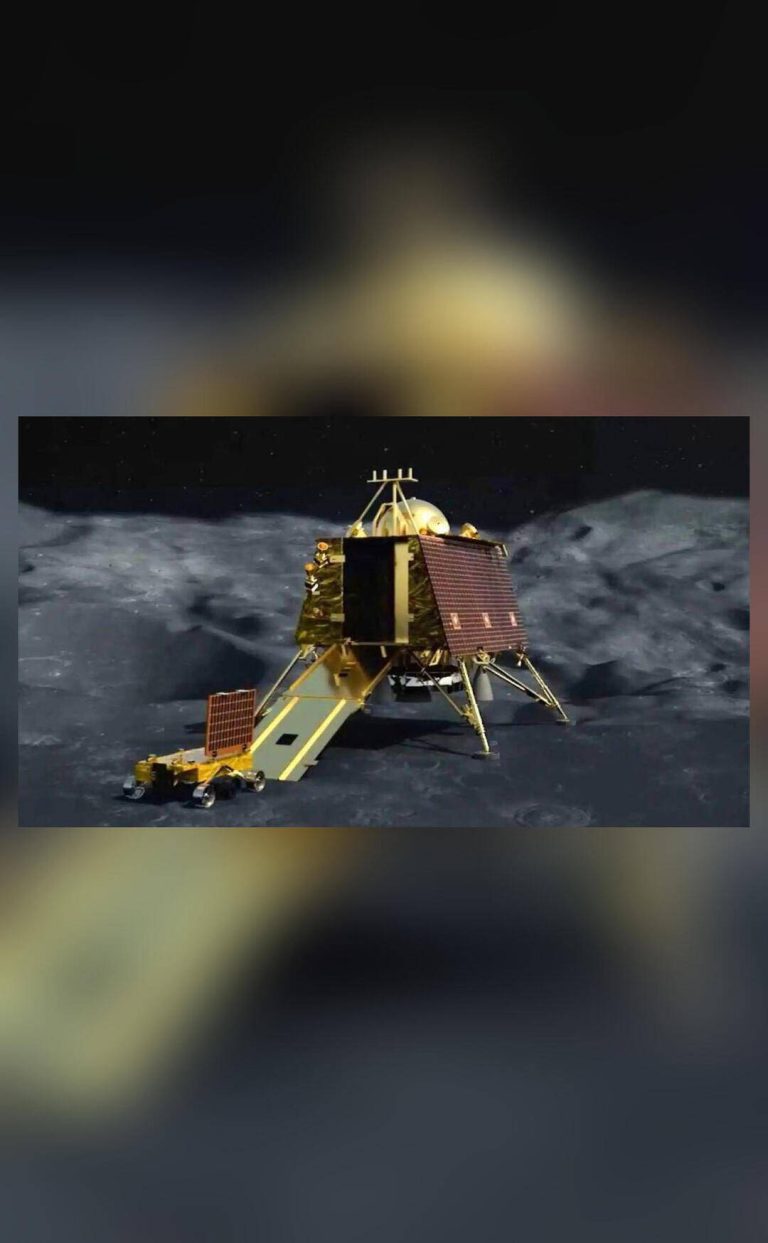
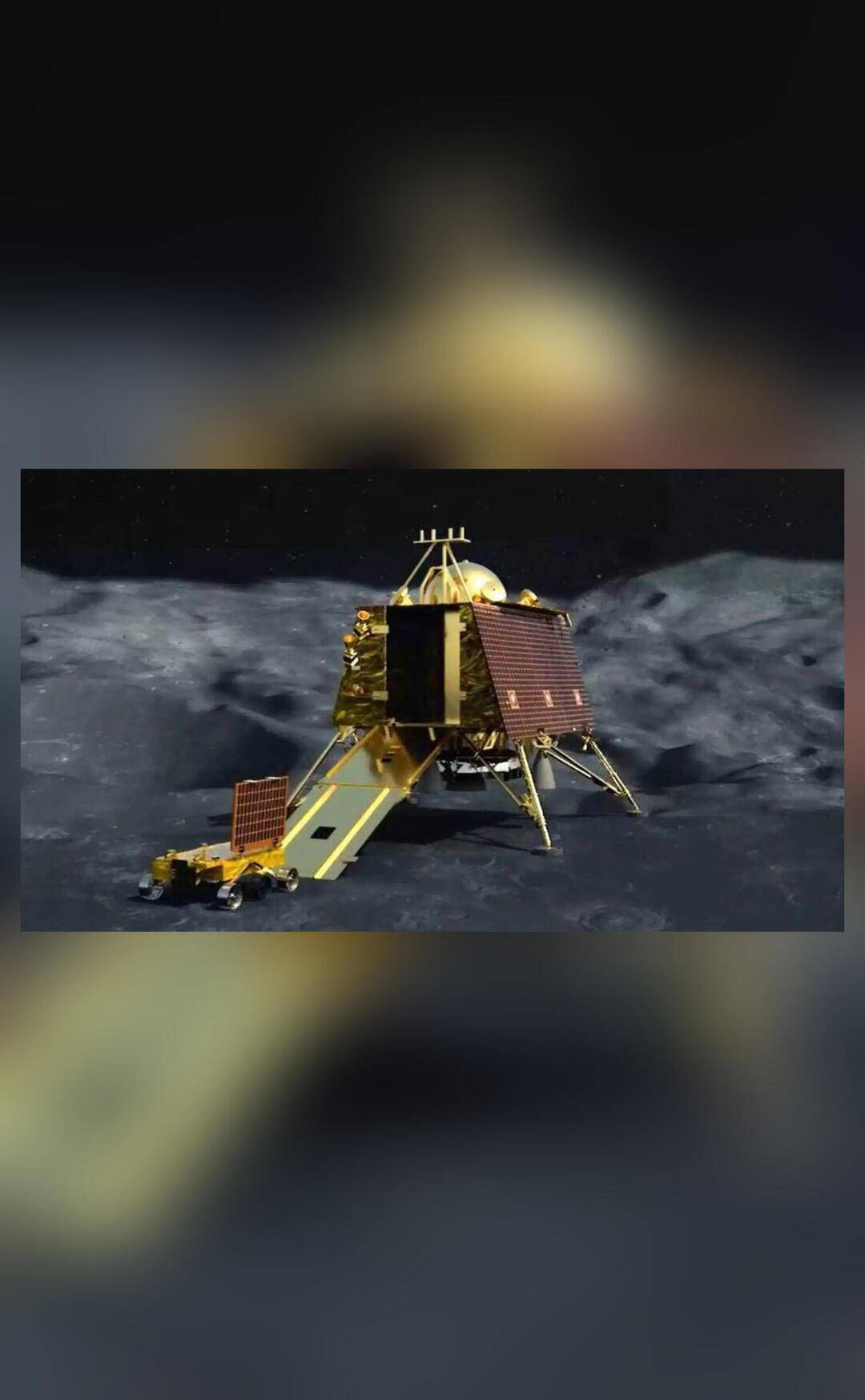
The Chandrayaan-3 mission is a significant undertaking for ISRO, with the primary objective of landing a rover on the lunar surface. The mission consists of three main components: the propulsion module, the lander, and the rover. The propulsion module is responsible for providing the necessary thrust to escape Earth’s orbit and travel to the Moon. The lander will separate from the propulsion module and descend to the lunar surface, carrying the rover with it. The rover will then conduct a range of scientific experiments, including the study of the lunar regolith, the examination of the Moon’s exosphere, and the search for signs of water ice.
The success of the Chandrayaan-3 mission has significant implications for India’s space program. It demonstrates the country’s capability to design, build, and operate complex spacecraft, and to conduct sophisticated scientific experiments. The mission also marks an important step towards India’s goal of becoming a major player in the global space industry. With the Chandrayaan-3 mission, India is poised to join an exclusive club of nations that have successfully landed a spacecraft on the lunar surface.
The use of lunar gravity to alter the orbit of a spacecraft is not a new concept. It has been used by space agencies around the world to change the trajectory of spacecraft and to conduct a range of scientific experiments. However, the success of the Chandrayaan-3 mission demonstrates the growing sophistication and expertise of ISRO, and highlights the importance of continued investment in space research and development.
In conclusion, the alteration of the Chandrayaan-3 propulsion module’s orbit by the Moon’s gravity is a significant achievement for ISRO. It demonstrates the agency’s expertise and sophistication in space exploration, and marks an important step towards the success of the Chandrayaan-3 mission. The use of lunar gravity to alter the orbit of a spacecraft is a complex and delicate process, and the success of this maneuver highlights the high level of expertise and precision of ISRO’s engineers and scientists.
As the Chandrayaan-3 mission continues to progress, it is likely that we will see further examples of the ingenuity and expertise of ISRO’s engineers and scientists. The mission has the potential to make significant contributions to our understanding of the Moon and the lunar environment, and to demonstrate the capabilities of Indian space technology. With the success of the Chandrayaan-3 mission, India is poised to become a major player in the global space industry, and to make significant contributions to the advancement of space exploration and research.
About the Author