How Moon altered the orbit of Chandrayaan-3’s propulsion module?
The Indian Space Research Organisation (ISRO) has been making headlines in recent years with its ambitious space missions, and one of the most notable ones is the Chandrayaan-3 mission. The mission, which was launched in July 2023, aims to study the lunar surface and subsurface in unprecedented detail. However, what’s fascinating is that the mission’s propulsion module had its Earth orbit significantly altered in November 2025 after passing close to the Moon. In this blog post, we’ll delve into the details of how the Moon’s gravity pulled the spacecraft during two flybys, altering its path without using fuel.
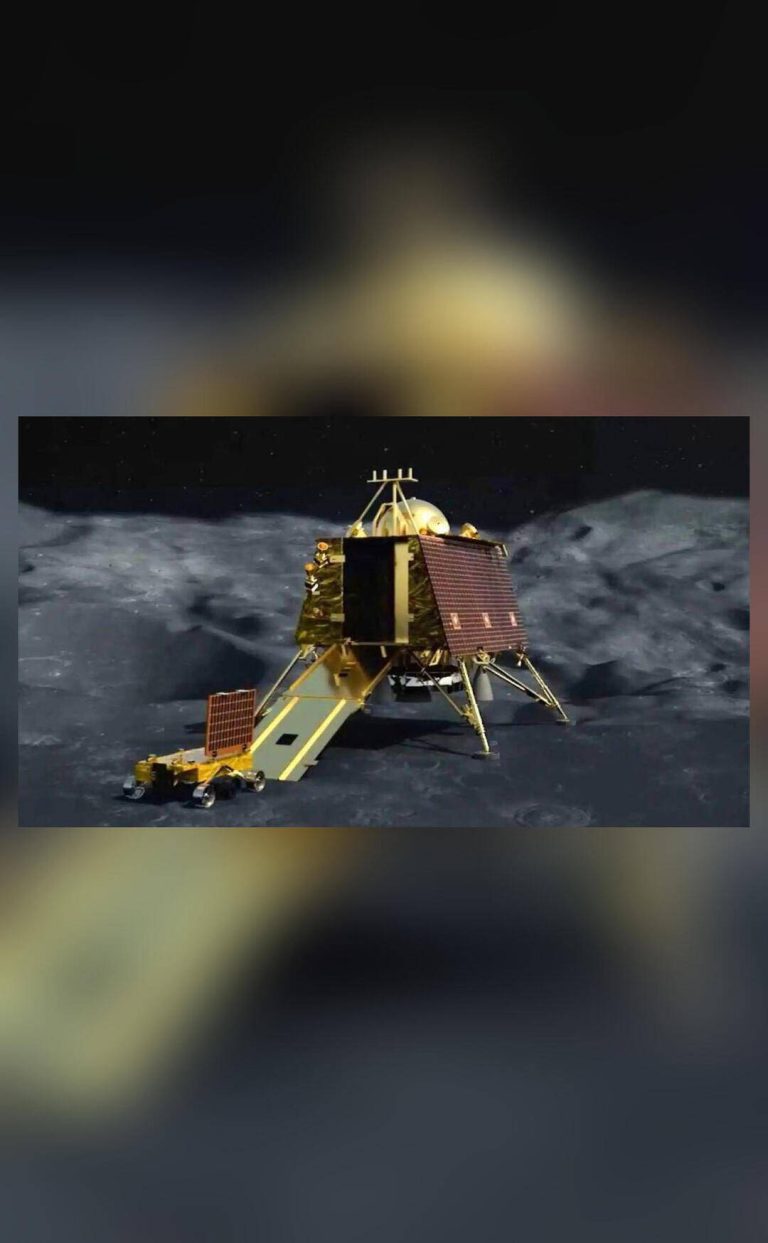
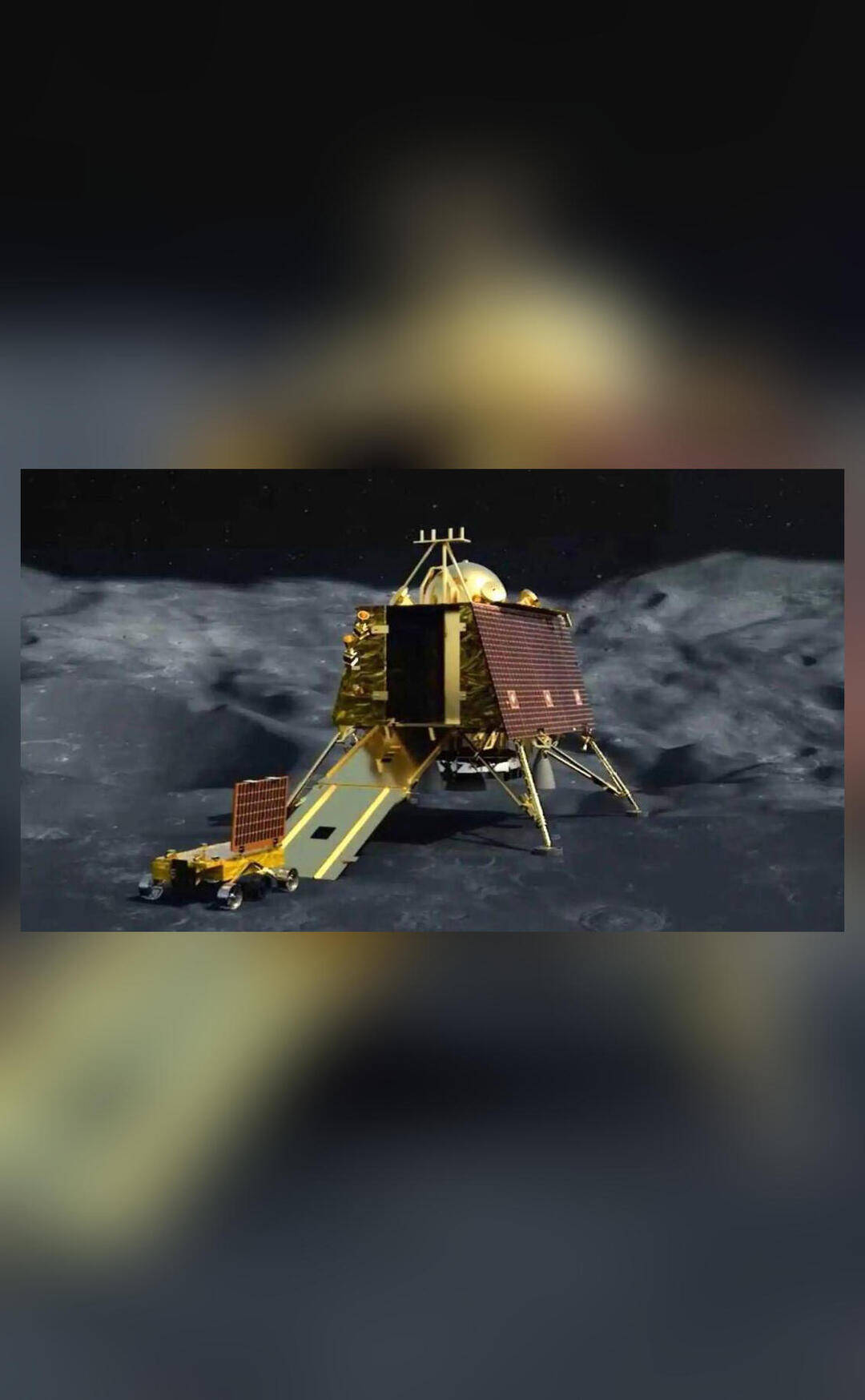
The Chandrayaan-3 mission consists of three main components: the propulsion module, the lander, and the rover. The propulsion module is the main spacecraft that provides the necessary thrust to escape Earth’s gravity and travel to the Moon. The lander, on the other hand, is designed to separate from the propulsion module and land on the lunar surface, while the rover will explore the surface and collect data. However, in this case, we’re focusing on the propulsion module, which had a remarkable encounter with the Moon in November 2025.
According to ISRO, the propulsion module had two close flybys with the Moon, one on November 6 at an altitude of 3,740 km and another on November 11 at an altitude of 4,537 km. During these flybys, the Moon’s gravity had a significant impact on the spacecraft, altering its orbit size and direction. What’s remarkable is that this change in orbit was achieved without using any fuel, which is a testament to the ingenuity of the ISRO engineers.
The concept of using gravity to alter a spacecraft’s orbit is not new, but it’s a complex and delicate process. Essentially, when a spacecraft flies close to a celestial body like the Moon, it experiences a gravitational pull that can change its trajectory. By carefully planning the flyby, spacecraft engineers can use this gravity to their advantage, altering the spacecraft’s orbit without expending any fuel. This technique is commonly known as a “gravity assist” or “gravity slingshot.”
In the case of the Chandrayaan-3 propulsion module, the gravity assist was used to change the spacecraft’s orbit from a highly elliptical one to a more circular one. This change in orbit will allow the spacecraft to maintain a stable and efficient trajectory, which is essential for its long-term mission objectives. ISRO has confirmed that the propulsion module is now in a new orbit, with its size and direction altered significantly.
The implications of this achievement are significant, as it demonstrates the ability of ISRO to use gravity assists to alter spacecraft orbits. This technique can be used in a variety of space missions, from interplanetary travel to asteroid deflection. Moreover, it highlights the importance of careful mission planning and the need for precise calculations to ensure that the spacecraft flies close enough to the celestial body to achieve the desired gravity assist.
The success of the Chandrayaan-3 mission is a testament to the growing capabilities of the Indian space program. ISRO has been making rapid strides in space technology, from launching numerous satellites to developing advanced rocket systems. The Chandrayaan-3 mission is just one example of the ambitious plans that ISRO has for the future, with plans to send humans to space and explore the solar system.
In conclusion, the alteration of the Chandrayaan-3 propulsion module’s orbit by the Moon’s gravity is a remarkable achievement that demonstrates the ingenuity and capabilities of ISRO engineers. The use of gravity assists to alter spacecraft orbits is a complex and delicate process, but it has the potential to revolutionize space travel and exploration. As we continue to push the boundaries of space technology, we can expect to see more innovative and ambitious missions like Chandrayaan-3, which will take us closer to the stars and beyond.
For more information on this topic, you can visit: https://www.newsbytesapp.com/news/science/how-chandrayaan-3-propulsion-module-s-orbit-was-altered-by-moon-s-gravity/story
About the Author