How Moon altered the orbit of Chandrayaan-3’s propulsion module?
The Indian Space Research Organisation (ISRO) has achieved a significant milestone in the Chandrayaan-3 mission, as the spacecraft’s propulsion module has undergone a remarkable change in its Earth orbit. This alteration was made possible by the gravitational influence of the Moon, which pulled the spacecraft during two close flybys in November 2025. The event has sparked interest among space enthusiasts and scientists, who are eager to understand the details of this remarkable phenomenon.
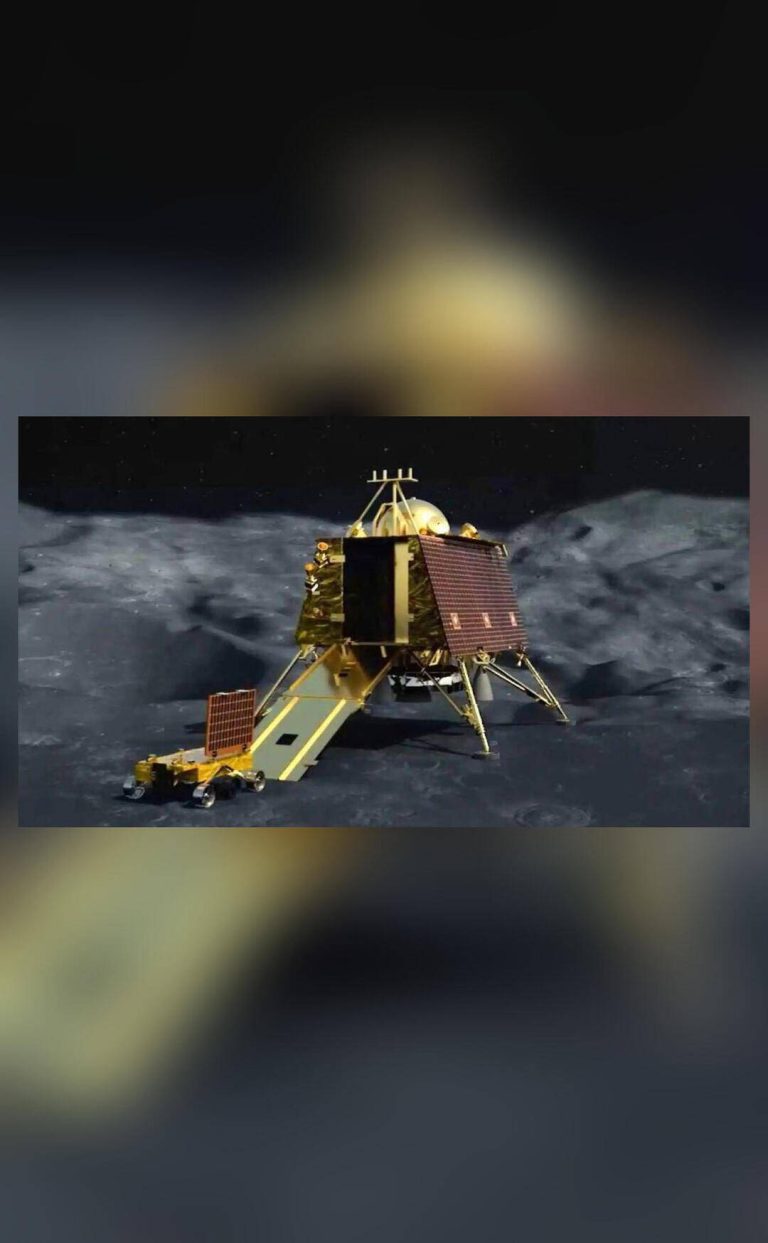
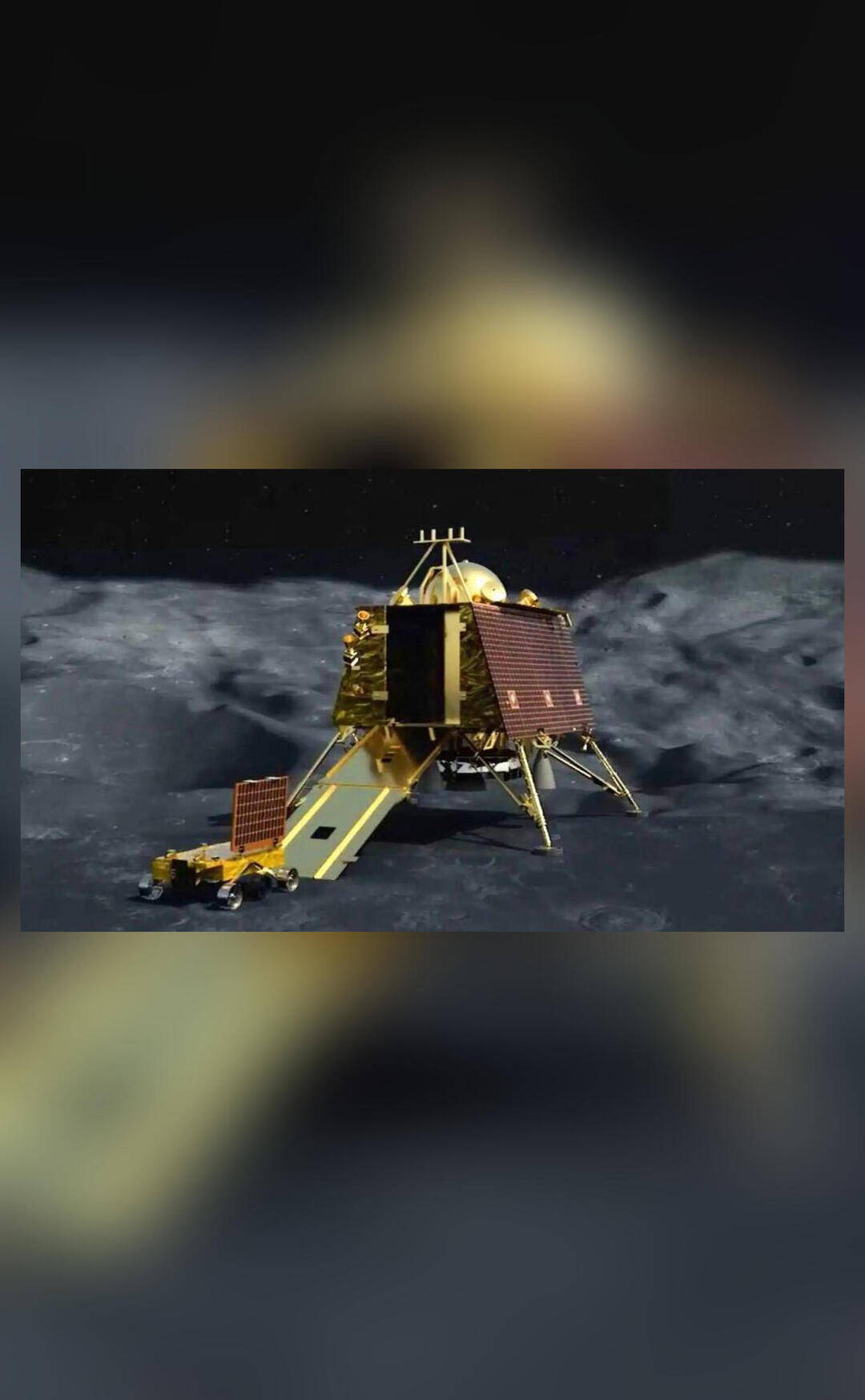
The Chandrayaan-3 mission, launched by ISRO, aims to explore the lunar surface and conduct various scientific experiments. The spacecraft consists of a propulsion module, a lander, and a rover, each designed to perform specific tasks. The propulsion module serves as the primary component, responsible for navigating the spacecraft through space and providing the necessary thrust for trajectory corrections.
On November 6, 2025, the Chandrayaan-3 propulsion module made its first close flyby of the Moon, passing at a distance of approximately 3,740 kilometers. This event marked the beginning of a series of gravitational interactions between the spacecraft and the lunar body. As the module approached the Moon, the lunar gravity started to exert its influence, slowly altering the spacecraft’s trajectory.
The effects of the lunar gravity became more pronounced during the second flyby, which occurred on November 11, 2025, at a distance of about 4,537 kilometers. The gravitational pull of the Moon continued to shape the spacecraft’s path, gradually changing its orbit size and direction. This natural process, known as a gravity assist, allowed the spacecraft to alter its trajectory without using any fuel, thereby conserving its precious resources for future maneuvers.
ISRO officials have confirmed that the lunar gravity has significantly altered the orbit of the Chandrayaan-3 propulsion module. The changed orbit size and direction will have implications for the spacecraft’s future trajectory and the overall mission plan. However, the exact details of the new orbit and its effects on the mission are still being analyzed by ISRO scientists and engineers.
The use of gravity assists is a common technique in space exploration, allowing spacecraft to change their trajectories and gain speed without expending fuel. This method has been employed in various missions, including NASA’s Voyager and Cassini spacecraft, which used gravity assists to explore the outer planets and their moons. The Chandrayaan-3 mission has demonstrated the effectiveness of this technique, showcasing the potential for lunar gravity to influence the trajectory of a spacecraft.
The success of the Chandrayaan-3 mission has significant implications for future space exploration. The ability to harness the gravitational influence of celestial bodies can enable more efficient and sustainable space travel. By leveraging the natural gravity of planets and moons, spacecraft can reduce their fuel consumption, extend their mission durations, and explore more distant regions of the solar system.
As the Chandrayaan-3 mission continues to unfold, scientists and engineers will closely monitor the spacecraft’s trajectory and performance. The altered orbit of the propulsion module will require adjustments to the mission plan, and ISRO will need to carefully navigate the spacecraft to ensure its successful completion. The experience gained from this mission will contribute to the development of future space exploration strategies, enabling more ambitious and complex missions to be undertaken.
In conclusion, the Chandrayaan-3 propulsion module’s altered orbit is a remarkable example of the Moon’s gravitational influence on a spacecraft. The successful use of lunar gravity to change the spacecraft’s trajectory demonstrates the potential for gravity assists in space exploration. As the mission progresses, scientists and engineers will continue to analyze the effects of the altered orbit and plan for the next stages of the mission.
For more information on this topic, you can visit: https://www.newsbytesapp.com/news/science/how-chandrayaan-3-propulsion-module-s-orbit-was-altered-by-moon-s-gravity/story
About the Author