How Moon altered the orbit of Chandrayaan-3’s propulsion module?
In a fascinating demonstration of gravitational forces, the Indian Space Research Organisation’s (ISRO) Chandrayaan-3 mission has provided a unique opportunity to observe the effects of lunar gravity on a spacecraft’s trajectory. The mission’s propulsion module, which was launched into Earth’s orbit, underwent a significant change in its orbital path after two close flybys with the Moon in November 2025. This alteration was caused by the Moon’s gravitational pull, which naturally modified the module’s orbit without the need for any fuel consumption.
The first flyby occurred on November 6, 2025, when the propulsion module passed within 3,740 km of the Moon’s surface. This close encounter allowed the Moon’s gravity to exert a significant influence on the spacecraft’s trajectory, causing a noticeable change in its orbital path. Just five days later, on November 11, 2025, the module performed a second flyby, this time at a distance of 4,537 km from the Moon. The combined effect of these two gravitational interactions resulted in a substantial alteration of the module’s orbit.
According to ISRO, the Moon’s gravity pulled the spacecraft during both flybys, changing the module’s orbit size and direction. This phenomenon is a testament to the complex and fascinating dance between celestial bodies in our solar system. The precise calculations and meticulous planning that went into the Chandrayaan-3 mission allowed scientists to predict and observe this effect, providing valuable insights into the dynamics of space travel and the behavior of celestial bodies.
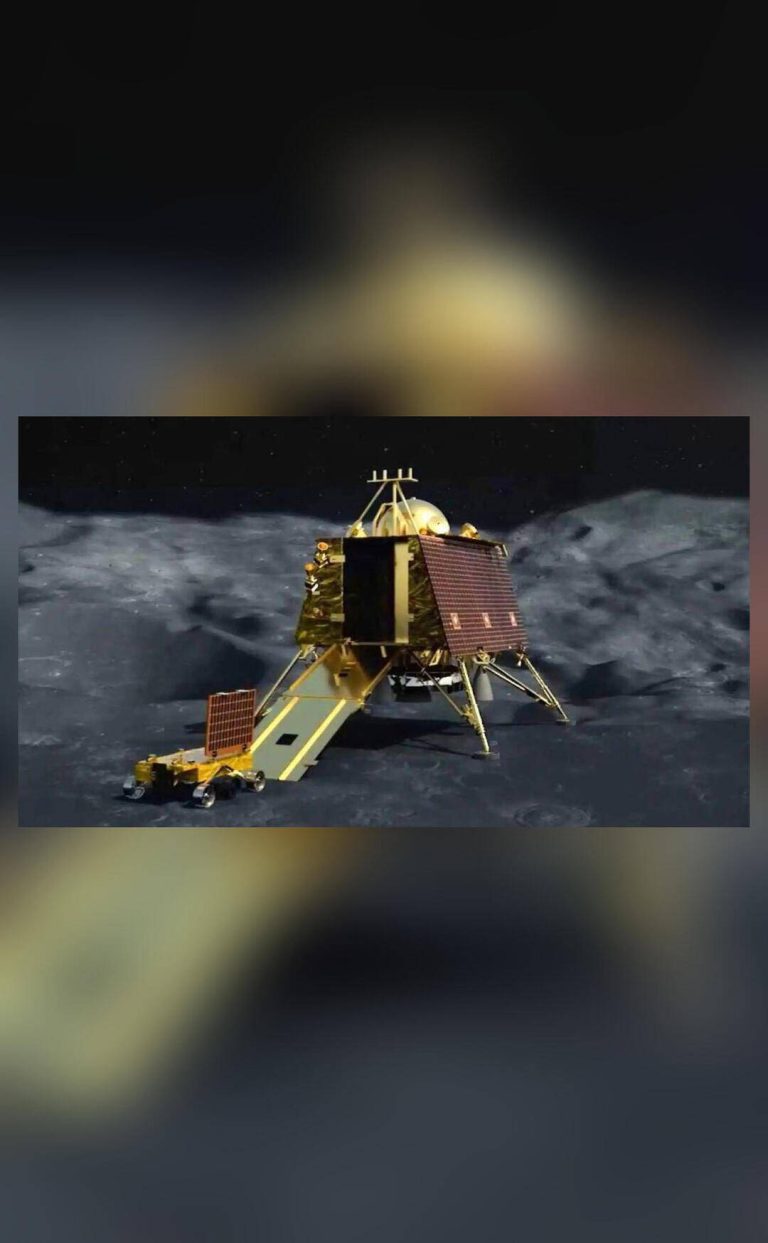
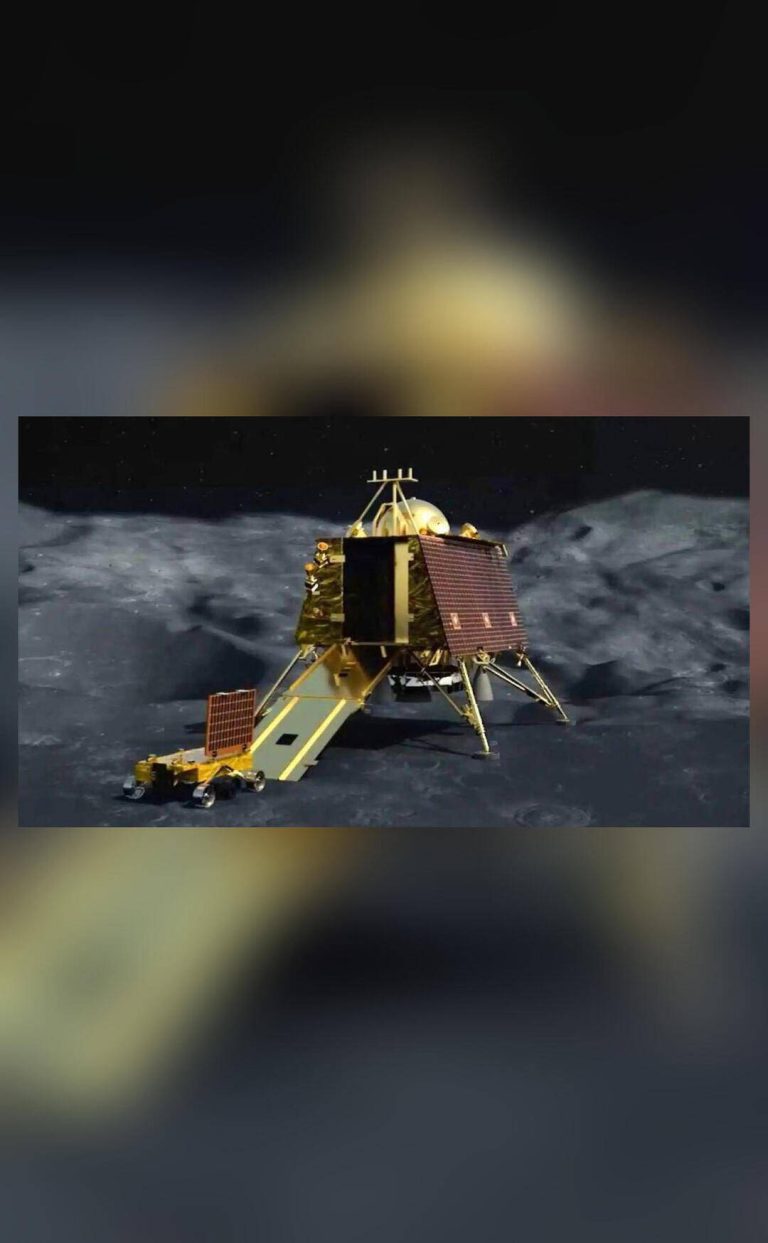
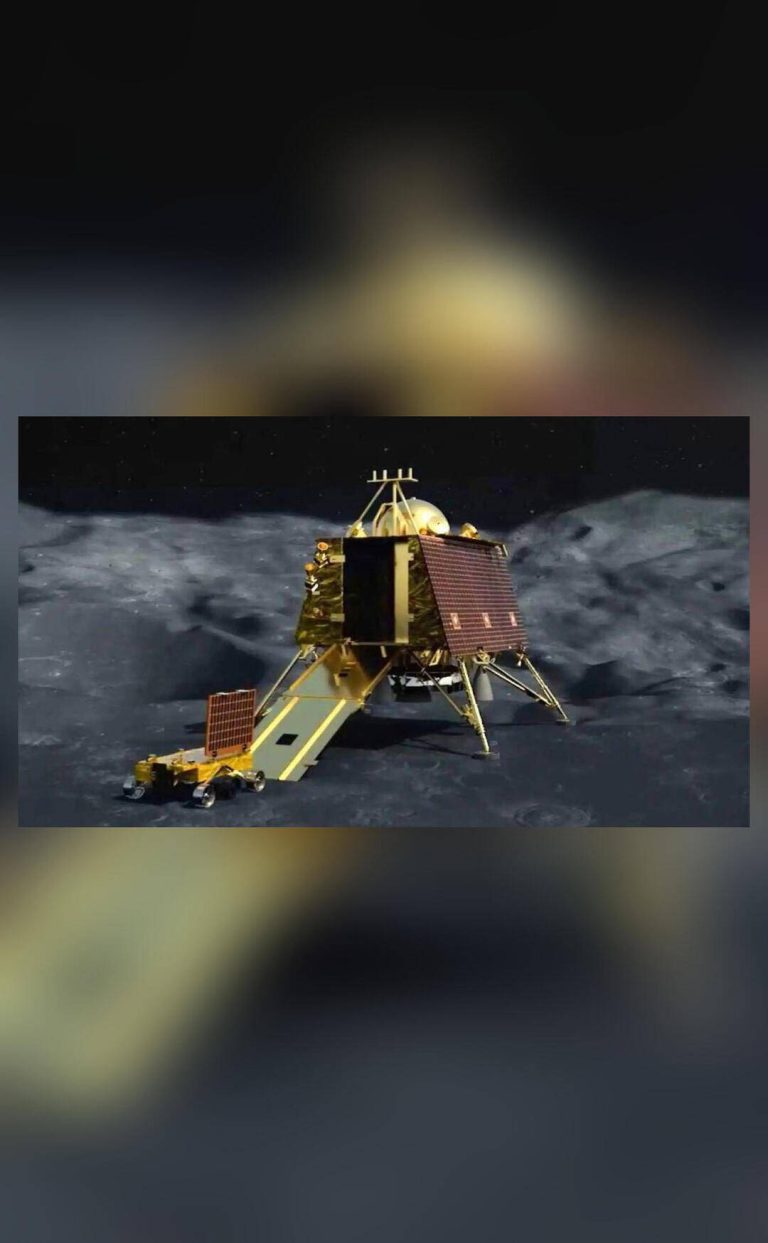
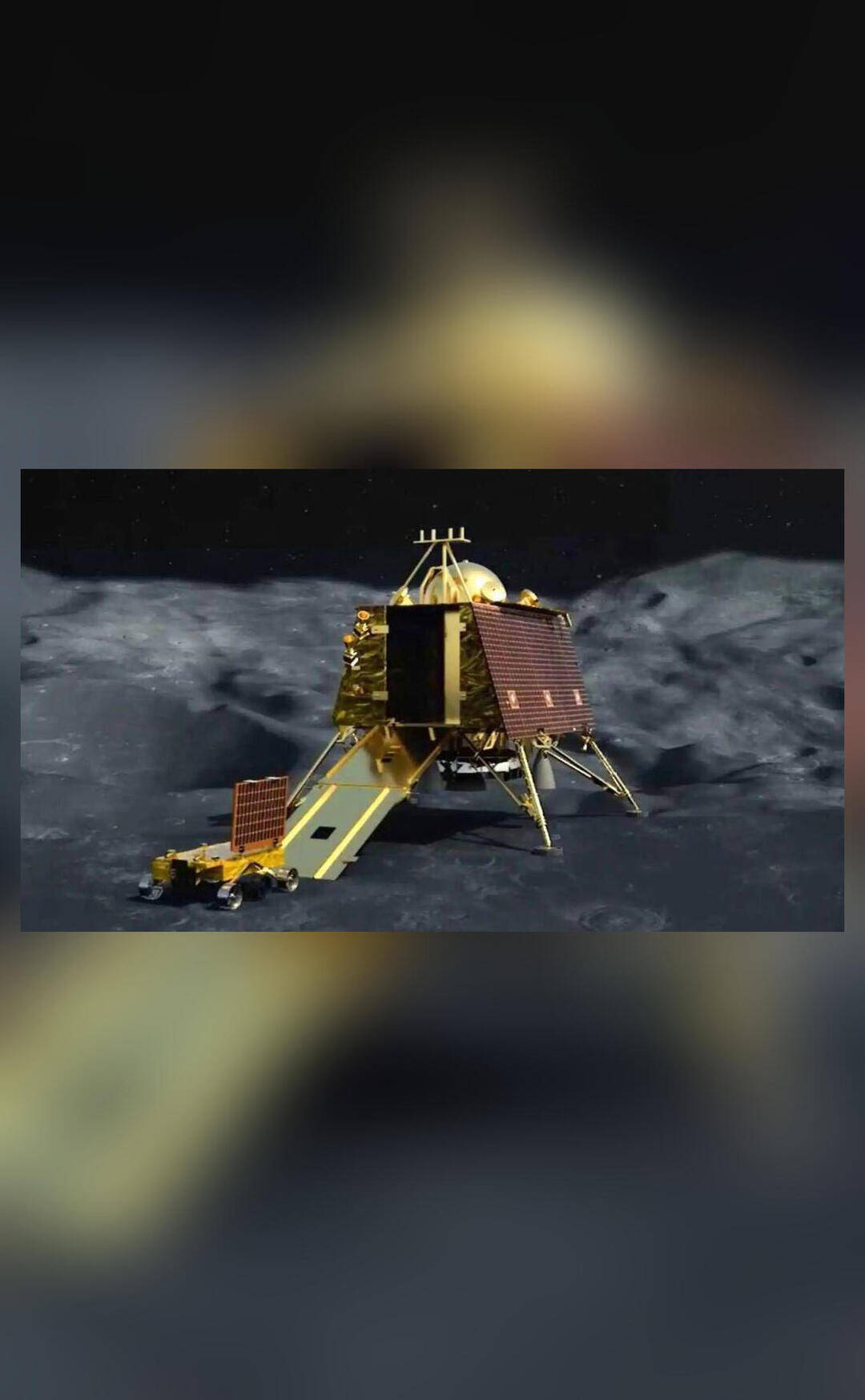
The Chandrayaan-3 mission is a significant milestone in India’s space exploration program, with the primary objective of landing a rover on the lunar surface. The mission consists of three main components: the propulsion module, the lander, and the rover. While the lander and rover are designed to touch down on the Moon’s surface, the propulsion module serves as the primary propulsion system for the spacecraft, providing the necessary thrust to escape Earth’s gravitational pull and travel to the Moon.
The use of gravitational forces to alter a spacecraft’s trajectory is a well-established technique in space exploration. By carefully planning a spacecraft’s path to take advantage of the gravitational pull of celestial bodies, mission planners can achieve significant changes in a spacecraft’s orbit without expending fuel. This approach, known as a gravity assist, has been used in numerous interplanetary missions, including Voyager 1 and 2, which used the gravitational pull of Jupiter and Saturn to accelerate their journey to the outer reaches of the solar system.
The Chandrayaan-3 mission’s use of the Moon’s gravity to alter the propulsion module’s orbit demonstrates the versatility and efficiency of this technique. By leveraging the Moon’s gravitational pull, ISRO scientists were able to achieve a significant change in the module’s orbit without using any fuel, thereby extending the mission’s lifespan and reducing the amount of propellant required for future maneuvers.
The success of the Chandrayaan-3 mission has significant implications for future space exploration endeavors. As space agencies and private companies continue to push the boundaries of space travel, the ability to harness gravitational forces to alter a spacecraft’s trajectory will become increasingly important. By refining our understanding of gravitational interactions and developing more sophisticated mission planning techniques, scientists and engineers can design more efficient and effective space missions, ultimately expanding our presence in the solar system and beyond.
In conclusion, the Chandrayaan-3 mission’s propulsion module has provided a unique opportunity to observe the effects of lunar gravity on a spacecraft’s trajectory. The significant change in the module’s orbit, achieved through two close flybys with the Moon, demonstrates the power and efficiency of gravitational forces in space travel. As we continue to explore the vast expanse of space, the lessons learned from this mission will undoubtedly play a crucial role in shaping the future of space exploration.
About the Author