How Moon altered the orbit of Chandrayaan-3’s propulsion module?
In a fascinating display of celestial mechanics, the Indian Space Research Organisation’s (ISRO) Chandrayaan-3 mission has provided a unique opportunity to observe the effects of lunar gravity on a spacecraft’s orbit. In November 2025, the Chandrayaan-3’s propulsion module underwent a significant change in its Earth orbit after passing close to the Moon, thanks to the gravitational pull of our celestial neighbor. This remarkable event has not only shed light on the complex interactions between spacecraft and celestial bodies but also demonstrated the precision and accuracy of ISRO’s mission planning.
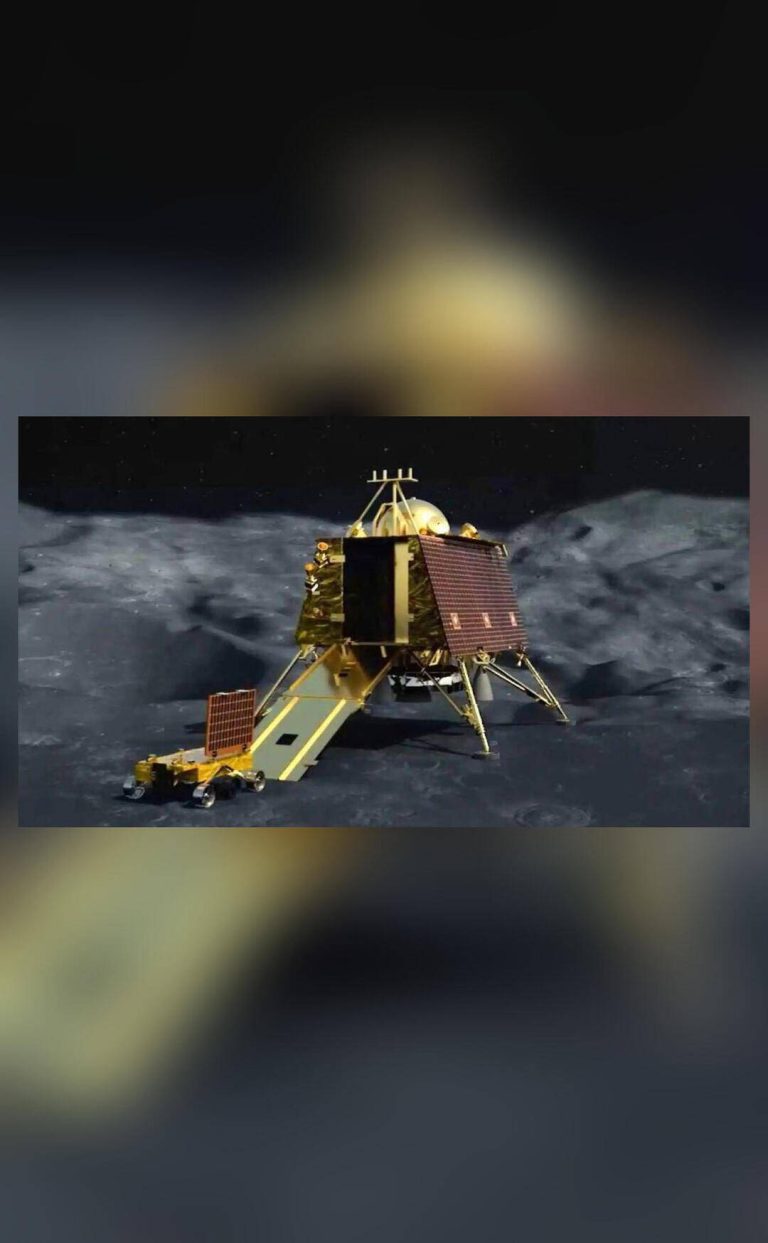
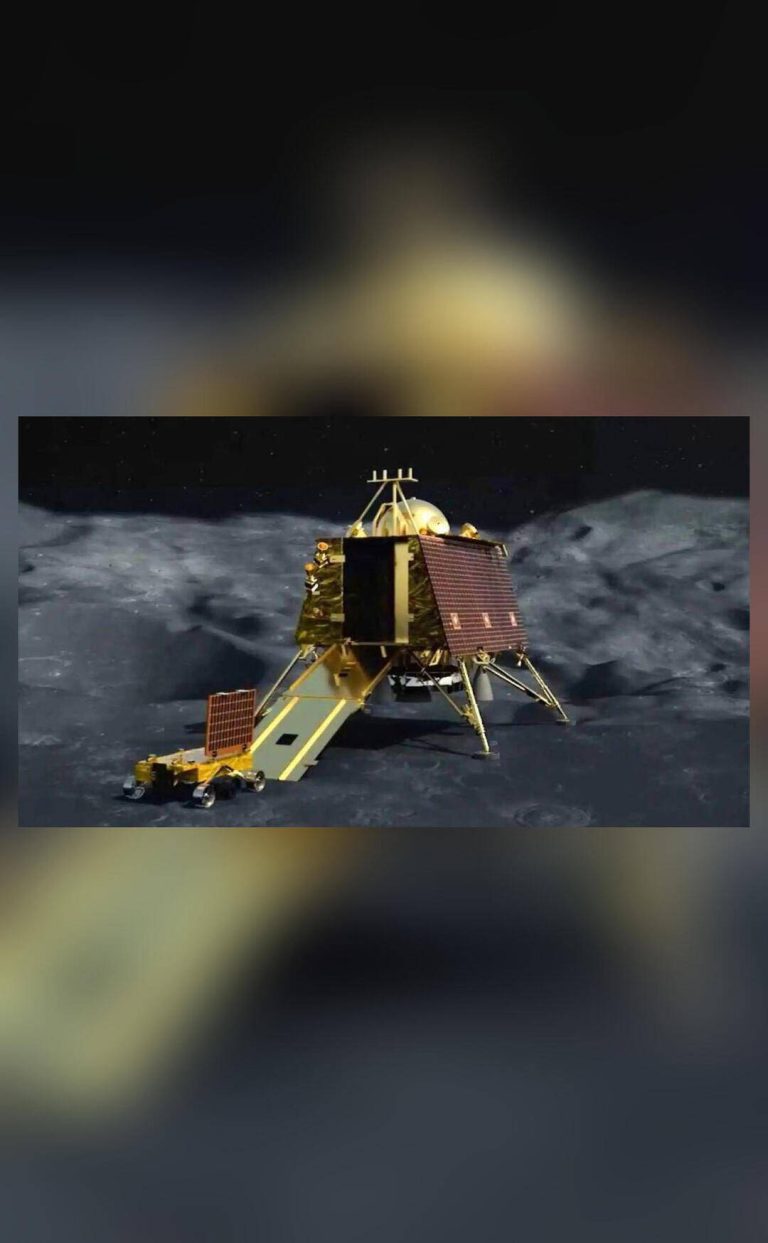
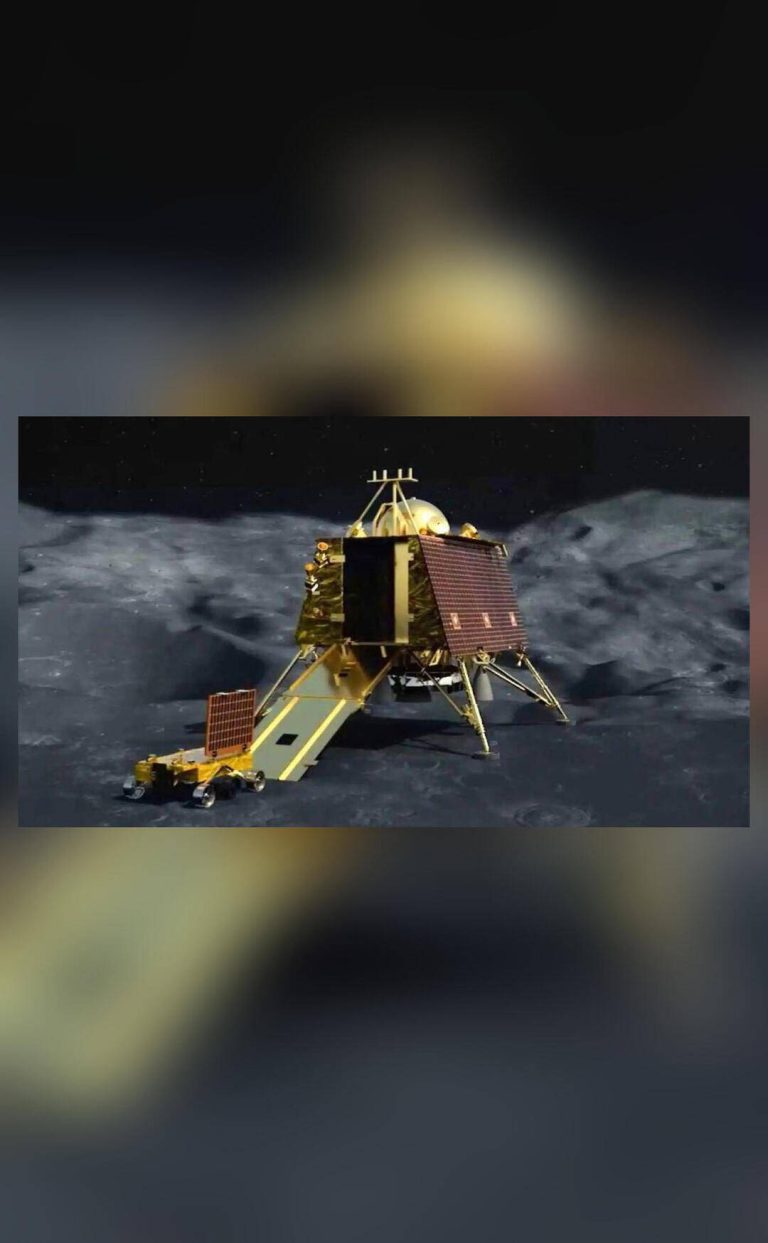
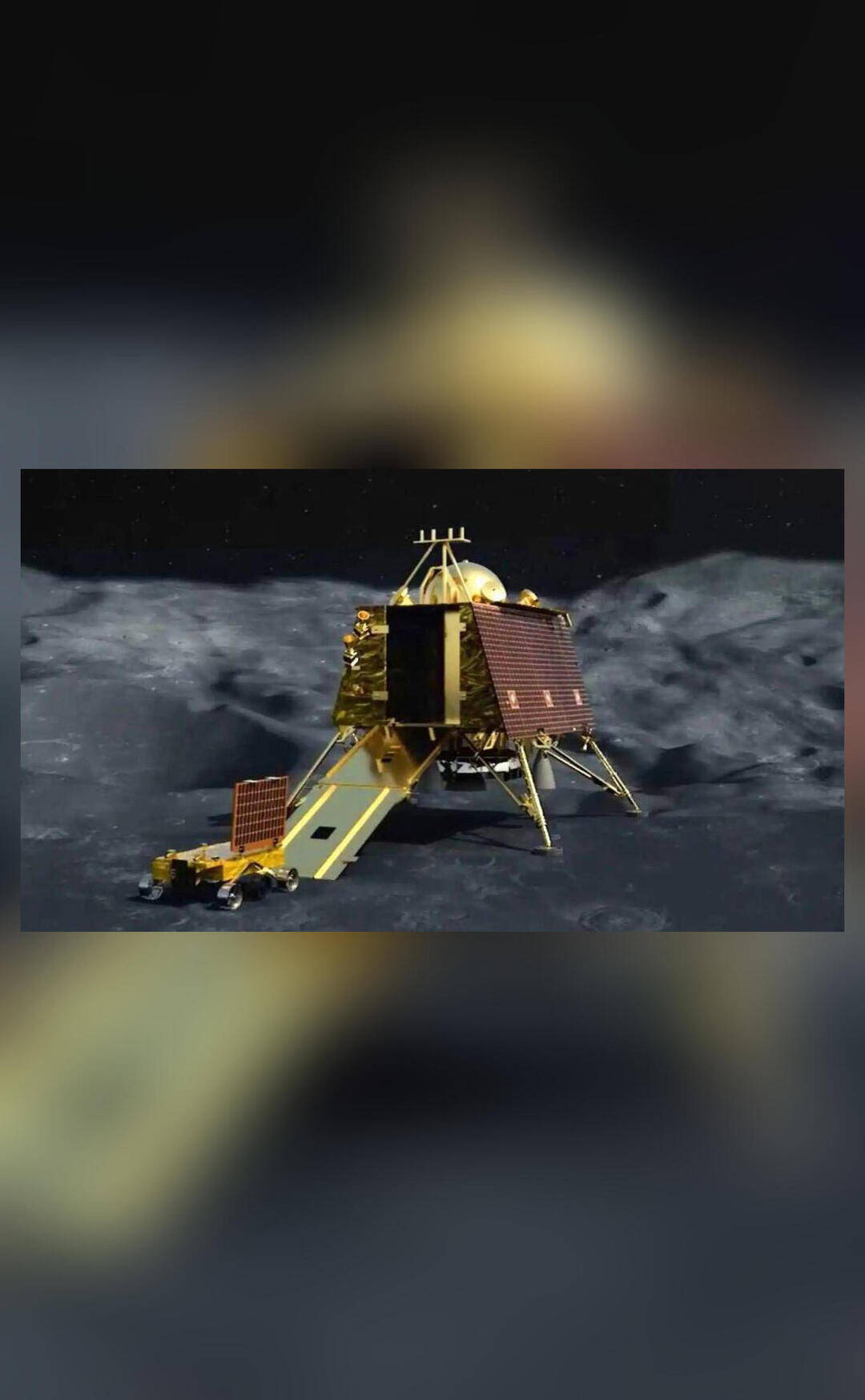
The Chandrayaan-3 mission, which was launched earlier this year, consists of a propulsion module, a lander, and a rover. While the lander and rover are designed to touch down on the lunar surface, the propulsion module serves as the primary propulsion system for the spacecraft, providing the necessary thrust for trajectory corrections and orbit adjustments. As part of its mission plan, the propulsion module was scheduled to perform a series of flybys around the Moon, utilizing the lunar gravity to alter its orbit and gain the necessary velocity for its subsequent trajectory.
On November 6, 2025, the Chandrayaan-3 propulsion module flew by the Moon at an altitude of approximately 3,740 kilometers. This close encounter with the lunar surface allowed the spacecraft to harness the Moon’s gravity, which in turn, pulled the spacecraft and altered its trajectory. The effects of this gravitational interaction were evident in the subsequent orbit of the propulsion module, which underwent a significant change in its size and direction.
Just five days later, on November 11, 2025, the propulsion module performed another flyby of the Moon, this time at an altitude of 4,537 kilometers. Similar to the previous encounter, the lunar gravity exerted a significant influence on the spacecraft’s orbit, further modifying its trajectory. The cumulative effect of these two flybys resulted in a substantial alteration of the propulsion module’s orbit, with changes observed in both its size and direction.
ISRO officials have confirmed that the lunar gravity had a profound impact on the propulsion module’s orbit, naturally altering its path without the need for any fuel consumption. This is a significant achievement, as it demonstrates the space agency’s ability to leverage celestial mechanics to achieve mission objectives while minimizing the use of precious fuel resources.
The precise planning and execution of these flybys are a testament to ISRO’s expertise in space mission design and navigation. By carefully calculating the trajectory of the spacecraft and the gravitational influences of the Moon, the space agency was able to achieve the desired orbit modifications without relying on propulsion systems. This approach not only conserves fuel but also extends the overall mission duration, allowing the spacecraft to continue its scientific observations and experiments.
The Chandrayaan-3 mission has already provided a wealth of scientific data and insights, and the successful alteration of the propulsion module’s orbit is a significant milestone in the mission’s progress. As the spacecraft continues its journey, scientists and engineers will be closely monitoring its performance, gathering valuable data on the lunar environment, and refining our understanding of the complex interactions between spacecraft and celestial bodies.
In conclusion, the recent flybys of the Moon by the Chandrayaan-3 propulsion module have demonstrated the significant impact of lunar gravity on a spacecraft’s orbit. By harnessing the natural gravitational forces of the Moon, ISRO has successfully altered the orbit of the propulsion module, achieving a substantial change in its size and direction. This remarkable achievement highlights the agency’s expertise in space mission design and navigation, and paves the way for future missions that will continue to explore the vast expanse of our solar system.
About the Author